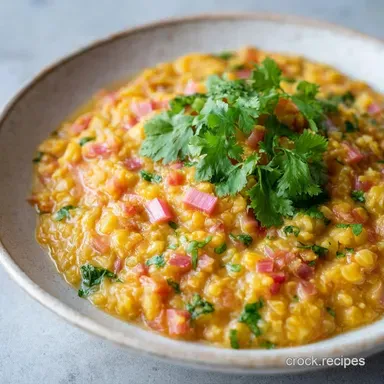
Indian Rhubarb Lentil Dal: Tangy and Creamy
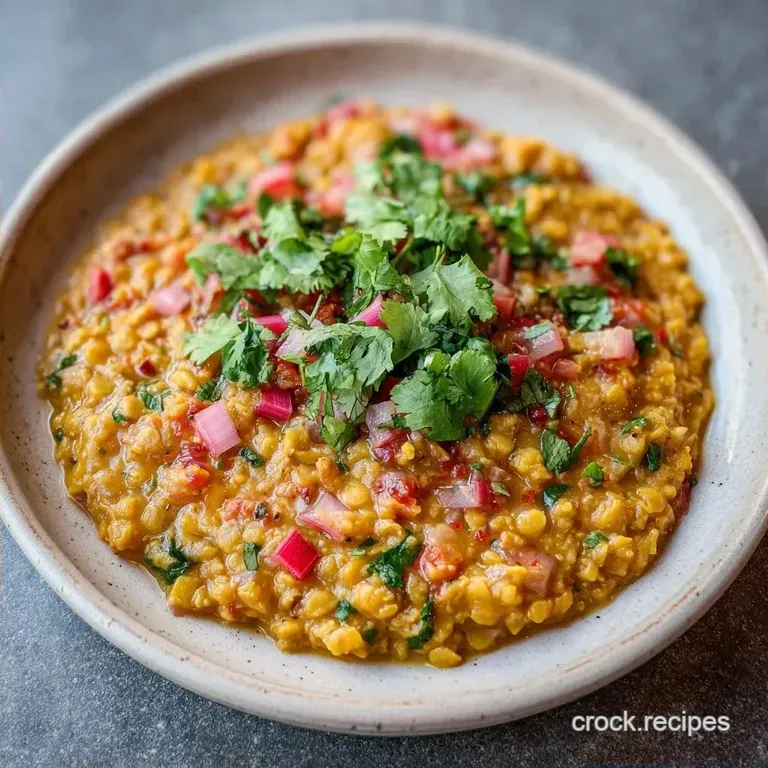
- Time: 15 min active + 15 min cooking
- Flavor/Texture Hook: Tangy, creamy, and aromatic
- Perfect for: Weeknight plant based dinner or meal prep
Rhubarb Lentil Dal: A Tart Twist
Ever wondered why rhubarb only ever shows up in pies or crumbles? I used to think the same, but then I tried it in a savory context. The first time I smelled the tang of rhubarb hitting a hot pan with cumin and ginger, I knew something was happening. It's a weird pairing on paper, but it's a total win on the plate.
This Rhubarb Lentil Dal is all about contrast. You get the earthy, grounding base of the red lentils mixed with the bright, almost electric zing of the rhubarb. It's a plant based dish that doesn't need any fake meat to feel satisfying.
Expect a dish that's creamy but has these little pops of tartness. It's the kind of meal that nourishes you without making you feel sluggish. Plus, it comes together in about 30 minutes, which is basically a miracle for a dal.
Why You'll Love This
If you're tired of the same old lentil recipes, this Rhubarb Lentil Dal brings a fresh energy to the table. Most dals are deep and savory, but this one has a high note brightness that makes it feel lighter. It's great for using up that garden rhubarb that's taking over your backyard.
The contrast is the real draw here. The sweetness of the coconut milk balances the tart stalks, and the earthy turmeric ties it all together. It’s a vibrant, colorful bowl that looks as good as it tastes.
- - The Base
- Earthy and aromatic (cumin, turmeric, ginger).
- - The Body
- Creamy and nourishing (red lentils, coconut milk).
- - The Spark
- Bright and tart (rhubarb, lime).
- - The Finish
- Fresh and herbal (cilantro).
The Quick Recipe Specs
Before we get into the pan, here's the breakdown. This Rhubarb Lentil Dal is designed for speed. Since we're using red lentils, we don't have to soak them for hours, which is a huge win.
| Feature | Detail |
|---|---|
| Prep Time | 15 minutes |
| Cook Time | 15 minutes |
| Total Time | 30 minutes |
| Yield | 4 servings |
| Diet | Vegan, Vegetarian |
I've tried making a version of this in the oven, but the stovetop is where this recipe really shines. Here's why:
| Method | Time | Texture | Best For |
|---|---|---|---|
| Stovetop | 30 min | Creamy & cohesive | Weeknight meals |
| Oven | 60 min | Thicker & concentrated | Meal prep batches |
What You'll Need
For this Rhubarb Lentil Dal, you want ingredients that balance each other out. Don't skip the lime juice at the end, as it wakes up the whole pot.
The Aromatics
- 2 tbsp (30g) gheeWhy this? Adds a nutty depth to the base
- 1 medium (150g) yellow onion, finely diced
- 3 cloves (9g) garlic, minced
- 1 tbsp (15g) fresh ginger, grated
The Spice & Bulk
- 1 tsp (2g) ground turmeric
- 1 tsp (2g) ground cumin
- 1 cup (200g) dried red lentils, rinsedWhy this? They dissolve into a creamier texture than green lentils
- 2 cups (300g) fresh rhubarb, cut into 1/2 inch piecesWhy this? Provides the essential tart contrast
- 3 cups (710ml) vegetable broth
- 1 tsp (6g) sea salt
- 1/4 tsp (1g) cracked black pepper
The Finish
- 1 can (400ml) full fat coconut milkWhy this? Adds the necessary fat to balance the acid
- 1 tbsp (15ml) fresh lime juice
- 1/4 cup (10g) fresh cilantro, chopped
Why the Texture Shifts
Red lentils are high in starch and lack a tough outer skin, which means they break down quickly when simmered. According to Serious Eats, this rapid breakdown is what gives red lentils their characteristic porridge like consistency.
The Right Kitchen Tools
You don't need anything fancy for this Rhubarb Lentil Dal. A simple setup works best.
- Heavy bottomed pot: A Dutch oven or a deep skillet works well so the lentils don't stick to the bottom.
- Fine grater: Use this for the ginger to avoid woody chunks.
- Sharp knife: For dicing the onion and rhubarb consistently.
- Wooden spoon: Perfect for stirring and scraping the bottom of the pot.
Breaking Down Key Steps
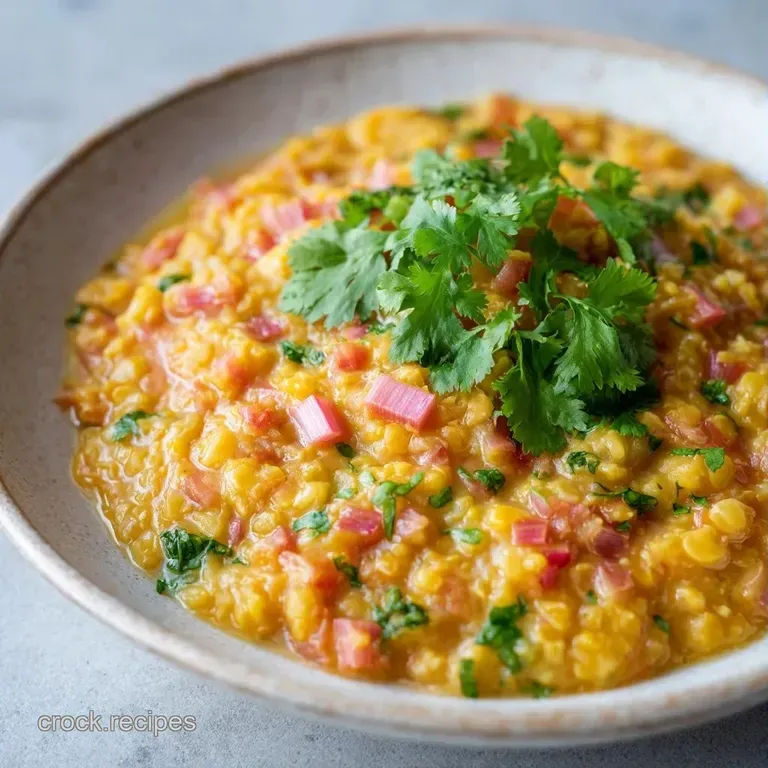
Let's get cooking. The key to a great Rhubarb Lentil Dal is the order of operations. We want to bloom the spices in fat before adding the liquids.
Sauté the Aromatics
Heat the ghee or coconut oil over medium heat. Add the diced onion and sauté until translucent. Stir in the garlic and ginger, cooking for 60 seconds until fragrant. Trust me, don't let the garlic brown too much or it'll turn bitter.
The Spice Bloom
Add the turmeric and cumin, stirring constantly for 30 seconds to bloom the spices. This releases the essential oils and makes the Rhubarb Lentil Dal taste more professional.
The Simmer Phase
Add the rinsed red lentils and the chopped rhubarb to the pot. Stir to coat everything in the spiced oil. Pour in the vegetable broth and add the salt and pepper. Bring it to a boil, then reduce heat to low.
Cover and simmer for 12-15 minutes. You're looking for the lentils to soften into a thick, porridge like consistency. Checkpoint: At 12 minutes, stir the pot; if it's still too watery, simmer for another 3 minutes.
The Final Touch
Stir in the coconut milk and lime juice. Simmer uncovered for an additional 2-3 minutes until thick but pourable. The texture should be silky and smooth.
Remove from heat once the rhubarb is tender but not completely disintegrated. You want some visible pieces of rhubarb left. Garnish with fresh cilantro and serve.
Chef's Note: To deepen the flavor, try adding a pinch of smoked paprika or a teaspoon of maple syrup if your rhubarb is exceptionally tart.
Fixing Common Problems
Even with a simple Rhubarb Lentil Dal, things can go sideways. Usually, it comes down to the ratio of liquid or the age of the rhubarb.
Dal is Too Thick
If your dal looks more like a paste than a stew, you probably simmered it a bit too long. Red lentils absorb water rapidly. Just whisk in a splash of broth or water until it reaches a pourable consistency.
Rhubarb is Too Tart
Depending on the variety, some rhubarb is way more acidic than others. If the dish tastes too sharp, add another tablespoon of coconut milk or a tiny pinch of sugar. This neutralizes the acid without losing the flavor.
Spices Taste Gritty
This happens if the spices didn't bloom in the fat or if you used old, clumpy turmeric. Always stir the spices into the ghee for at least 30 seconds before adding the broth.
| Problem | Root Cause | Solution |
|---|---|---|
| Too Thick | Over simmered | Add 1/4 cup veg broth |
| Too Tart | High acid rhubarb | Add more coconut milk |
| Gritty Taste | Under bloomed spices | Sauté spices longer next time |
Easy Dietary Swaps
This Rhubarb Lentil Dal is naturally vegan if you swap the ghee for coconut oil. But you can tweak it further depending on what you have in the pantry.
Decision Shortcut: - Want more heat? Add 1 tsp of red chili flakes during the spice bloom. - Want a creamier finish? Stir in 2 tbsp of cashew butter at the end.
- Want more greens? Fold in a handful of baby spinach during the last 2 minutes of cooking.
| Original Ingredient | Substitute | Why It Works |
|---|---|---|
| Ghee (2 tbsp) | Coconut Oil (2 tbsp) | Similar fat content; keeps it vegan |
| Veg Broth (3 cups) | Water + 1 tsp salt | Simple alternative; less depth of flavor |
| Red Lentils (1 cup) | Yellow Split Peas | Similar texture; Note: requires much longer cook time |
| Full fat Coconut Milk | Cashew Cream | Same richness; slightly nuttier taste |
If you enjoy the combination of tart fruit and savory spices, you might also like my Savoury Rhubarb Curry which uses a similar flavor profile but a different spice blend.
Storage and Waste Tips
Rhubarb Lentil Dal actually tastes better the next day. The flavors meld together, and the lentils thicken up further.
Refrigeration Store the dal in an airtight container in the fridge for up to 5 days. Since the lentils absorb liquid as they sit, you'll likely need to add a splash of water or broth when reheating.
Freezing This recipe freezes beautifully. Store it in freezer safe bags or containers for up to 3 months. Thaw overnight in the fridge before reheating on the stove.
Reheating Tips Heat the dal over medium low heat. Add a teaspoon of water or a dollop of coconut milk to bring back that creamy texture. Avoid the microwave if you can, as it can create "hot spots" that overcook the lentils.
Zero Waste Tips
- Rhubarb Leaves: Never eat the leaves; they're toxic. Compost them or use them in a compost tea.
- Onion Scraps: Save the onion skins and ginger peels in a freezer bag to make your own vegetable broth.
- Leftover Dal: Use any remaining Rhubarb Lentil Dal as a thick spread on toasted sourdough or as a base for a grain bowl with quinoa.
The Best Side Pairs
Because this Rhubarb Lentil Dal is so creamy and tart, you want sides that provide texture or a neutral balance.
The Classics Basmati rice is the obvious choice. The fluffy grains soak up the sauce perfectly. If you want something different, try toasted naan or paratha. The charred bubbles of the bread contrast beautifully with the soft dal.
Fresh Sides A simple cucumber and tomato salad with a lemon mint dressing cuts through the richness of the coconut milk. , try some roasted cauliflower with cumin.
Main Dish Pairings If you're serving this as a side, it pairs well with a plant based protein. If you're looking for something with meat, this dal works surprisingly well alongside a One Pot Lentil Chicken for a double lentil feast.
Tackling Dish Myths
There are a few things people get wrong when making dals like this Rhubarb Lentil Dal.
Myth: You must soak red lentils. Actually, you don't. Unlike chickpeas or kidney beans, red lentils are processed to remove the hull, meaning they cook in a fraction of the time. A quick rinse is all you need.
Myth: Rhubarb only works in desserts. Wrong. Rhubarb is essentially a vegetable. Its acidity is very similar to tamarind or lime, which are staples in Indian cooking. Using it in a Rhubarb Lentil Dal is just a smarter way to get that brightness.
Myth: Ghee is the only way to get the flavor. While ghee adds a specific toasted note, coconut oil or a neutral oil like avocado oil works just fine. The flavor comes more from the spices and the rhubarb than the fat source.
High in Sodium
825 mg 825 mg of sodium per serving (36% 36% of daily value)
The American Heart Association recommends a daily sodium limit of 2,300mg to reduce the risk of heart disease and hypertension.
Tips to Reduce Sodium
-
Swap the Broth-30%
Replace the vegetable broth with a low-sodium or no-salt added version to significantly lower the base sodium level.
-
Limit Added Salt-25%
Reduce the 1 tsp of sea salt by half or omit it completely, as the broth already provides significant sodium.
-
Increase Acidity-10%
Add an extra squeeze of fresh lime juice to enhance the flavors, which helps the palate perceive saltiness without adding sodium.
-
Maximize Fresh Aromatics
Increase the amount of fresh cilantro, ginger, and garlic to build a complex flavor profile that reduces the need for salt.
Recipe FAQs
Can I use rhubarb in savory dishes instead of pies?
Yes, its tartness works perfectly in savory contexts. The acidity cuts through the richness of coconut milk and ghee. If you enjoy this tart balance, see how we use a similar acid technique in our rhubarb jam.
How to keep the rhubarb from completely disintegrating in the dal?
Remove the pot from heat as soon as the rhubarb is tender. Overcooking the pieces will turn them into a mushy paste rather than distinct, tender chunks.
Does rhubarb pair well with savory ingredients like lentils and coconut milk?
Yes, it creates a sophisticated sweet and-sour profile. The creaminess of the coconut milk balances the sharp acidity of the rhubarb, mimicking the effect of tamarind in traditional dals.
How to make the dal thicker if it is too runny?
Simmer uncovered for an additional 2-3 minutes. This allows excess moisture to evaporate while the red lentils continue to release starches to thicken the base.
Is it true that rhubarb must be sweetened to taste good?
No, this is a common misconception. Rhubarb's natural tartness acts as a flavor enhancer in savory dishes, providing a brightness that replaces the need for excess lime juice or vinegar.
How to store and reheat the leftovers?
Keep it in an airtight container in the fridge for up to 5 days. Since red lentils absorb liquid over time, stir in a splash of vegetable broth when reheating over medium low heat.
Can I use different lentils for this recipe?
Stick with red lentils for the best texture. Red lentils break down into a porridge like consistency that complements the soft rhubarb, whereas other varieties would remain too firm.
Savory Rhubarb Lentil Dal