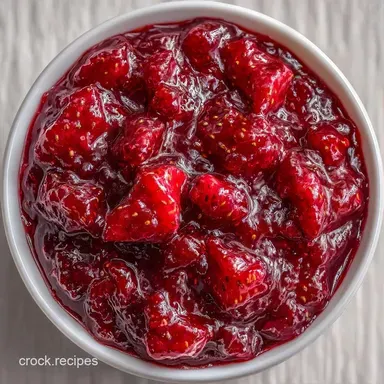
Strawberry Rhubarb Jam: Tart and Bright
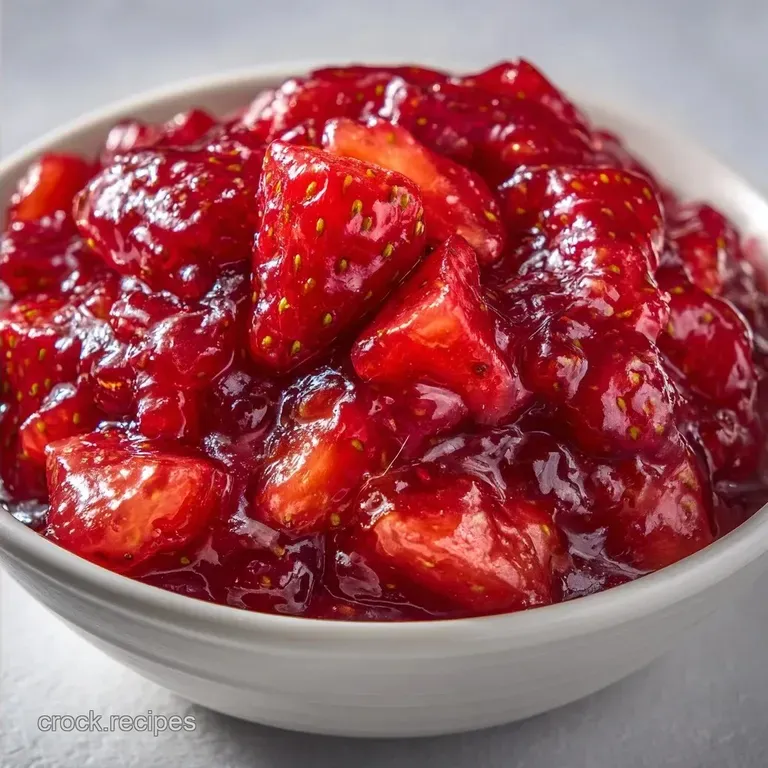
- Time: 20 min active + 20 min cook
- Flavor/Texture Hook: Tart, bright, and slightly chunky
- Perfect for: Spring brunch or homemade gifts
The smell of simmering rhubarb always reminds me of my grandmother's kitchen in late April. It's that specific, tart aroma that cuts through the sweetness of the strawberries, filling the whole house with a scent that just screams "spring is here." I remember the first time I tried making this, I didn't use enough lemon juice and the color looked a bit dull.
Now, I always make sure that citrus hit is there to keep the red vibrant.
This Strawberry Rhubarb Jam is all about that contrast. You get the sunshine of the strawberries and the moody, sharp edge of the rhubarb. It's a satisfying combination that works on everything from a toasted bagel to a piece of sharp cheddar cheese.
If you're looking for a hearty spread that doesn't taste like candy, this is it. We're keeping the fruit chunks substantial so you can actually see what's in the jar. It's a comforting, rustic preserve that feels like it belongs at a farmers market.
Making Easy Strawberry Rhubarb Jam
The reason this sets right comes down to a few simple interactions. It's not magic, just a bit of kitchen logic.
The Acid Hit: Lemon juice isn't just for flavor. It helps the pectin bond together, which is what gives the jam its structure.
Sugar Ratio: Sugar acts as a preservative and helps the fruit release its water. Without enough of it, the jam won't gel properly.
Pectin Timing: Adding the pectin at the boil prevents it from clumping. It ensures the texture stays smooth rather than grainy.
There are two main ways to approach this. Some people prefer the long haul method without pectin, while others want the fast version.
| Method | Time | Texture | Best For |
|---|---|---|---|
| Pectin Based | 50 mins | Glossy, consistent | Quick batches, beginners |
| Slow Reduction | 3-5 hours | Thick, caramelized | Deep flavor, no additives |
The pectin method is my go to because it keeps the fruit tasting fresh. When you boil fruit for hours, you lose that bright, raw berry punch.
The Core Ingredients
Every part of this recipe has a job. If you pull one piece out, the whole thing changes.
| Ingredient | What It Does | Best Swap |
|---|---|---|
| Rhubarb | Provides tartness and structure | Tart Granny Smith apples |
| Strawberries | Adds sweetness and color | Raspberries (adds more seeds) |
| Lemon Juice | Sets the pectin and brightens color | Citric acid powder |
| Pectin | Creates the gel network | Apple pectin (needs more sugar) |
Since this is a fruit heavy recipe, you can easily adjust the ratio. If you like it more sour, throw in an extra half cup of rhubarb. Just remember that according to the USDA FoodData, strawberries and rhubarb have different water contents, so don't go too wild with the swaps or it might stay runny.
The Building Blocks
Here is everything you'll need to get this on the stove.
- 4 cups (600g) fresh strawberries, hulled and quartered Why this? Quartered pieces hold their shape better
- 3 cups (450g) rhubarb, sliced into 1/2 inch pieces Why this? Standard size for even cooking
- 1/4 cup (60ml) fresh lemon juice Why this? Fresh is more potent than bottled
- 2 cups (400g) granulated sugar Why this? Standard for pectin activation
- 1 box (57g) powdered fruit pectin Why this? Ensures a reliable set every time
- 1/2 tsp (3g) butter Why this? Stops the jam from foaming over
If you're out of fresh berries, you can use Strawberry Rhubarb Jam with frozen fruit. Just thaw them first and drain about a quarter of the excess liquid so the jam isn't too watery.
Essential Kitchen Tools
You don't need a professional lab, but a few things make this way easier. A heavy bottomed pot is a must. Thin pots create hot spots that burn the sugar, leaving you with a bitter aftertaste.
I suggest using a wide pan if you have one. More surface area means more evaporation, which helps the jam reach that 220°F mark faster. You'll also want an instant read thermometer. Guessing the "set point" is how most people end up with strawberry syrup instead of jam.
Finally, have your sterilized jars ready. You don't want to be scrubbing jars while your jam is overcooking on the stove.
Step by step Process
Let's get into it. Keep an eye on those aroma cues, they tell you more than the clock does.
- Combine the quartered strawberries and sliced rhubarb in a large heavy bottomed pot.
- Stir in the lemon juice. Note: Let this sit for 10 minutes. This lets the acid penetrate the fruit and draw out the juices.
- Stir in the granulated sugar and butter.
- Turn the heat to medium high and stir constantly. Do this until the sugar is completely dissolved and the mixture smells like a warm fruit compote.
- Bring the mixture to a rolling boil. It should be bubbling aggressively.
- Quickly whisk in the powdered fruit pectin. Note: Move fast to avoid clumps.
- Maintain a hard boil for 1-3 minutes. Watch for a thick, glossy bubble that doesn't pop immediately.
- Monitor with your thermometer until the jam reaches exactly 220°F (104°C).
- Remove from heat immediately.
- Ladle the jam into 6 sterilized half pint mason jars, leaving about 1/4 inch of headspace, then seal.
Chef's Note: If you see too much foam on top, just skim it off with a spoon before jarring. The butter helps, but some fruit naturally foams.
Solving Jam Set Issues
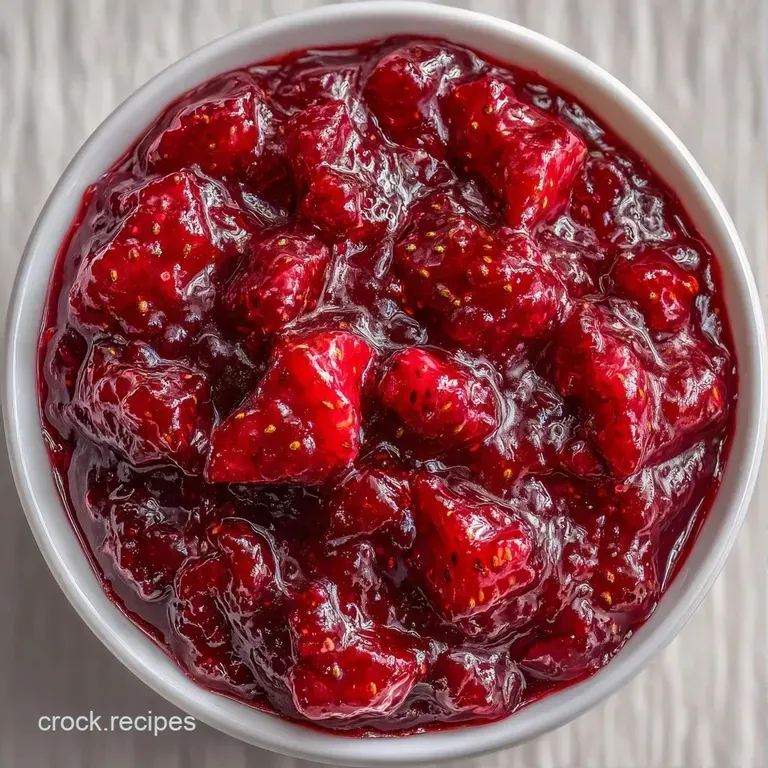
It's frustrating when you open a jar and it's more like a sauce. Usually, it's a temperature or acid issue.
Why Your Jam Is Runny
If it didn't hit 220°F, it won't set. Even a few degrees can make a difference. Also, using overripe fruit can sometimes lower the natural pectin levels.
Stopping the Foam Top
Foam happens when proteins and sugars trap air. The butter I added to the recipe breaks the surface tension. If you still have foam, a tiny knob of butter stirred in at the end usually kills it.
The Cold Plate Test
If you don't have a thermometer, put a few small plates in the freezer. Drop a spoonful of hot jam on a cold plate. Let it sit for 30 seconds, then push it with your finger. If it wrinkles, it's set.
| Problem | Root Cause | Solution |
|---|---|---|
| Runny Texture | Didn't reach 220°F | Re boil with a pinch more pectin |
| Grainy Texture | Sugar didn't dissolve | Stir more thoroughly before boiling |
| Dull Color | Not enough acid | Add 1 tsp lemon juice per cup |
Flavor Twists and Swaps
This Strawberry Rhubarb Jam is a great base, but you can definitely play with the flavor.
- The Vanilla Bean Upgrade: Scrape one vanilla bean into the pot during step 3. It adds a creamy, floral note that rounds out the tartness.
- The Honey Alternative: You can swap half the sugar for honey. Note: This will make the jam softer and slightly more floral.
- The Freezer Jam Version: Skip the boiling and the pectin. Macerate the fruit with sugar for 24 hours, then freeze in jars. It's less stable but tastes like raw fruit.
If you love these flavors, you might also enjoy my Strawberry Cheesecake Ice Cream for a dessert that hits those same sweet tart notes.
Adjusting the Batch Size
You don't always need six jars. Here is how to scale it.
Scaling Down (Half Batch): Use a smaller pot so the liquid doesn't evaporate too quickly. Reduce the cook time by about 20%. Since you're using half the pectin, be very precise with your measurements, even a teaspoon off can ruin the set.
Scaling Up (Double Batch): Do not just double the sugar and pectin in one pot. The weight of the fruit can prevent the bottom from heating evenly, and it takes much longer to reach a boil. I recommend working in two separate batches.
If you insist on one big pot, lower the heat slightly and stir more often to prevent the bottom from scorching.
Jam Myths
There are a few things people say about preserves that just aren't true.
"Pectin is an artificial additive." Not at all. Pectin is a natural fiber found in the cell walls of fruits. Powdered pectin is just concentrated from citrus peels or apples to make the process faster.
"You must boil jam for an hour to make it safe." Wrong. Safety comes from the acidity (lemon juice) and the sugar, plus the sterilization of the jars. Over boiling just destroys the fresh fruit flavor and turns the jam a dark, brownish red.
Saving Your Jam Long Term
Keep your jars in a cool, dark place. In the fridge, this Strawberry Rhubarb Jam stays fresh for about 3 weeks. If you've processed them in a water bath, they'll last a year in the pantry.
For the freezer, leave a bit more headspace in the jar so the jam doesn't crack the glass as it expands. Freezer jam lasts about 6 months.
As for zero waste, don't throw away the strawberry hulls! If you have a lot, you can dry them out and steep them in hot water for a very light, fruity tea. Just be careful with the rhubarb leaves, they contain oxalic acid and aren't safe to eat, so toss those straight into the compost bin.
Best Ways to Serve
The most obvious choice is toast, but let's get more creative. This jam is an incredible topping for a slice of warm pound cake. I also love swirling it into a bowl of plain Greek yogurt with some granola for breakfast.
For something a bit more fancy, try it as a filling for thumbprint cookies. The tartness of the rhubarb balances the buttery dough perfectly. If you're feeling indulgent, a dollop of homemade whipped cream on top of a toasted biscuit with this jam is a total winner.
You can even use it as a glaze for roasted carrots or a topping for a grilled cheese sandwich with brie. The velvety texture of the melted cheese and the zing of the jam is a combination you can't beat.
Recipe FAQs
Does rhubarb have enough pectin to make jam?
No, it does not. Rhubarb is naturally low in pectin, which is why this recipe requires added powdered fruit pectin to ensure a proper set.
Does strawberry rhubarb jam need pectin?
Yes, it is necessary. Without it, the high water content of the strawberries and rhubarb would result in a runny syrup rather than a thick jam.
How to make rhubarb and strawberry jam?
Simmer sliced rhubarb and quartered strawberries with lemon juice, sugar, and butter. Bring the mixture to a rolling boil, whisk in pectin, and maintain a hard boil until it reaches exactly 220°F.
What can I make with rhubarb besides pie?
Try making jams, compotes, or crumbles. If you enjoyed the tangy balance in this jam, the same principle of using acid to brighten flavors is used in our creamy cucumber salad.
What sweet flavours pair well with rhubarb?
Strawberries, raspberries, and peaches work best. These fruits provide a natural sweetness that offsets the sharp, tart profile of the rhubarb.
Why does the jam need to reach 220°F?
This is the precise gel point. At this temperature, the pectin bonds and the sugar concentrates enough to create a stable, spreadable consistency.
Can I skip the butter in this recipe?
Yes, you can. The butter is primarily used to reduce foaming during the hard boil, but the jam will still set perfectly without it.
Strawberry Rhubarb Jam in 50 Minutes