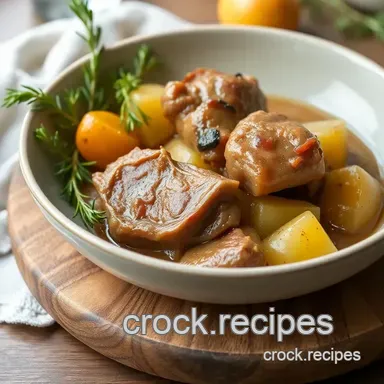
Rustic Simmered Duck with Cabbage & Potatoes
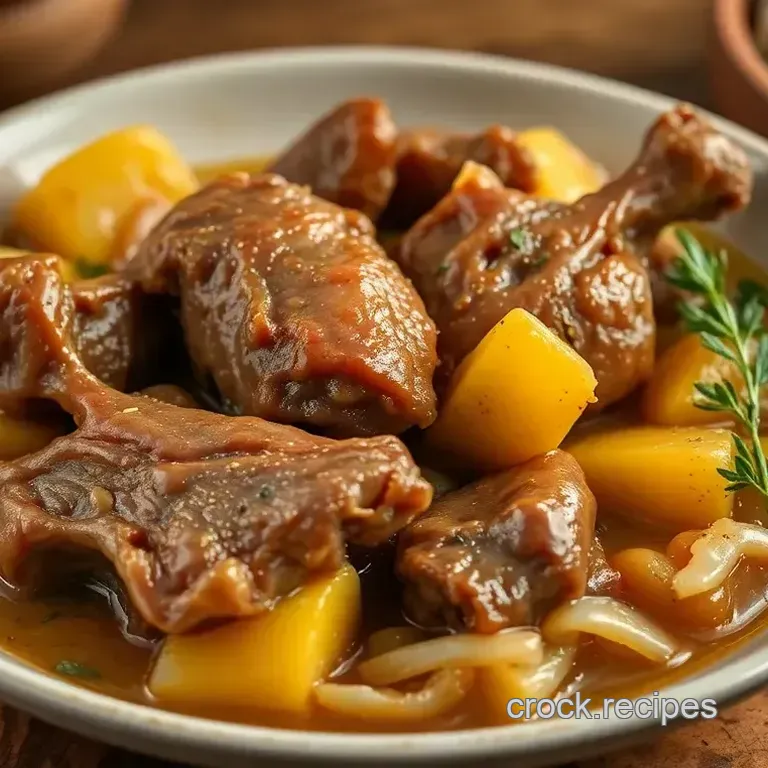
- Time: 15 min active + 75 min cooking
- Flavor/Texture Hook: Mahogany crispy skin and buttery potatoes
- Perfect for: Cold weather dinner or a comforting Sunday meal
Ever wondered why some braises taste like a thin soup while others feel like a thick, rich glaze? I once tried to braise a whole bird for a dinner party, but I ended up with rubbery skin and potatoes that had dissolved into a tasteless porridge. It was a total disaster, and I spent the night apologizing to my guests.
That failure taught me that the order of operations is everything. You can't just throw everything in a pot and hope for the best. This Simmered Duck recipe focuses on building flavor in stages, starting with a cold pan to get the fat rendering just right.
You can expect a dish that smells like a rustic French kitchen, with the scent of thyme and caramelized onions filling the house. It's hearty, satisfying, and doesn't require a dozen different pans to clean up.
Why This Actually Works
- Cold Pan Start: Starting the duck in a cold pot allows the fat to melt slowly. This prevents the skin from toughening and creates a base of liquid gold for the vegetables.
- The Deglaze: Using white wine to scrape up the brown bits makes Simmered Duck savory. Those caramelized proteins are what give the sauce its depth.
- Potato Choice: Yukon Golds hold their shape better than Russets. They absorb the duck fat without turning into mush.
| Method | Time | Texture | Best For |
|---|---|---|---|
| Fresh Braise | 90 mins | Tender & Crispy | Sunday Dinner |
| Pressure Cooker | 40 mins | Very Soft | Weeknight Meal |
| Slow Cooker | 6 hours | Fall apart | Set and Forget |
The Building Blocks
The quality of your duck legs determines the final result. I prefer skin on legs because the fat is what flavors the Cabbage & Potatoes. If you use lean meat, the dish will lack that signature richness.
Recipe Specs
| Component | Role | Substitution Tips |
|---|---|---|
| Duck Legs | Primary protein and fat source | Goose legs work similarly |
| Yukon Gold Potatoes | Hearty starch | Red potatoes (retain their shape) |
| Green Cabbage | Earthy, sweet balance | Savoy cabbage (more delicate) |
| White Wine | Acidity to cut through richness | Dry vermouth or additional stock |
The Main Ingredients
- 4 duck legs, skin on (approx. 1 lb / 450g each) Why this? The skin renders the fat needed for the Simmered Duck base
- 1 tsp kosher salt
- 1/2 tsp cracked black pepper
- 1 lb Yukon Gold potatoes, cut into 2 inch chunks Why this? Medium starch prevents them from breaking down
- 1/2 head green cabbage, cut into thick wedges (approx. 1 lb / 450g)
- 1 large yellow onion, diced (150g)
- 3 cloves garlic, smashed (15g)
- 2 tbsp unsalted butter (30g)
- 1 1/2 cups chicken stock (350ml)
- 1/4 cup dry white wine (60ml)
- 1 tbsp apple cider vinegar (15ml)
- 2 sprigs fresh thyme
- 1 bay leaf
Easy Substitutes
- Chicken Stock → Beef stock (creates a heavier flavor)
- White Wine → Apple juice + lemon (for a sweeter profile)
- Thyme → Rosemary (more pungent and bold)
Equipment Needed
A heavy-bottomed pot is essential for this dish. A Dutch oven is the ideal choice because it ensures heat is distributed evenly; in a thinner pot, the duck skin may burn before the fat has a chance to render.
I also recommend using a wooden spoon for deglazing. Metal utensils can scratch your pot's enamel, and you'll want a smooth surface to scrape up every bit of flavor from the bottom.
How to Make It
Phase 1: Rendering and Searing
- Use paper towels to pat the Simmered Duck legs completely dry. Season them well with salt and pepper. Note: Dry skin equals crispier skin
- Place the duck legs skin side down in a cold Dutch oven, then turn the heat to medium.
- Sear for 8-12 minutes without disturbing them until the skin is a deep mahogany color and crispy.
- Flip and sear for another 3-5 minutes. Transfer the duck to a plate, leaving about 3 tbsp (45g) of duck fat in the pot.
Phase 2: Building the Flavor Base
- Add the diced onion to the remaining fat. Sauté over medium heat until translucent and beginning to brown (about 5 minutes).
- Stir in the smashed garlic and cook for 1 minute until aromatic.
- Add the cabbage wedges and potato chunks. Toss to coat in the fat and sear until the edges of the cabbage are charred and the potatoes have developed a golden crust.
- Pour in the white wine, scraping the bottom of the pot with a wooden spoon to release the browned bits.
Phase 3: The Simmer
- Pour in the stock and apple cider vinegar. Nestle the Simmered Duck back into the pot, skin side UP.
- Add the bay leaf and thyme sprigs.
- Cover with a tight-fitting lid, lower the heat, and gently simmer the Simmered Duck for 50-60 minutes.
Phase 4: The Finishing Touch
- Remove the lid. If the sauce is too thin, take out the duck and vegetables and boil the liquid on high for 5 minutes to reduce.
- Taste the sauce and add a final pinch of pepper or salt if needed. Optionally, place the pot under a broiler for 2-3 minutes for a shattering crust.
How to Fix Common Problems
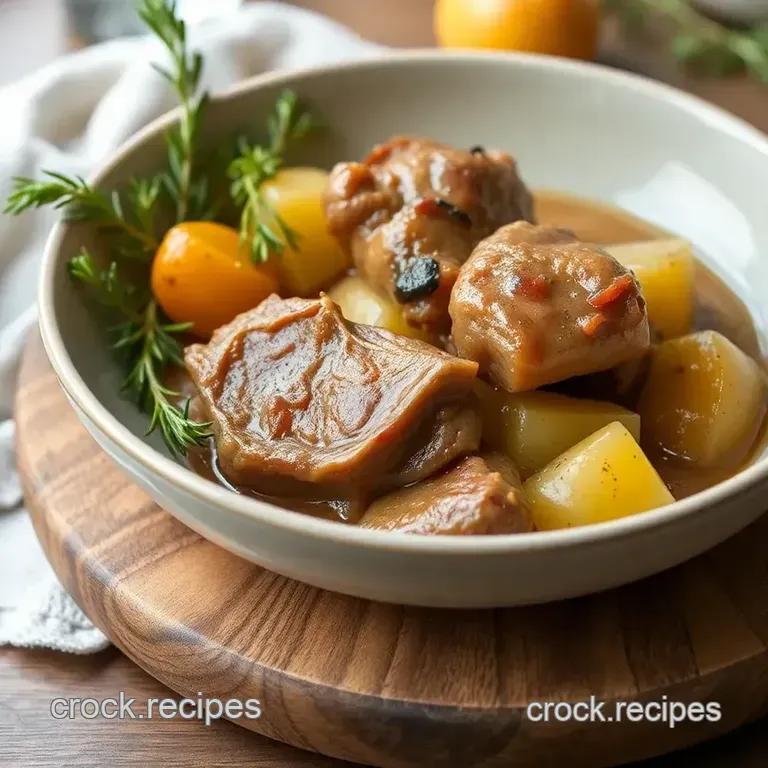
Simmered Duck naturally releases a significant amount of fat. While this is typical for the bird, it can leave the sauce feeling greasy if left unchecked. You want a luscious glaze rather than a pool of oil.
Fixing Greasy Sauce
If a heavy layer of oil settles on the surface of your Simmered Duck sauce, don't worry. Simply tip the pot a bit and skim away the extra fat with a large spoon. Store this liquid gold in a jar to roast potatoes later.
Solving Tough Meat
If the meat seems rubbery or resistant, the heat was likely too high or the cooking time too short. Cover the pot and allow it to simmer for 15 more minutes. The connective tissues require a slow, gentle heat to fully soften.
| Problem | Root Cause | Solution |
|---|---|---|
| Greasy Liquid | Excessive rendered Simmered Duck fat | Skim the top with a spoon |
| Mushy Potatoes | Incorrect variety or overcooking | Use Yukon Gold; check at 50 mins |
| Tough Meat | High heat causing Simmered Duck toughness | Reduce heat and increase cooking time |
Adjusting the Portion Size
Adjusting the scale of Simmered Duck involves modifying your pot choice and liquid proportions. Simple multiplication doesn't always work, particularly when it comes to the reduction.
When preparing Simmered Duck for two people, a smaller vessel prevents the liquid from evaporating too rapidly. Lower the stock amount by 10% and shorten the cooking duration by roughly 20 minutes, as the pot fills more quickly.
To make a larger quantity for a group, brown the legs in smaller groups. Overfilling the pan prevents proper searing and results in steamed meat, costing you that deep mahogany crust. For 8 legs, multiply the salt and pepper by 1.5, while limiting the liquid to 1.8x to ensure the sauce stays thick.
| Ingredient Level | Suggestion | Impact |
|---|---|---|
| Premium Duck | Moulard Duck | More fat, richer flavor |
| Budget Duck | Standard Pekin | Leaner, needs more butter |
| Shortcut Stock | store-bought broth | Less body in the sauce |
Freezing and Reheating Guide
Simmered Duck often tastes even better the following day. The seasonings meld together, and the potatoes absorb more of the savory braising liquid.
Keep the dish refrigerated in glass jars for a maximum of 3 days. When reheating, warm it in a pan on a medium-low setting, adding a bit of stock or water to keep the meat moist.
If freezing, take out the potatoes first, as they can become grainy. Store the duck and cabbage in freezer-ready bags for 3 months. Let the meat defrost in the fridge overnight, then heat it in the oven at 325°F until warmed through.
To minimize waste, save the bones. Simmer them with celery and carrots to create a hearty Turkey Stock style base for your next stew.
Flavor Variations to Try
You can easily tweak Simmered Duck to fit the season or your mood. The base of fat, acid, and salt is very flexible.
For a wintery Simmered Duck, swap the white wine for a dry red like Pinot Noir. Add a pinch of cinnamon or a few dried prunes to the pot during the simmer. This gives it a deep, earthy sweetness that feels like a warm hug.
If you want a spicy Simmered Duck, add a tablespoon of smoked paprika to the onions and two sliced bird's eye chilies to the braise. The heat cuts through the richness of the duck fat.
For those wanting a lighter meal, you can serve a smaller portion of this and pair it with a side of Homemade Chicken Noodle Soup for a complete, comforting spread.
Perfect Complements
When you serve Simmered Duck, you want something to balance the heavy fats. The Cabbage & Potatoes are already in the pot, but a few extra additions make it a full feast.
The classic Simmered Duck pairing is a crusty sourdough baguette. Use it to mop up every drop of the velvety sauce from the plate. A side of steamed green beans with lemon also adds a fresh, snappy contrast to the tender meat.
If you're feeling fancy, a dollop of cranberry sauce or a few sliced pears on the side adds a tart sweetness that brightens the whole dish.
Right then, you've got everything you need for a Simmered Duck dinner. It's a bit of a process, but the result is a hearty Simmered Duck feast that feels way more expensive than it actually is. Trust me, your kitchen will smell incredible. Get that pot ready and enjoy your Simmered Duck tonight.
High in Sodium
840 mg 840 mg of sodium per serving (37% 37% of daily value)
The American Heart Association recommends a daily sodium limit of 2,300 mg, with an ideal limit of 1,500 mg for most adults to reduce the risk of cardiovascular disease.
Tips to Reduce Sodium
-
Switch Your Stock-30%
Replace the standard chicken stock with low-sodium or no-salt-added chicken stock to significantly reduce hidden salt.
-
Limit Added Salt-25%
Reduce the kosher salt by half or omit it entirely; the duck and stock already provide a baseline of salinity.
-
Enhance Acidity-10%
Slightly increase the apple cider vinegar or add a squeeze of fresh lemon juice to mimic the 'bite' of salt.
-
Boost Aromatics
Increase the amount of fresh thyme and garlic to add depth and flavor complexity without increasing sodium levels.
Recipe FAQs
Why does my duck skin often turn out rubbery instead of crispy?
Start the legs in a cold pot to render the fat slowly. This process ensures the skin becomes mahogany-colored and crispy rather than tough.
What vegetables pair best with this simmered duck?
Cabbage wedges and Yukon Gold potatoes are the best choices. These specific vegetables absorb the rendered fat without losing their structure.
Is it true that duck legs must be roasted to achieve tender meat?
False. Simmering the legs for 50-60 minutes on low heat makes the meat tender enough to fall off the bone.
How do I keep the potatoes from turning into mush?
Cut the potatoes into large 2-inch chunks. Searing them first creates a protective golden crust that maintains their shape during the braise.
Can I make the sauce feel more velvety?
Whisk in a tablespoon of butter before serving. If you enjoyed mastering this rich consistency, see how the same principle works in our white sauce.
Simmered Duck: One-Pot and Tender