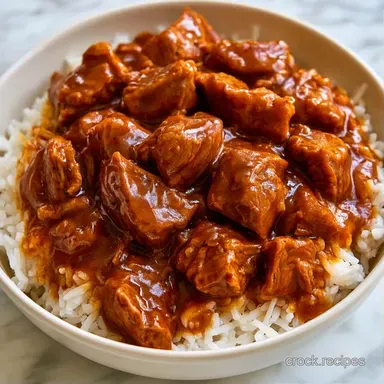
Slow Cooker Beef Rice Bowls with Chuck Roast
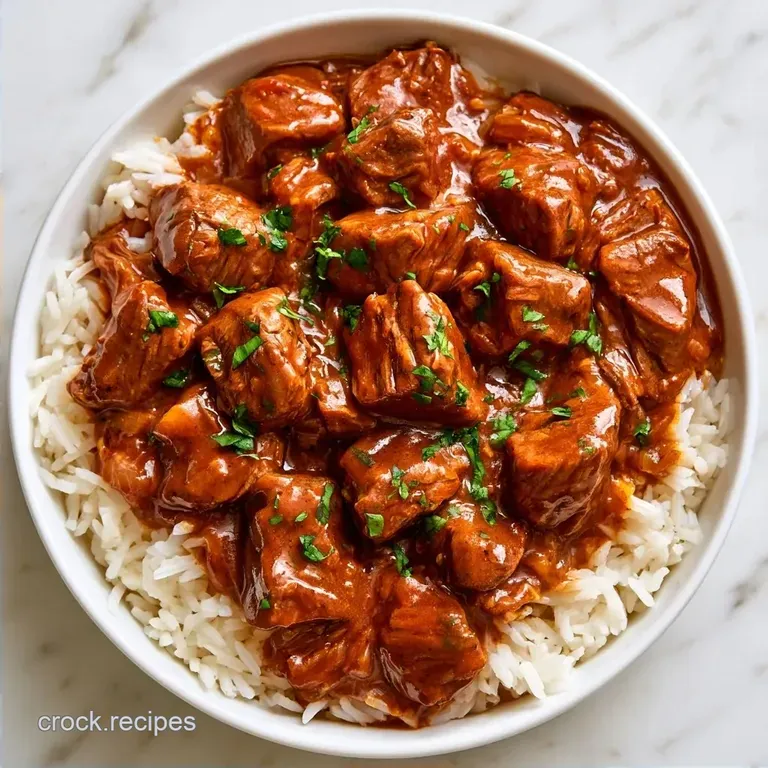
- Time: 15 min prep + 8 hrs slow cooking
- Flavor/Texture Hook: Deeply browned beef coated in a shimmering, salty-sweet sauce
- Perfect for: Easy weekday meals or batch cooking for the family
- Easy Slow Cooker Beef Rice Bowls
- How the Texture Happens
- Ingredient Deep Dive
- Essential Kitchen Tools
- The Cooking Process
- What Nobody Tells You
- What Can Go Wrong (and How to Fix It)
- Adjusting the Portion Size
- Common Kitchen Misconceptions
- Storage & Reheating
- Flavor Variations to Try
- How to Serve and Enjoy
- Recipe FAQs
- 📝 Recipe Card
Easy Slow Cooker Beef Rice Bowls
I love the sound of beef hitting a scorching pan. That aggressive sizzle is the key to proper browning, which is where those deep, savory flavors are developed. If you simply place raw meat in a slow cooker, you'll end up with a gray, boiled texture that doesn't quite hit the mark for comfort food.
I first started making these beef and rice bowls on rainy Tuesdays when the drive home felt endless. Returning to a home filled with the aroma of soy and ginger is the perfect way to decompress. It's a simple set-and-forget process that makes a hectic evening feel much more manageable.
The result is a rich, savory beef base that perfectly complements a bed of buttery rice. It's a satisfying, hearty meal that feels like a warm embrace, without the hassle of hovering over a stove for hours.
How the Texture Happens
The Collagen Shift: Beef chuck is rich in connective tissue. Slow cooking it for 8 hours converts that collagen into gelatin, which ensures the meat becomes tender and the sauce thickens.
The Browning Boost: Searing the beef first develops those dark, caramelized edges on the surface. This creates a complex richness that simply isn't possible through simmering alone.
The Starch Finish: Adding a cornstarch slurry at the end transforms the thin braising liquid into a glossy glaze that clings perfectly to the beef.
| Method | Prep Time | Texture | Best For |
|---|---|---|---|
| Fresh Sear | 25 mins | Rich, mahogany crust | Maximum flavor |
| Raw Start | 10 mins | Softer, braised feel | Absolute speed |
If you love these slow simmered comfort dishes, you might also enjoy my Beef Stroganoff recipe, which follows a similar low and slow process to achieve a creamy finish.
Ingredient Deep Dive
| Ingredient | Role | If You Don't Have It |
|---|---|---|
| Beef Chuck Roast | Offers depth and a tender texture | Stew meat (suitable) |
| Soy Sauce | Supplies salt and a savory punch | Tamari or Coconut Aminos |
| Brown Sugar | Offsets the salt with sweetness | Honey or Maple Syrup |
| Cornstarch | Used to thicken the sauce | Flour (use 2x the amount) |
The Beef and Sauce
- 3 lbs beef chuck roast, cut into 2 inch cubes Why this? The fat and collagen ensure a tender result
- 1 tbsp olive oil
- 1 medium yellow onion, chopped
- 4 minced garlic cloves
- 1 tsp salt
- 1/2 tsp ground black pepper
- 1 cup low sodium beef broth
- 1/4 cup soy sauce Why this? Provides the necessary savory, salty foundation
- 3 tbsp brown sugar
- 1 tbsp Worcestershire sauce
- 1 tsp ground ginger
The Thickener and Base
- 2 tbsp cornstarch
- 2 tbsp water
- 3 cups uncooked long grain white rice
- 2 tbsp butter
- 3 green onion stalks, sliced
- 1 tbsp sesame seeds, toasted
| Original Ingredient | Substitute | Why It Works |
|---|---|---|
| Brown Sugar | Honey | Comparable sweetness. Note: Creates a slightly stickier sauce |
| White Rice | Jasmine Rice | Comparable texture. Note: Adds a floral aroma to the dish |
| Beef Broth | Water + 1 tsp salt | Replaces the liquid. Note: Lacks the rich beefy flavor |
Essential Kitchen Tools
The Big Gear
You'll need a standard slow cooker (6 quart is best) to hold the beef and liquid without overflowing. A heavy bottomed skillet, like cast iron, is what I use for the searing process because it holds heat better and prevents the beef from steaming.
The Small Stuff
Have a small bowl ready for the cornstarch slurry and a whisk to get the lumps out. For the rice, a standard pot or rice cooker works, but make sure you have a good fork or paddle to fluff the grains once they're done.
The Cooking Process
1. The Flavor Foundation
Get some olive oil hot in a pan over medium high heat. Brown the beef chunks in small groups until they develop a dark, mahogany colored crust. Give the meat plenty of space so it sears properly rather than steaming in its own juices.
Move the beef and any rendered drippings into the slow cooker.
2. Adding the Aromatics
Toss the diced onion, minced garlic, salt, and pepper into the pot. Pour in the beef broth, soy sauce, brown sugar, Worcestershire sauce, and ginger. Stir gently to combine everything.
3. The Long Simmer
Set the slow cooker to LOW for 8 hours (or HIGH for 4 hours). The beef is done when it yields easily to a fork and the liquid has reduced. Trust me, the low setting produces a better texture.
4. The Glossy Finish
Mix the cornstarch and water in a small bowl until smooth. Blend this mixture into the slow cooker for the final 30 minutes of cooking. This will cause the sauce to bubble and thicken into a rich glaze.
5. Preparing the Base
Cook the rice according to package instructions. While the rice is hot, stir in 2 tbsp of butter. This keeps the grains separate and adds a rich flavor that balances the salty beef.
6. The Final Assembly
Spoon a generous portion of buttery rice into bowls. Top with the saucy beef, freshly cut green onions, and toasted sesame seeds.
What Nobody Tells You
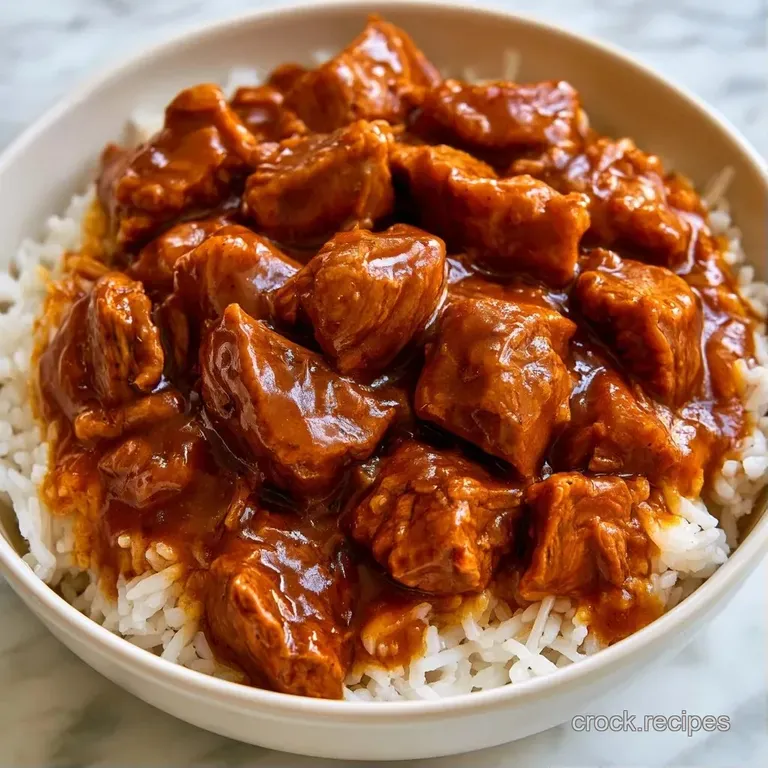
Many assume searing meat is only for the sake of color, but it actually creates entirely new flavor molecules. As Serious Eats explains, browning the meat produces a level of complexity that you simply cannot get from simmering.
It is also important to remember that "low and slow" is a necessity, not just a suggestion. Rushing the process with high heat can cause muscle fibers to contract and release their moisture, resulting in beef with a rubbery consistency.
Chef's Note: To enhance the richness, stir in one teaspoon of instant espresso powder. This won't give the sauce a coffee flavor; rather, it makes the beef taste more intense and look darker.
What Can Go Wrong (and How to Fix It)
The Beef is Tough
If the meat isn't shredding, it usually means the collagen hasn't fully broken down. This happens if the roast was a bit leaner than expected or the temperature was too low. Just give it another hour on low.
The Sauce is Too Thin
Sometimes the slurry doesn't thicken enough if the heat wasn't high enough at the end. You can whisk a bit more cornstarch and water together and stir it in, but let it cook for another 15 minutes.
The Rice is Mushy
Overcooking rice or adding too much water is the usual culprit here. If it happens, try adding a splash of rice vinegar to the rice to brighten it up and cut through the starchiness.
| Problem | Root Cause | Solution |
|---|---|---|
| Rubbery Beef | Cooked too fast on high | Simmer on low for 2 more hours |
| Oversalted Sauce | Too much soy sauce | Add a splash of water or a pinch of sugar |
| Grainy Glaze | Cornstarch wasn't mixed | Whisk slurry thoroughly before adding |
Adjusting the Portion Size
Making a Smaller Batch
If you're only cooking for two, cut the beef and liquids by half. Use a smaller slow cooker if you have one, as too much headspace in a large pot can cause the liquid to evaporate too quickly. Reduce the cook time by about 20%.
Scaling Up for a Crowd
For a big group, you can double the beef, but don't double the salt or soy sauce. Start with 1.5x the seasonings and taste the sauce toward the end. Work in larger batches for the searing process so you don't overheat your skillet.
Baking Variations
If you want to move this to the oven, use a Dutch oven at 300°F (150°C) for about 3 to 4 hours. Keep the lid tight to prevent the liquid from reducing too much.
Common Kitchen Misconceptions
Searing meat does not "seal in the juices." That's a total myth. In reality, searing actually removes some moisture from the surface, but it replaces it with a massive amount of flavor.
Some people believe that using "stew meat" is better than chuck roast. Actually, pre cut stew meat is often a mix of different scraps that cook at different rates. Buying a whole chuck roast and cutting it yourself ensures every piece is the same and cooks evenly.
Storage & Reheating
Fridge Storage
Store your Slow Cooker Beef Rice Bowls in separate containers. Keep the beef and sauce together and the rice in its own spot. This prevents the rice from absorbing all the sauce and becoming a mushy mess. It stays fresh for 3 to 4 days.
Freezer Instructions
The beef and sauce freeze beautifully for up to 3 months. I recommend freezing the beef in portions and skipping the rice. To freeze, let the beef cool completely, place it in a freezer safe bag, and squeeze out all the air.
The Best Reheat Method
For the beef, a quick simmer in a pan with a splash of water is best. For the rice, add a teaspoon of water and microwave it covered for 60 seconds. This steams the rice back to life.
Zero Waste Tips
Don't toss the leftover beef broth in the pot. If there's extra, strain it and use it as a base for a Hearty Vegetable Beef Soup. Even the onion scraps from the prep can be frozen in a "stock bag" for your next homemade broth.
Flavor Variations to Try
Global Twists
For a Korean inspired version, replace the brown sugar with honey and add two tablespoons of Gochujang paste. It adds a spicy, fermented kick that pairs perfectly with the sesame seeds.
You can also try a "Burrito Bowl" style by swapping the soy sauce for lime juice and cumin. Add black beans and corn to the pot during the last hour of cooking for a Slow Cooker burrito bowl beef experience.
Dietary Swaps
If you need a healthier version, use brown rice or cauliflower rice as the base. You can also swap the beef chuck for a lean roast, though you'll want to add a tablespoon of olive oil to the sauce to keep it from feeling dry.
Extra Toppings
To make these feel like a restaurant meal, add some pickled carrots, sliced radishes, or a drizzle of Sriracha mayo. A handful of fresh cilantro also cuts through the richness of the beef.
How to Serve and Enjoy
The key to a great bowl is the layering. Start with a thick bed of that buttery rice, then ladle the beef and plenty of sauce right in the middle. Let the sauce soak into the rice, but leave a few patches of white rice visible for contrast.
Sprinkle the sliced green onions and toasted sesame seeds over the top. If you have some extra time, a side of steamed bok choy or sautéed spinach makes a great pairing for these Slow Cooker Beef Rice Bowls.
Right then, you've got a meal that's budget friendly, filling, and honestly, tastes like you spent all day in the kitchen. Enjoy!
Recipe FAQs
Can I put rice in the slow cooker with meat?
No, cook it separately. Adding rice at the start often leads to a mushy, overcooked texture because rice requires different timing than beef.
Is it true that raw beef must be seared before adding to a slow cooker?
False. The meat will cook through regardless, but searing it in olive oil first creates a dark, mahogany colored crust for better flavor.
Which vegetables are included in this recipe?
Diced yellow onion and minced garlic. These provide the aromatic base for the sauce along with ginger.
What is the best way to prepare the rice?
Follow the package instructions on your stove top. Stir in 2 tbsp of butter after cooking for a richer flavor.
Do I really need to cook rice separately?
No, and here's why. Rice absorbs liquid at a different rate than beef, which usually results in either crunchy grains or a thick paste. If you enjoy a rich, savory base, you might like the deep flavors found in our essential miso soup guide.
How to thicken the beef sauce?
Whisk cornstarch and water into a slurry. Stir this mixture into the slow cooker during the last 30 minutes of cooking to achieve a glossy glaze.
Slow Cooker Beef Rice Bowls