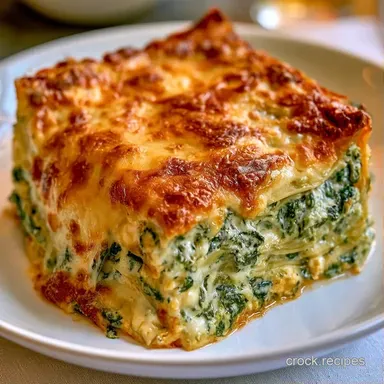
Creamy Slow Cooker Vegetable Lasagna
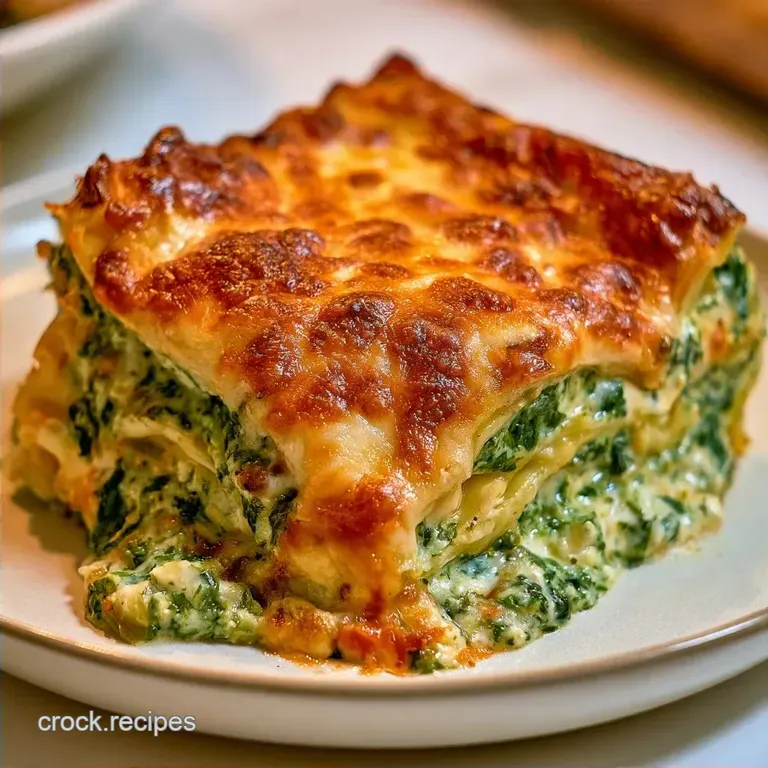
- Time: 20 min active + 3 hours cooking
- Flavor/Texture Hook: Creamy ricotta layers with tender, garden fresh vegetables
- Perfect for: Meatless Monday or a stress free family dinner
The aroma of bubbling garlic and toasted oregano filling the room is the highlight of a rainy Sunday. I first decided to try this without an oven because I was tired of cleaning multiple pans and scrubbing baked-on cheese from a heavy dish.
I craved that comforting, authentic Italian experience without turning my kitchen into a sauna.
This Slow Cooker Vegetable Lasagna is the ideal solution for those exhausting days. Simply layer your ingredients, set the timer, and go about your business. You'll end up with a slice that maintains its structure while remaining tender, with vegetables that retain their vibrant taste rather than turning into mush.
You can look forward to a meal that is truly hearty and filling. Even the most dedicated meat eaters in my home don't crave beef when the ricotta is this velvety and the sauce is so robust. It's a perfect choice for anyone craving a homemade meal without the stress of a complicated kitchen ordeal.
The Trick Behind Texture
Pasta Hydration: The noodles soak up the marinara and vegetable juices slowly over three hours. This prevents the gummy texture you often get when boiling pasta and then baking it again.
Vegetable Steaming: Dicing the zucchini and peppers small allows them to steam within the sauce. They release their water directly into the lasagna, which keeps the layers moist without needing extra liquid.
Simple Recipe Specs
This meal is designed for a standard 6 quart slow cooker. Using a smaller pot might lead to overflow, while a massive one can cause the sauce to evaporate too quickly.
For those who love a good meal prep, this recipe is a dream. The layers actually settle and flavor meld better after a night in the fridge. Trust me, the leftovers are almost better than the first serving.
What You'll Need
Stick with fresh spinach for the best results. Frozen varieties tend to release too much moisture into the ricotta, which can lead to unstable, sliding layers.
What Each Ingredient Does
| Ingredient | Role | If You Don't Have It |
|---|---|---|
| Ricotta Cheese | Creamy structure | Blended cottage cheese |
| Lasagna Noodles | Hearty layers | No-boil sheets (use 1/4 cup less sauce) |
| Marinara Sauce | Primary flavor profile | Crushed tomatoes with garlic and basil |
| Mozzarella | Gooey stretch and crust | Monterey Jack or Provolone |
Full Shopping List
- 15 oz ricotta cheese Why this? Offers a smooth, creamy balance to the tangy sauce
- 1/2 cup grated Parmesan cheese Why this? Delivers a sharp, salty depth
- 1 large egg, lightly beaten Why this? Stabilizes the ricotta to prevent leaking
- 2 cups fresh baby spinach, chopped Why this? Boosts nutrients and color without dominating the taste
- 1 tsp dried oregano
- 1/2 tsp salt
- 1/4 tsp black pepper
- 1 medium zucchini, diced small Why this? Excellent for absorbing the savory sauce
- 1 red bell pepper, diced small
- 8 oz mushrooms, finely chopped Why this? Contributes an earthy, "meaty" texture
- 2 cloves garlic, minced
- 32 oz marinara sauce Why this? The core flavor base; choose a low-sugar option
- 12 oz lasagna noodles Why this? Classic noodles ensure a sturdy build
- 3 cups shredded mozzarella cheese Why this? Necessary for the perfect cheese stretch
- 1/4 cup fresh parsley, chopped
Smart Swaps
| Original Ingredient | Substitute | Why It Works |
|---|---|---|
| Ricotta | Tofu Ricotta | Mashed firm tofu with lemon and salt. Note: Nuttier flavor and lighter consistency |
| Mushrooms | Eggplant | Diced small. Note: Comparable texture but more absorbent |
| Red Bell Pepper | Carrots | Grated. Note: Adds a sweet note but takes longer to soften |
Now, let's double check that you have all your equipment ready before we begin assembling.
Essential Kitchen Tools
You don't need any fancy gadgets here. A basic set of bowls and a slow cooker will do the job.
- 6 quart slow cooker
- Medium mixing bowl (for the ricotta mix)
- Small mixing bowl (for the veggie sauce)
- Box grater (if you're grating your own cheese)
- Silicone spatula (best for getting every bit of sauce out)
Prep to Plate
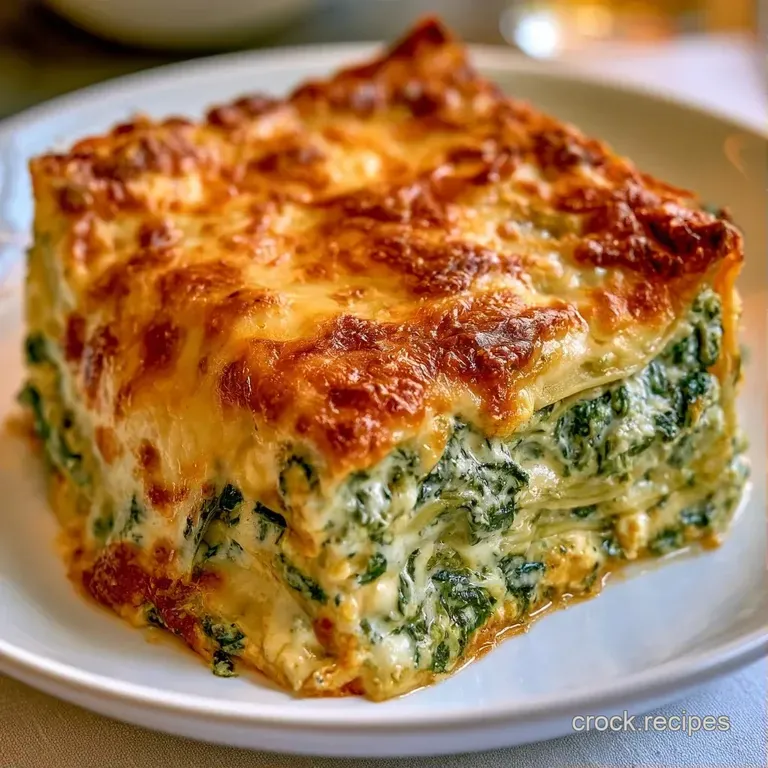
Phase 1: The Creamy Base
In a medium bowl, combine the ricotta, Parmesan, beaten egg, chopped spinach, oregano, salt, and pepper. Stir until the spinach is well incorporated and the mixture is a cohesive, pale green cream.
Phase 2: Preparing the Garden Mix
Mix the diced zucchini, bell pepper, mushrooms, and minced garlic in a small bowl, then stir them directly into the marinara sauce. This ensures the vegetables are spread evenly throughout the Slow Cooker Vegetable Lasagna.
Phase 3: The Layering Process
Start by spreading 1/2 cup of the vegetable marinara on the bottom of the slow cooker to prevent the noodles from sticking.
Lay 3 to 4 lasagna noodles over the sauce, breaking them as needed to fit the oval shape of the pot.
Spread 1/3 of the ricotta blend evenly over the pasta. Sprinkle 1 cup of mozzarella cheese over the ricotta.
Spoon another layer of the vegetable marinara sauce over the cheese. Repeat the layers of noodles, ricotta, and mozzarella until all ingredients are used.
Finish the Slow Cooker Vegetable Lasagna with a final layer of marinara sauce and a topping of mozzarella cheese.
Phase 4: The Slow Cook
Cover and cook for 3 hours on High or 6 hours on Low. The lasagna is ready when the sauce is bubbling around the edges and the noodles feel tender when poked with a fork.
Phase 5: The Final Rest
Switch off the heat and let the dish sit for 15 minutes. While difficult to wait, this allows the layers to set for cleaner slicing. Garnish with fresh chopped parsley before serving.
Chef's Tip: To get a browned top, place the oven safe ceramic insert under your broiler for 3-5 minutes. Be sure to verify that your insert is oven safe first!
Avoiding Kitchen Disasters
I learned early on that using too many noodles is a common mistake. If they are packed too tightly, the sauce cannot circulate, leading to hard, dry patches in the center of your Slow Cooker Vegetable Lasagna. Be sure to leave a little bit of space between the sheets.
You may also experience "soupy" lasagna. This often results from using frozen vegetables that weren't first thawed and drained. Always opt for fresh produce or ensure your vegetables are thoroughly drained.
Troubleshooting Common Issues
To Prevent Excess Liquid
If your zucchini is particularly watery, salt the diced pieces and let them rest for 10 minutes, then pat them dry. This helps the sauce stay thick.
To Fix Stuck Noodles
If the pasta is sticking to the sides, you likely didn't apply enough sauce to the edges. In the future, smear some extra marinara up the walls of the pot.
To Ensure Tender Pasta
If the noodles remain firm, pour a splash of broth or water around the edges and cook for another 30 minutes.
| Problem | Fix |
|---|---|
| Too watery | Drain veggies better or simmer sauce longer |
| Hard noodles | Add 1/4 cup water and cook 30 mins more |
| Cheese didn't melt | Check lid seal or use a higher fat mozzarella |
| Layers sliding | Use a binder (egg) in the ricotta |
Pairing and Serving Ideas
Since this meal is quite indulgent, a refreshing side helps balance the creaminess. I highly recommend a simple arugula salad tossed in lemon dressing; the bitter greens contrast beautifully with the sweet marinara.
To make the meal even more filling, consider adding some classic garlic bread. I often toast sourdough with garlic butter and a sprinkle of chili flakes for a spicy kick.
If you're looking for another comforting dinner, this Baked Tortellini Casserole is a wonderful option that delivers those same cozy vibes using different ingredients.
Decision Shortcut
- For a firmer set: allow the dish to rest for 20 minutes before slicing.
- For a deeper flavor: pre-roast the zucchini and mushrooms for 10 mins at 400°F.
- For extra creaminess: stir 1/4 cup of heavy cream into the ricotta mixture.
Fresh vs. Shortcut Veggies
| Veggie Type | Texture | Flavor Impact |
|---|---|---|
| Fresh | Crisp and distinct | Bright, garden fresh taste |
| Frozen | Softer, more uniform | Muted, more blended flavor |
| Canned | Very soft | Salty and concentrated |
Storage and Reheating
Place any remaining Slow Cooker Vegetable Lasagna in an airtight glass container. It will stay fresh in the refrigerator for as long as 4 days.
For long term storage, I suggest cutting the lasagna into single servings. Wrap these pieces in aluminum foil and tuck them into a freezer safe bag. These can be kept for around 2 months.
When warming it back up, try to steer clear of the microwave. Although convenient, it often leaves the pasta with a rubbery texture. Instead, place a portion in a small oven safe dish with a teaspoon of water, cover it with foil, and bake at 350°F for 15-20 minutes.
To minimize waste, collect veggie trimmings (such as pepper seeds or zucchini ends) in a freezer bag. When the bag is full, simmer the contents in water to create a simple vegetable stock for your next soup.
Fun Flavor Variations
You can easily tweak this recipe to fit your mood or dietary needs. I've tried a few versions, and these are the ones that actually work.
For a Slow Cooker Vegan Lasagna
Swap the ricotta for a blend of mashed tofu, nutritional yeast, lemon juice, and salt. Use a vegan mozzarella alternative for the top. The result is surprisingly lush and satisfies that cheese craving.
For a Protein Packed Twist
Stir in a cup of cooked lentils or some crumbled tempeh into the marinara sauce. This adds a bit of chew and keeps you full much longer.
For a Pesto Infused Version
Instead of just ricotta, swirl in 2 tablespoons of basil pesto. This adds a bright, herbaceous note that makes the Slow Cooker Vegetable Lasagna feel more like a spring dish. If you love creamy bases, you could even experiment with a Halal White Sauce instead of marinara for a "Lasagna Bianca" style.
Low Carb Swap
Replace the pasta sheets with thinly sliced eggplant or zucchini planks. Just make sure to salt the slices and pat them dry first, or the dish will turn into a soup.
Kitchen Myths
Myth: You must boil noodles first. Truth: In a slow cooker, the moisture from the vegetables and sauce is enough to cook the pasta. Boiling them first often leads to mushy noodles by the time the 3 hours are up.
Myth: Searing vegetables "locks in" nutrients. Truth: Searing adds flavor through browning, but it doesn't lock in nutrients. Steaming them slowly in the sauce preserves a lot of the natural vitamins and keeps them tender.
Myth: Ricotta must be strained. Truth: While some people do this, the egg in this recipe binds the ricotta sufficiently. Straining is an extra step you don't really need for a slow cooker version.
Recipe FAQs
What vegetables work best in this lasagna?
Zucchini, bell pepper, and mushrooms. These specific vegetables dice well and blend into the marinara without releasing excessive water.
Which produce should you avoid adding?
Dense root vegetables. Hearty tubers often require longer cooking times than the 3 to 6 hours used for this recipe, leaving them undercooked.
Are there common mistakes when making veggie lasagna?
Overfilling the pot with sauce. Too much liquid prevents the layers from setting and results in a soupy consistency.
How to keep the texture from getting watery?
Dice vegetables small and stir them directly into the marinara. This ensures the moisture is absorbed by the sauce during the cooking process.
Is it true that noodles must be pre-boiled?
Actually, no. Dry noodles absorb the moisture from the ricotta and sauce as they cook on High for 3 hours or Low for 6 hours.
Can I substitute the marinara sauce?
Yes, any thick tomato sauce works. For a richer flavor, you can use a Sunday marinara as your base.
How should I reheat leftovers to avoid rubbery noodles?
Place a slice in a baking dish with a teaspoon of water. Cover with foil and heat at 350°F for 15-20 minutes.
Slow Cooker Vegetable Lasagna