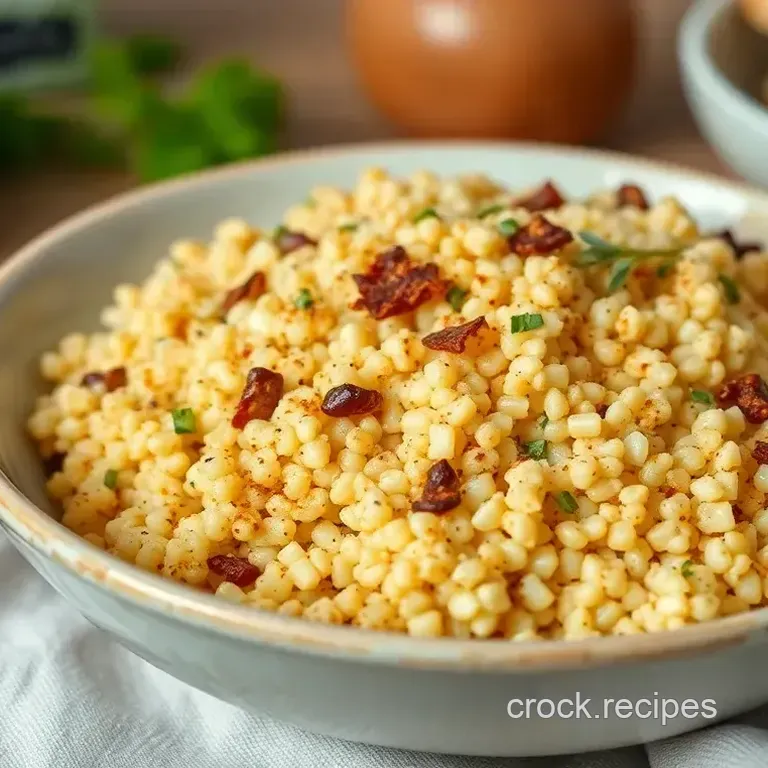
Vibrant Moroccan Spiced Couscous in 10 Minutes
- Time: 5 min active + 5 min resting
- Flavor/Texture Hook: Earthy, zesty, and fluffy
- Perfect for: Quick weeknight sides or hosting dinner parties
The aromatic blend of toasted cinnamon and cumin always reminds me of a sun-drenched courtyard in Marrakesh. I recall watching a local cook toss the grains with a rhythmic flick of the wrist, the rising steam smelling of the salt air and the earth.
In North Africa, this meal is the focal point of the table, a communal experience shared from one massive platter.
As I grew up, I realized that the simple act of steaming these tiny grains could transform a basic dinner into a festive occasion. The secret isn't found in high-end gear, but in the way the steam and spices are managed, specifically the balance between the warmth of cinnamon and the zing of fresh lemon.
This Spiced and Herbed Couscous captures that same vibrant essence. Though the process is swift, the taste is deep and developed. It is light enough for a breezy summer lunch, yet robust enough to pair with a heavy roast.
Cooked Couscous with Spices and Herbs
First, let's cover the fundamentals. This method focuses on efficiency without losing the bold impact of the spices. While many simply pour boiling water over the grains, we are going to give the aromatics a bit more attention.
| Method | Time | Texture | Best For |
|---|---|---|---|
| Fast Steaming | 15 mins | Light & Fluffy | Weeknight Meals |
| Classic Steaming | 2-3 hours | Airy & Granular | Traditional Feasts |
Here is the secret: the toast. By sautéing the cumin and paprika in olive oil first, you release the essential oils and create a depth of flavor that usually requires hours of simmering. It is the quickest way to achieve a professional-grade result in under twenty minutes.
As for the grains, we are using standard dried couscous, which is technically a tiny pasta. Because of its size, it doesn't require a long boil; it simply needs a hot soak under a tight lid to absorb those spiced notes.
To avoid the common issue of mushy couscous, avoid over-hydrating the grains or stirring them too frequently.
Why This Method Works
Toasted Aromatics: Heating spices in oil releases fat soluble flavors that boiling alone misses. Steam Hydration: Removing the pan from the heat prevents the grains from overcooking and becoming a paste.
What Each Ingredient Brings
Before we start, let's look at why we're using these specific items. Each one plays a part in balancing the earthy tones with the fresh finish.
| Ingredient | What It Does | Best Swap |
|---|---|---|
| Dried Couscous | Provides a light, neutral base | Quinoa (requires more water) |
| Vegetable Broth | Adds savory depth and moisture | Water + pinch of salt |
| Smoked Paprika | Gives a woody, charred note | Sweet paprika (less depth) |
| Lemon Juice | Cuts through the fat with acidity | Lime juice |
| Fresh Parsley | Adds a clean, grassy finish | Fresh cilantro (more pungent) |
For the Spiced Base
The combination of cumin, turmeric, and cinnamon creates that classic North African profile. The turmeric doesn't just add a mild ginger like taste, it gives the Cooked Couscous with Spices and Herbs that gorgeous golden hue.
I find that using smoked paprika instead of regular paprika adds a layer of complexity that mimics a charcoal grill.
For the Fresh Finish
The lemon zest and fresh herbs are what keep this from feeling "heavy." Adding the olive oil at the end gives the grains a glossy look and prevents them from sticking together. If you're feeling bold, you can add a handful of pomegranate seeds at the end for a pop of sweetness.
Ingredient List and Subs
- 1.5 cups dried couscous Why this? Fast cooking and absorbs flavors quickly
- 1 tbsp extra virgin olive oil (for toasting)
- 1 tsp ground cumin
- 1 tsp smoked paprika
- 0.5 tsp ground turmeric
- 0.25 tsp ground cinnamon
- 0.5 tsp sea salt
- 1.5 cups low sodium vegetable broth Why this? Much more flavor than plain water
- 0.25 cup fresh flat leaf parsley, finely chopped
- 2 tbsp fresh cilantro, finely chopped
- 1 tbsp fresh lemon juice Why this? Brightens the earthy spices
- 1 tsp lemon zest
- 2 tbsp extra virgin olive oil (for finishing)
Swap Ideas:
- For a nuttier flavor: Use a brown butter base instead of olive oil.
- For extra richness: Swap half the broth for coconut milk.
- For a different herb profile: Use mint instead of cilantro for a cooler taste.
Tools for the Job
Minimal equipment is required here. The only absolute necessity is a medium saucepan with a tight-fitting lid. If the lid doesn't seal properly or has a vent, the steam will escape, resulting in grains that remain crunchy.
I prefer using a large fork for the final step. While a spoon can accidentally mash the grains, a fork allows you to lift and fluff them. This is the secret to achieving that cloud-like, airy texture. To avoid catching any bitter white pith, use a microplane for the lemon zest.
Making the Spiced Grains
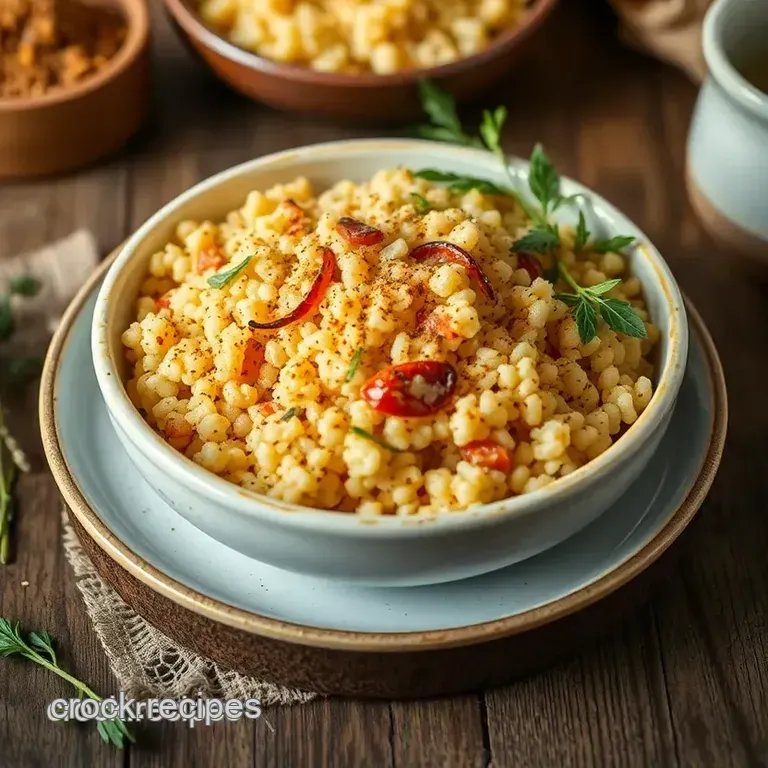
Here is how to prepare it. Stick to these directions, and you'll achieve a perfect result every time.
- Heat 1 tablespoon of olive oil in a saucepan over medium heat.
- Once the oil is shimmering, stir in the cumin, paprika, turmeric, and cinnamon. Toast for 30-60 seconds until they smell nutty and fragrant. Note: Don't let them burn or they'll turn bitter.
- Pour in the vegetable broth and sea salt.
- Bring the liquid to a light boil.
- Immediately remove the pan from the heat and stir in the dried couscous.
- Cover the pot with a tight lid and let it sit undisturbed for 5 minutes.
- Remove the lid and use a large fork to gently fluff the grains.
- Stir in the lemon juice, lemon zest, chopped parsley, cilantro, and the final 2 tablespoons of olive oil.
Precision Checkpoints:
- Spices toast for 30-60 seconds.
- Liquid boils before couscous goes in.
- Steam for exactly 5 minutes.
Fixing Grain Issues
Sometimes things go sideways. Here is how to handle it.
Preventing Clumping
If your Cooked Couscous with Spices and Herbs feels dense or sticky, stop stirring with a spoon. Use a fork to lift and fluff the grains. If it's still too clumped, you likely used too much liquid. Keep a strict 1:1 ratio of liquid to grain for the best results.
Avoiding Mushy Grains
Mushiness happens when the couscous boils. Remember, we only bring the broth to a boil, then remove the pan from the heat. The grains should cook in the residual heat and steam, not in bubbling water.
If you accidentally boiled them, try fluffing them more vigorously and adding an extra teaspoon of lemon juice to cut through the starchiness.
Balancing Bland Flavors
If the dish tastes flat, it's usually a lack of acid. Add another squeeze of lemon juice or a tiny pinch of salt. Salt acts as a magnifier for the cumin and cinnamon. I've found that adding a tiny bit of honey or maple syrup can also balance out an over spiced batch.
Fixing Dry Grains
If the grains are still a bit hard after 5 minutes, don't add more water. Instead, put the lid back on and let it sit for another 2-3 minutes. If they're still dry, stir in an extra tablespoon of olive oil or a splash of warm broth to hydrate the exterior of the grains.
Changing the Ingredients
Depending on what you're serving, you can pivot this recipe. For a more Mediterranean feel, skip the cinnamon and add some dried oregano. This version pairs beautifully with a lamb meatballs recipe because the lemon cuts through the richness of the meat.
Decision Shortcut:
- For a nuttier taste: Toast spices 15 seconds longer.
- For more zest: Double the lemon zest.
- For a fluffier finish: Use a fork, never a spoon.
If you want to boost the veggie profile, stir in some sautéed carrots or peas during the final fluffing stage. For a sweet and nutty contrast, fold in toasted slivered almonds and dried currants. These additions turn the side dish into a full meal.
Scaling Tips: - For a smaller batch (1/2): Use 0.75 cup couscous and 0.75 cup broth. Reduce spices by half. - For a crowd (2x): Use 3 cups couscous and 3 cups broth. Only increase spices to 1.5x to avoid overpowering the dish. Work in a larger pot to ensure the steam distributes evenly.
Saving and Reheating
This dish holds up well, but the fresh herbs will fade over time. Keep it in a sealed glass jar in the cooler for up to 4 days. To refresh the flavor, stir in a tiny bit of fresh lemon juice right before serving.
For reheating, avoid the microwave if you can. The microwave can make the grains rubbery. Instead, put the couscous in a pan over low heat with a teaspoon of water or olive oil. Heat for 2-3 minutes just until warmed through. This keeps the texture light.
Zero Waste Tips: Don't throw away the lemon hulls after zesting. You can freeze them to use in infused water or compost them. If you have leftover vegetable broth, freeze it in ice cube trays for when you need a small amount of flavor for a sauce.
Leftover Cooked Couscous with Spices and Herbs also makes a great base for a cold grain salad the next day.
Best Ways to Serve
The versatility of this dish is where it really shines. It's a brilliant companion for any protein that benefits from a bright, aromatic side. I love serving it alongside pan seared salmon because the smoked paprika in the grains complements the charred crust of the fish.
For a vegetarian option, serve this as a bed for roasted cauliflower or spiced chickpeas. The golden color of the turmeric makes it look stunning on a platter. If you're hosting a dinner party, pile the couscous high on a large plate, create a well in the center, and fill it with a rich stew or tagine.
Pro Serving Tips:
- Garnish with fresh mint leaves for an extra pop of color.
- Add a dollop of Greek yogurt or labneh on the side for a creamy contrast.
- Sprinkle some toasted sesame seeds on top for an extra crunch.
Why This Method Works
I've spent a lot of time tinkering with different liquid ratios. Some people swear by simmering the grains, but that's where you risk the "mush factor." By removing the pot from the heat, you're letting the grains absorb the liquid slowly via steam. This preserves the individual structure of each grain.
Another detail is the timing of the herbs. If you add the parsley and cilantro to the boiling broth, they'll turn brown and lose their punch. By folding them in at the end, you're using the residual heat to release the essential oils without cooking the life out of the greens.
It keeps the Cooked Couscous with Spices and Herbs looking vibrant and tasting fresh.
Honestly, the biggest mistake people make is rushing the fluffing process. If you just stir it once and stop, you'll have clumps. Take a minute with that fork. Drag it through the grains in different directions. It feels tedious, but it's the only way to get that professional, airy result.
Trust me, your taste buds will thank you.
Recipe FAQs
What spices pair best with these grains?
Use ground cumin, smoked paprika, turmeric, and cinnamon for a warm, earthy profile.
Tip: Toast them in olive oil first to unlock a much deeper aroma.
How to cook couscous with spices for maximum flavor?
Toast the cumin, paprika, turmeric, and cinnamon in shimmering olive oil for 30–60 seconds before adding the broth.
Tip: Keep the heat at medium to prevent the delicate spices from scorching.
Which fresh herbs work best as a finish?
Finely chopped parsley and cilantro provide a bright contrast to the toasted spices.
Tip: Stir these in after the grains have rested to keep the color vibrant.
Can I enhance the taste of already cooked grains?
Fold in lemon juice, lemon zest, and extra olive oil to brighten the flavor.
Tip: This side pairs perfectly with pan seared salmon for a complete meal.
Is it true that couscous must be simmered for hours to be authentic?
No, this is a common misconception. Fast steaming with a tight lid for 5 minutes produces a light, fluffy texture.
Tip: Ensure the pot lid is completely airtight to trap the steam efficiently.
What makes this version healthy?
It utilizes heart-healthy olive oil, low-sodium vegetable broth, and anti-inflammatory spices.
Tip: Use a low-sodium broth to keep the total salt content in check.
Does adding lemon juice affect the fluffiness?
No, and here's why. The acidity cuts through the olive oil without breaking down the grain structure.
Tip: Add the lemon zest as well for an intense citrus punch without adding extra liquid.
Why is my couscous clumping together?
Gently fluff the grains with a large fork instead of stirring with a spoon.
Tip: Avoid opening the lid during the 5-minute resting period to maintain consistent steam.
Spiced Herbed Couscous in 10 Minutes