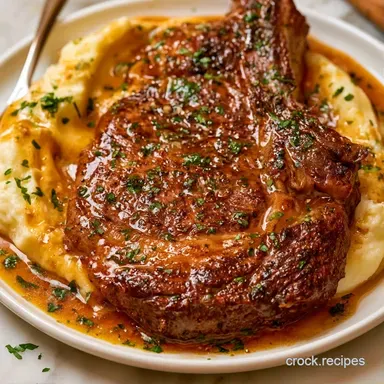
Ribeye Steak and Mashed Potatoes in 30 Minutes
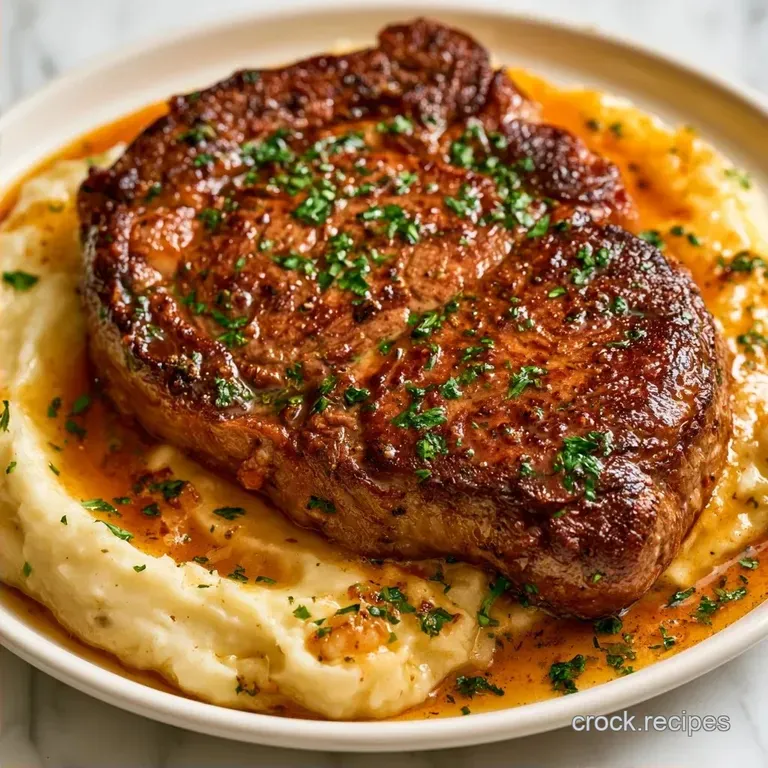
- Time: 10 minutes prep + 20 minutes cooking
- Taste Profile: Mahogany crust paired with silky, buttery mash
- Ideal for: A romantic date or an upscale weeknight meal
Ribeye Steak and Mashed Potatoes
The aggressive sizzle of a ribeye hitting a searing pan is easily the most satisfying part of the process. Early in my cooking journey, I once rushed a dinner party and neglected to pat the meat dry; the result was a gray, steamed piece of beef rather than a golden crust.
That failure highlighted a crucial lesson: mastering moisture control is what separates a standard home meal from a professional steakhouse experience.
The Ribeye is the star of the show. I prefer it to filet or sirloin because the rich marbling melts during cooking, bathing the meat in its own juices. Combined with the buttery richness of Yukon Gold potatoes, the result is an indulgent, hearty meal.
This isn't intended to be a "light" dish it's designed for deep, savory satisfaction.
This meal hits every mark: the crunch of a perfect sear, the smoothness of the mash, and a glossy pan sauce to bridge the flavors. This timeless pairing is beloved for a good reason, and we'll have it ready on your plate in under 40 minutes.
Quick Specs for Dinner
| Metric | Detail |
|---|---|
| Total Time | 38 minutes |
| Servings | 2 people |
| Main Protein | 12 oz Ribeye (each) |
| Cooking Method | Pan sear & Boil |
Now, let's go over the equipment. You don't need a high end kitchen, but having the right tools will make things much smoother.
What Makes This Taste Great
| Component | Purpose | Substitute Notes |
|---|---|---|
| Ribeye Steak | Main fat and flavor | Sirloin works, but it's leaner and tougher |
| Yukon Gold | Buttery texture | Russets are fluffier but less rich |
| Avocado Oil | over High heat searing | Grapeseed oil is a great alternative |
| Heavy Cream | Adds richness to mash | Whole milk works, but it's less thick |
Gear for the Job
A cast iron skillet is my top choice here. Its exceptional heat retention ensures a deep brown crust while keeping the center perfectly cooked. Alternatively, a thick stainless steel pan will do, provided you monitor the temperature closely.
For the potato prep, just grab a medium sized pot and a masher. To achieve an ultra smooth texture, a ricer is a helpful tool, even if it means another dish to clean.
Chef's Note: Microwave your cream for 30 seconds before stirring it into the potatoes. Using cold cream can cool down the mash and prevent it from becoming perfectly smooth.
Step-by-step Cooking Guide
Phase 1: The Rapid Boil Prep
Put potato cubes into salted water and boil on high for 12-15 minutes. Note: Using 1 inch cubes guarantees they are fully cooked by the time the steak finishes resting.
Phase 2: The Mahogany Sear
Use paper towels to pat the steaks completely dry. Apply a generous amount of salt and pepper. In a cast iron pan, heat avocado oil until it just begins to smoke. Add the steaks and sear for 3-4 minutes on each side, leaving them undisturbed. Ensure you hear a strong, steady sizzle.
Phase 3: The Butter Baste & Rest
In the final 2 minutes, toss 2 tbsp butter into the skillet. Tilt the pan and continuously baste the steaks with the foaming butter. Transfer the meat to a dish to rest for 5-8 minutes.
Phase 4: The Finishing Touch
Once drained, mash the potatoes right away with 4 tbsp butter, garlic powder, and warm cream. Using the same pan, simmer beef broth and Worcestershire sauce for 3 minutes. Use a whisk to scrape up the browned bits, then blend in 1 tbsp cold butter for a glossy glaze.
Why These Steps Work
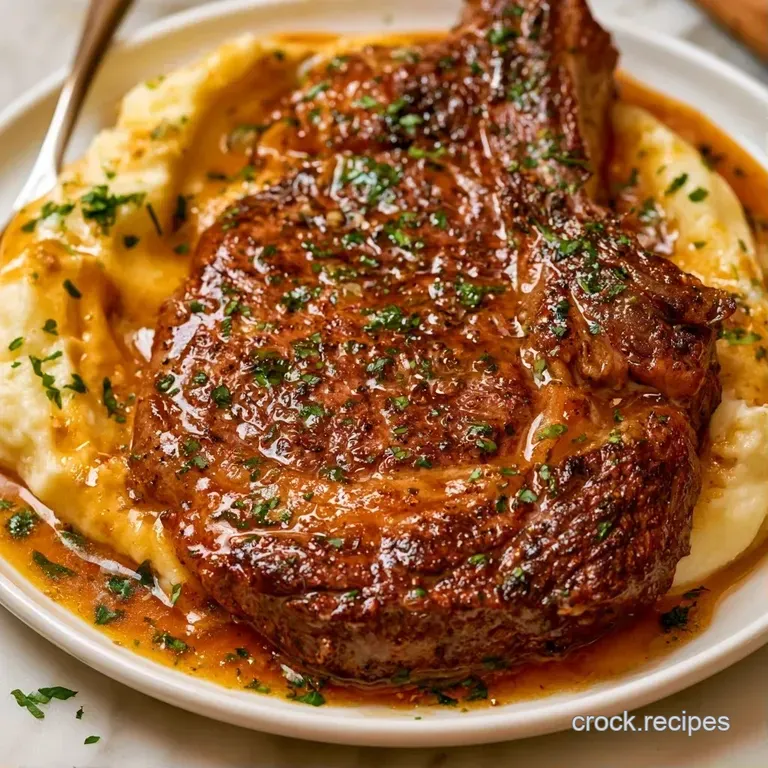
- High Smoke Point: Using avocado oil allows the pan to get hot enough to brown the meat without the oil burning and tasting bitter.
- Butter Basting: Spooning melted butter over the steak adds a nutty layer of flavor and ensures the sides of the meat are cooked.
- Potato Choice: Yukon Golds have a waxier texture than Russets, which makes the mash feel more like a rich puree.
Serious Eats' testing shows that patting meat dry is the most important step for a crust, as water on the surface creates steam that prevents browning.
Fixing Common Kitchen Glitches
One of the biggest frustrations with Steak and Mashed Potatoes is when the timing feels off. Usually, the steak is done and the potatoes are still hard, or the mash is cold by the time the meat is rested. The trick is starting the water first.
Steak is Gray
This happens when the pan isn't hot enough or there's too much moisture on the meat. The meat boils in its own juices instead of searing.
Potatoes are Gummy
Over working the potatoes releases too much starch. Use a masher or ricer, but don't over mix with a hand mixer.
Sauce is Broken
If the pan sauce looks oily, the butter was added to boiling liquid. Whisk in the cold butter off the heat.
| Problem | Fix |
|---|---|
| Gray Steak | Pat meat drier and wait for smoking oil |
| Gummy Mash | Mash by hand, do not over mix |
| Broken Sauce | Whisk cold butter in after removing from heat |
Storage and Leftover Ideas
Keep any remaining portions in the refrigerator for a maximum of 3 days. To warm the steak, use a pan over medium low heat with a pat of butter, heating slowly to avoid overcooking. For the mashed potatoes, a tiny bit of milk and one minute in the microwave is all you need.
Reduce waste by keeping your potato skins. Mix them with salt and oil, then air fry for 10 minutes for a quick snack. Any remaining beef broth or pan drippings can serve as a tasty base for a quick soup. If you have an excess of beef in the freezer, you could try Hamburger Steak and Gravy for another cozy meal.
Different Flavor Ideas
Feel free to customize this Steak and Mashed Potatoes dish to suit your mood. For a more French inspired flavor, replace the beef broth with a cognac reduction and heavy cream, similar to a Steak Au Poivre recipe.
- For an earthy flavor: Sauté sliced cremini mushrooms in the pan before you add the broth for the sauce.
- For a pop of color: Fold chopped parsley or chives into the mashed potatoes.
- For a zesty touch: Mix a teaspoon of Dijon mustard into the pan sauce.
- For a darker sear
- pat the meat even drier with more paper towels.
- For a velvetier texture
- use a potato ricer rather than a masher.
- For a more indulgent sauce
- substitute cold butter with a tablespoon of heavy cream.
Plating Your Meal
I like to start with a large scoop of the mash, using the back of the spoon to create a small well in the center. Place the rested ribeye partially leaning against the potatoes. Pour the glossy pan sauce directly over the meat, letting it pool into the potato well.
Add a side of steamed asparagus or garlicky sautéed spinach to cut through the richness. A sprinkle of flaky sea salt on top of the steak right before serving makes the flavors pop.
Common Beliefs
Searing meat does not "seal in juices." This is a common myth. Moisture loss happens regardless of the sear. The crust is actually about flavor and texture, not about locking in water.
Another misconception is that you must let meat rest for 20 minutes. While resting is vital, 5-8 minutes is plenty for a Ribeye. Any longer and your steak will start to get cold.
According to USDA guidance, the safe internal temperature for beef depends on your preference, but 145°F is the recommended minimum for safety.
Critical Sodium Levels
1840 mg 1,840 mg of sodium per serving (80% 80% of daily value)
The American Heart Association recommends a daily limit of no more than 2,300 mg of sodium, with an ideal limit of 1,500 mg for most adults.
Tips to Reduce Sodium
-
Swap the Beef Broth-30%
Replace standard beef broth with low-sodium or no-salt added beef broth to significantly reduce the largest source of sodium in the sauce.
-
Reduce Kosher Salt-25%
Cut the kosher salt in half or omit it entirely; the natural sodium in the meat and other liquids often provides enough flavor.
-
Modify Worcestershire Sauce-20%
Use a low-sodium version of Worcestershire sauce or substitute it with a teaspoon of balsamic vinegar for a similar tangy depth.
-
Enhance with Fresh Herbs
Add fresh rosemary, thyme, or garlic cloves to the steak baste to increase aromatic flavor without adding any salt.
Recipe FAQs
Can you eat steak with mashed potatoes?
They are a classic pairing that balances rich meat with creamy potatoes.
Tip: use the pan sauce to tie both elements together on the plate.
What steak goes well with mashed potatoes?
Ribeye is an ideal choice due to its high fat content and flavor.
Tip: pat the meat completely dry before searing to get a better crust.
Is it true that the 3 3 3 rule is required for every steak?
Not true. Different thicknesses require different timings to reach your preferred doneness.
Tip: sear for 3 4 minutes per side as specified for these 12 oz cuts.
What is a good side dish with steak?
Roasted asparagus or sautéed spinach provide a fresh contrast to the richness.
Tip: if you enjoyed the rich flavor of a French stew, you will love the depth of this pan sauce.
How to make beef rib roast in a crock pot?
Sear the meat in a pan first, then place it in the slow cooker with beef broth on low for 8 hours.
Tip: let the roast rest for 15 minutes before slicing to keep juices inside.
Does pot roast (beef) require a slow cooker for tenderness?
This one's false: a Dutch oven in the oven is the best alternative for tender results.
Tip: sear the meat first to develop a deep flavor profile.
Which beef is best to use in a slow cooker?
Tougher beef cuts with lots of connective tissue are best.
Tip: these cuts break down over several hours into a tender texture.
Steak And Mashed Potatoes