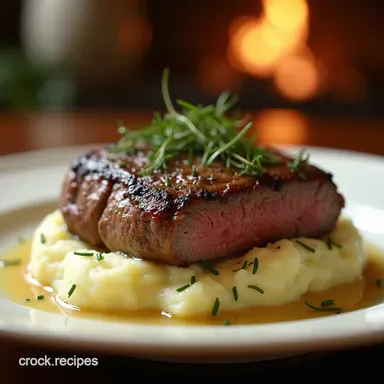
Steakhouse Secrets the Perfect Panseared Sirloin with Silky Garlic and Chive Mashed Potatoes
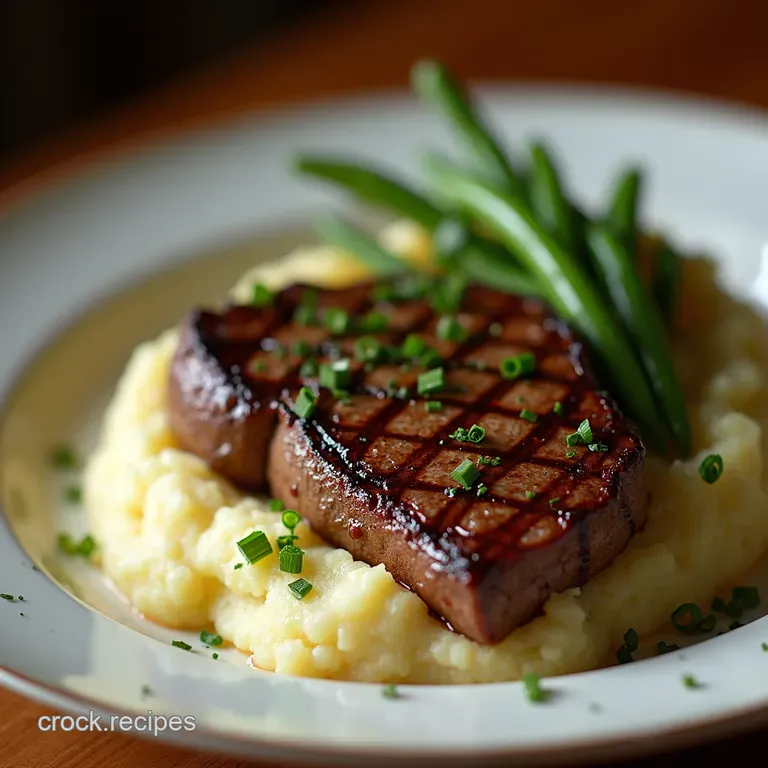
- Beyond Basic: Defining Our Elevated Steak and Mashed Potatoes Experience
- Why This Recipe Captures the Essence of Perfect Comfort Dining
- Gathering Your Culinary Arsenal: Essential Components for Success
- Mastering the Mash: Specialty Ingredients for Cloud-Like Texture
- Phase One: Achieving Flawless, Velvety Mashed Potatoes
- Phase Two: The Art of the Pan-Seared Steak Finish
- Bringing It Together: The Final Assembly of Steak and Mashed Potatoes
- Troubleshooting Common Setbacks and Expert Fixes
- Variations on a Theme: Customizing Your Steak Plate
- Recipe FAQs
- 📝 Recipe Card
Beyond Basic: Defining Our Elevated Steak and Mashed Potatoes Experience
The mere mention of Steak and Mashed Potatoes conjures images of cozy evenings, crackling fires, and the pinnacle of satisfying, hearty meals. This pairing is a testament to culinary simplicity done perfectly.
However, we aren't here to assemble mediocrity; we are here to construct an experience. Our goal is to take these Classic Dishes and elevate them through precise technique. Forget the dry, overcooked steak and the gluey, flavourless mash you might have encountered elsewhere.
This recipe focuses on creating a deeply caramelized crust on the sirloin, yielding a Juicy Steak , while the potatoes are transformed into a light, almost ethereal accompaniment, infused with subtle garlic and fresh herbs.
It’s about respect for the ingredients and mastering the timing, the foundation for any truly memorable Steak Dinner Ideas .
Why This Recipe Captures the Essence of Perfect Comfort Dining
This Steak and Mashed Potatoes Dinner achieves the Ultimate Comfort Food status because it balances rich decadence with textural harmony. The intensity of the seared beef, complemented by a quick, umami-rich pan sauce, is perfectly contrasted by the smooth, creamy coolness of the mash.
Our approach, pan-searing thick-cut sirloin and finishing it with aromatic basting, ensures every bite delivers maximum flavour without relying on heavy, complicated sauces, though we will certainly build a simple jus from the drippings.
This is about showcasing quality components prepared with expert methodology.
The Secret to a Restaurant-Quality Sear at Home
The crust, or sear, is non-negotiable when dealing with quality beef. Achieving that deep, mahogany-brown exterior requires two things: an impeccably dry surface and screaming hot fat.
Before the steak even sees the pan, it must be patted completely dry with paper towels, moisture inhibits the Maillard reaction, leading to steaming rather than searing. We introduce the seasoned steaks to oil heated until it shimmers, allowing that intense, initial contact to build structure and flavour rapidly before we introduce gentler finishing techniques.
Why We Choose Sirloin for Maximum Flavor Impact
While filet mignon is tender and ribeye is marbled, we are selecting sirloin for this particular Steak and Mashed Potatoes Recipe because it strikes the perfect balance between deep, beefy flavour and manageable texture for pan-searing.
A well-marbled sirloin, about 1.25 inches thick, can withstand the high initial heat required for a great crust while retaining enough internal moisture to hit that ideal Steak Doneness without excessive fat rendering or toughness.
Setting the Stage: What Makes This Mash Unforgettably Creamy
The secret to clouds, not clumps, lies in the potato preparation. Many home cooks ruin their mash by overworking the starch. Our method ensures velvet by starting with the right potato variety and crucially, eliminating as much surface water as possible after boiling.
We then use mechanical action, specifically a ricer, to break down the cooked potato without bruising the starch molecules, leading to an exceptionally light final product that readily absorbs the rich dairy additions.
Gathering Your Culinary Arsenal: Essential Components for Success
To successfully execute this elevated Steak and Mashed Potatoes and Gravy experience, assembling your mise en place beforehand is vital, as the cooking moves quickly once the heat is on.
You will need four substantial, at least 1.25-inch thick sirloin steaks, ideally brought to room temperature for about 45 minutes prior to cooking. For the mash, about 2.5 lbs of Russet or Maris Piper potatoes form the base.
Beyond the main ingredients, high-quality kosher salt, freshly cracked black pepper, a neutral high smoke-point oil like grapeseed, and unsalted butter are indispensable, as is an instant-read meat thermometer for precision.
Mastering the Mash: Specialty Ingredients for Cloud-Like Texture
The mash demands thoughtful flavour layering. We are adding roasted garlic for a mellow sweetness, completely different from raw garlic’s sharpness. This requires slicing the top off a whole head of garlic, drizzling it with oil, wrapping it in foil, and roasting it in the oven at 400° F ( 200° C) until it is soft and deeply caramelized, this takes about 30–35 minutes.
Once roasted, the soft paste squeezes right out.
Selecting the Right Cut: Steak Quality Matters
We insist on a quality cut, specifically sirloin, which benefits immensely from the quick, high-heat sear. For four servings, aim for steaks around 8 ounces each. Thickness is key here; thinner steaks overcook before a proper crust can form.
Remember, the quality of the beef dictates the final outcome of your Steak Dinner Ideas .
Aromatics and Seasoning: The Herb and Spice Toolkit
For the steak basting, we rely on classic aromatics that bloom beautifully in hot butter: a few cloves of lightly crushed garlic and several sprigs of fresh thyme. These are added only in the final stages of cooking to infuse the butter without burning.
For the mash, fresh chives and parsley provide brightness to counteract the richness of the dairy.
The Dairy Decision: Butter, Cream, and the Role of Starch
For the mash, we incorporate 6 tablespoons of softened, cubed unsalted butter, which adds richness, and 1/2 cup of heavy cream, warmed slightly beforehand. Warming the liquid prevents the temperature shock that can cause the starches in the potatoes to seize up.
This precise ratio ensures the mash is rich but remains fluffy, rather than dense.
Related Recipes Worth Trying
- The Best Meat and Cheese Pinwheel Appetizers Recipe — Whip up these brilliant Meat and Cheese Pinwheel Appetizersa hearty cheese pinwheels recipe featuring ham and sharp cheddar Perfect party food Get the easy...
- SunKissed 10Minute Tuscan Tuna Melts Quick and Delicious Food Recipes — Tired of boring lunches Try these TwoMinute Tuscan Tuna Melts for quick and easy supper recipes that taste gourmet Gooey cheese over zesty tuna See the recipe
- 20Minute Sheet Pan Salmon Quick and Easy Recipes for Dinner — Need quick and easy meals that taste amazing This Lemon Herb Salmon is ready in 20 minutes with minimal washing up A truly delish recipe
Phase One: Achieving Flawless, Velvety Mashed Potatoes
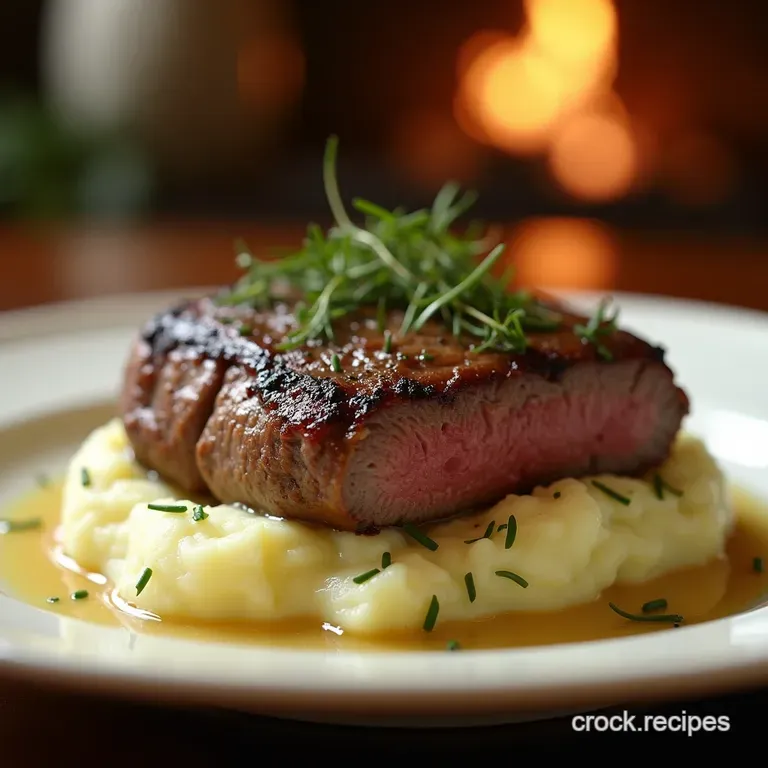
The journey to superior mash begins with correctly cooking the potatoes. Place your peeled and quartered potatoes into a saucepan and cover them with cold, heavily salted water, it should taste like the sea. This ensures seasoning penetrates deeply as they cook.
Bring this to a boil, simmering until they are completely fork-tender, typically 15 to 20 minutes. The crucial next step is drying: drain them completely, return them to the hot, empty pot, and let them sit over low heat for two minutes, shaking often.
This releases trapped water vapour, a common culprit in gummy mash.
Phase Two: The Art of the Pan-Seared Steak Finish
With the potatoes drying, attention shifts to the beef. Season the room-temperature steaks very aggressively with kosher salt and pepper just before they enter the pan. Heat your cast-iron skillet until it is almost smoking, add your high-smoke-point oil, and place the steaks down carefully.
Let them form a deep crust undisturbed for 3 to 4 minutes. Flip them, immediately reduce the heat slightly, and introduce the butter, thyme, and crushed garlic. Begin basting immediately, tilting the pan and spooning the fragrant, foaming butter over the top surface repeatedly.
Use your thermometer to gauge Steak Doneness ; for a perfect medium-rare, aim to pull them off the heat when they register 128° F ( 53° C).
Bringing It Together: The Final Assembly of Steak and Mashed Potatoes
Timing is everything now. Once the steaks are removed from the pan and placed on a cutting board, tented loosely with foil, they must rest for a minimum of 8 to 10 minutes.
This allows the internal juices, which were forced toward the centre by the heat, to redistribute throughout the muscle fibres, ensuring a truly Juicy Steak . While the beef rests, we complete the mash and create a quick sauce.
Preparing the Potatoes: Boiling to Tender Perfection
(This section flows from the earlier detailed description of the boiling and drying process, emphasizing the importance of heat retention and water removal.)
Infusing the Mash: Whipping in Garlic, Chives, and Butter
Once riced or sieved, the hot potato pulp is ready for enrichment. Whisk in the softened butter cubes until they are fully emulsified into the mash. Then, gently fold in the warm cream, the sweet, roasted garlic paste, and the finely snipped fresh chives and parsley.
Taste and adjust salt aggressively; the potatoes need a confident seasoning hand. Keep this mixture warm, perhaps placed over a bowl of hot water, but do not let it sit too long or re-heat vigorously.
The Sizzle Point: Temperature Control for a Perfect Crust
(This section reinforces the high-heat searing technique described earlier, emphasizing that the initial high temperature is what locks in the juices and creates the textural contrast essential for a great Steak and Mashed Potatoes presentation.)
Resting the Beef: Why This Step Is Non-Negotiable
During the rest, the muscle fibres relax, preventing the juices from spilling out all over your plate when you slice into the meat. If you slice too soon, all that flavour and moisture ends up pooling beneath the steak instead of inside it, guaranteeing a drier result.
Crafting an Instant Pan Jus to Elevate the Plate
While the steak rests, use the same skillet. Return it to medium heat. Pour in 1/4 cup of dry red wine or beef stock to immediately scrape up all those glorious brown bits, the fond —from the bottom. Let this liquid bubble and reduce by half.
Kill the heat and whisk in the final tablespoon of cold butter to create a glossy, emulsified pan jus. This requires no flour or thickener, relying purely on the beef essences and butter for a luxurious finish that beautifully complements the Steak and Mashed Potatoes and Gravy concept.
Troubleshooting Common Setbacks and Expert Fixes
If your potatoes seem sticky or gluey, you likely overworked them or didn't dry them sufficiently before adding liquid. Fix: If you still have some cooked potato aside, try passing a small batch through a ricer and gently folding it into the sticky batch to loosen the texture.
If your steak seems grey on the outside but you haven't hit the right temperature, your pan was not hot enough initially, or you moved the steak too soon. Fix: Don't panic; finish the steak with the butter basting technique, which will improve surface colour even if the initial sear was weak.
Variations on a Theme: Customizing Your Steak Plate
This fundamental recipe provides a launchpad for countless variations. For those who enjoy a sharper contrast, consider swirling a teaspoon of horseradish sauce directly into the warm mash just before serving. This variation offers a wonderful counterpoint to the rich steak.
Storage Guidelines for Leftover Tender Steak Bites
Leftover steak should be sliced thinly against the grain and stored airtight in the refrigerator for up to three days. The mash keeps well for about four days; when reheating, add a splash of milk or cream to restore moisture before warming gently on the stovetop.
Alternative Potato Varieties for Different Textures
While Russets offer fluffiness, if you prefer a slightly waxy yet creamy mash that holds its shape well for more formal Steak and Mashed Potatoes Plating , Yukon Gold potatoes are an excellent substitute. They have less starch and a naturally buttery flavour profile.
Wine Pairings That Complement Rich Garlic Notes
The roasted garlic and rich butter in the mash call for a robust yet earthy red wine. A deep, structured Cabernet Sauvignon or a slightly spicy Syrah stands up beautifully to the seasoned beef and the creamy depth of the side dish.
Scaling the Recipe: Serving a Crowd of Steak Lovers
To scale this recipe for a larger gathering, remember that searing large quantities of steak simultaneously in one pan will drop the temperature too significantly, resulting in steaming. Cook the steaks in batches, ensuring the pan returns to high heat between each pair.
The mash, however, scales linearly, so you can prepare a very large quantity in one go, provided you have a large enough pot for boiling and a substantial ricer.
Recipe FAQs
How do I stop my mashed potatoes from going gluey when making Steak and Mashed Potatoes?
The secret to fluffy mash is twofold: use starchy potatoes like Maris Pipers, and crucially, use a potato ricer or pass them through a sieve instead of using a mixer. Overworking the cooked potato releases too much starch, turning it into wallpaper paste, we want clouds, not wallpaper!
My steak never gets a good crust; what am I doing wrong with the searing?
You need two things: a ripping hot pan and a bone-dry steak. Pat your meat with kitchen roll until it's completely dry, and let your oil just start to smoke before adding the steak. If the pan isn't hot enough, the moisture on the steak steams it instead of searing it, leaving you with a grey exterior.
How long should I rest my steak, and what happens if I skip that step?
Always rest your steak for at least 8–10 minutes after cooking, tented loosely with foil. If you cut it straight away, all those lovely juices, the 'meat nectar', will run out onto your plate, leaving you with dry meat. Resting allows the muscle fibres to relax and reabsorb the moisture.
Can I use different cuts of beef for this recipe instead of sirloin?
Absolutely! Ribeye or New York strip steak are brilliant, richer alternatives that work perfectly with this high-heat searing method. If you opt for a leaner filet mignon, just be mindful that it cooks quicker and benefits from a slightly lower searing temperature to prevent drying out.
Can I make the mashed potatoes ahead of time, or do they need to be fresh?
You can certainly prep the mash ahead of time; boil, rice, and mix in the butter before chilling. To reheat, warm up milk or cream separately, then gently fold it into the cold mash over low heat, stirring constantly until smooth and piping hot. Avoid microwaving large batches as they can heat unevenly.
What's the best way to tell when my steak is perfectly medium-rare without cutting into it?
Honestly, the most reliable way, especially for thicker cuts, is using an instant-read meat thermometer, it takes the guesswork out of the equation. Pull the steak off the heat when it hits about 130°F (54°C) for a perfect medium-rare, as it will rise a few degrees while resting.
Steakhouse Secrets Juicy Steak Silky Mash Recipe