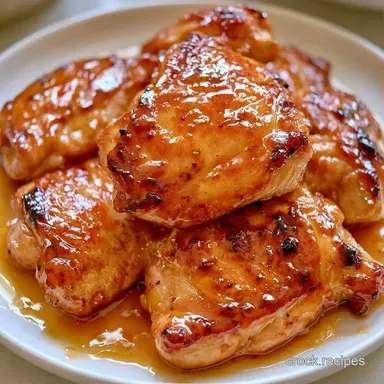
Sticky Chicken Thighs with Honey
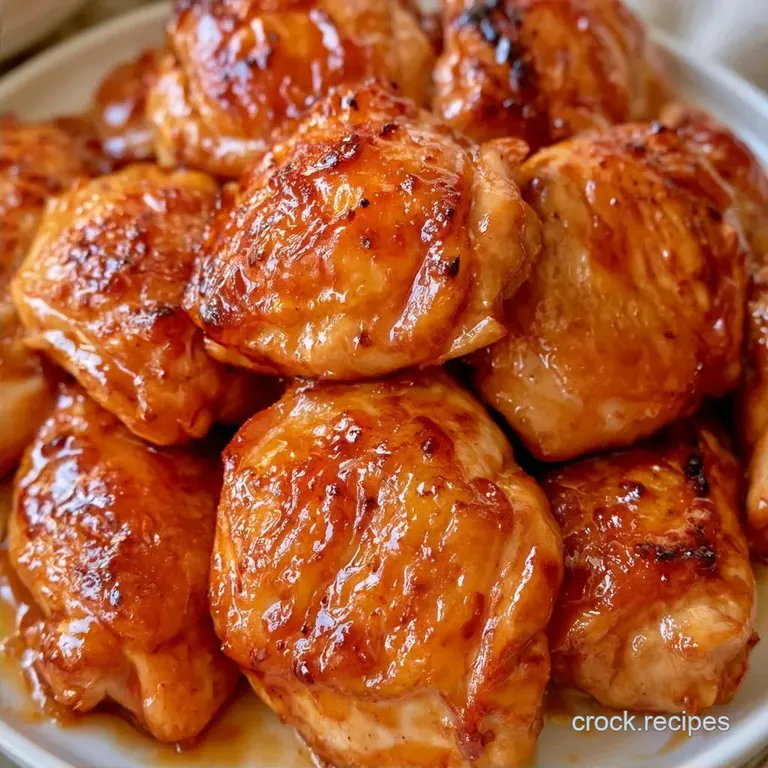
- Time: 10 min prep + 25 min heat
- Taste Profile: Mahogany glaze with a salty sweet punch
- Perfect for: A filling weekday meal with a gourmet touch
Few things beat the aroma of garlic and honey sizzling in a cast iron skillet to draw people into the kitchen. I once believed "sticky" chicken required simmering the meat for an hour, but that often results in overcooked chicken and a thin sauce.
The key is the honey; it has a heavier body than maple syrup, providing that signature tacky grip that clings to the meat instead of sliding off.
Using a thin substitute or poor quality honey will strip away that characteristic gloss, leaving you with a sauce that feels more like a soup than a glaze. I've discovered that balancing the honey's sweetness with the sharp tang of apple cider vinegar is what makes this dish feel like savory comfort food rather than a dessert.
You can expect beautifully rendered, crisp skin lacquered in a rich, dark sauce. These Sticky Chicken Thighs are satisfyingly hearty and a bit messy to eat, which is exactly how they should be. Now, let's dive into how to actually achieve that perfect texture.
Why the Glaze Actually Sticks
The over High heat Sear: Browning the skin first creates a textured surface that the sauce can grip onto, instead of just sliding off a steamed piece of meat.
Sugar Reduction: Boiling the honey and soy mixture reduces the water content, turning a thin liquid into a thick, glossy syrup that clings to the protein.
The Butter Finish: Stirring in cold butter at the end creates an emulsion that gives the sauce a professional, rich sheen.
Tools for the Job
The equipment list is minimal, though a cast iron skillet is my favorite choice. Its superior heat retention compared to stainless steel helps you achieve a rich mahogany skin without the meat sticking. Alternatively, any oven safe pan with a heavy base will work well.
I also suggest a digital meat thermometer to guarantee the meat reaches a safe internal temperature without becoming overcooked and tough. A bowl and a whisk for the sauce are the only other items you'll need.
Ingredient Deep Dive
| Ingredient | Role | If You Don't Have It |
|---|---|---|
| Honey | Thickener & Sweetener | Maple syrup (more earthy, less sticky) |
| Soy Sauce | Salt & Umami | Tamari (GF option, slightly saltier) |
| AC Vinegar | Acidity to cut fat | Rice vinegar (milder flavor) |
| Unsalted Butter | Gloss & Richness | Ghee or neutral oil (less flavor) |
Recipe Specs
Before we start, here is a quick look at how this fits into your schedule. This recipe is built for efficiency, taking you from raw meat to a plated dinner in about 35 minutes.
| Fresh Ingredient | Shortcut Version | The Trade off |
|---|---|---|
| Minced Fresh Garlic | Garlic Powder | Less punchy, more uniform taste |
| Grated Fresh Ginger | Ground Ginger | Woodier flavor, less zing |
| AC Vinegar | White Vinegar | Much sharper, less fruity |
The total time is 35 minutes, with 10 minutes of prep and 25 minutes of active cooking. This makes it one of the quickest ways to get a high impact meal on the table.
Ingredients and Easy Swaps
- 2 lbs boneless, skin-on chicken thighs Why this? Retaining the skin keeps the meat moist while finishing in the oven
- 1 tsp kosher salt
- ½ tsp ground black pepper
- 1 tbsp neutral oil (such as avocado or canola)
- ⅓ cup honey Why this? This provides the signature floral sweetness and sticky glaze
- ¼ cup reduced sodium soy sauce
- 2 tbsp apple cider vinegar
- 3 cloves garlic, minced
- 1 tsp fresh ginger, grated
- 1 tbsp unsalted butter, softened
If you prefer a different flavor, feel free to swap the honey for brown sugar, but include a small extra splash of vinegar to balance the richness. For searing, avoid extra virgin olive oil as it can smoke and taste bitter at the high heat necessary for Sticky Chicken Thighs.
Step by step Cooking
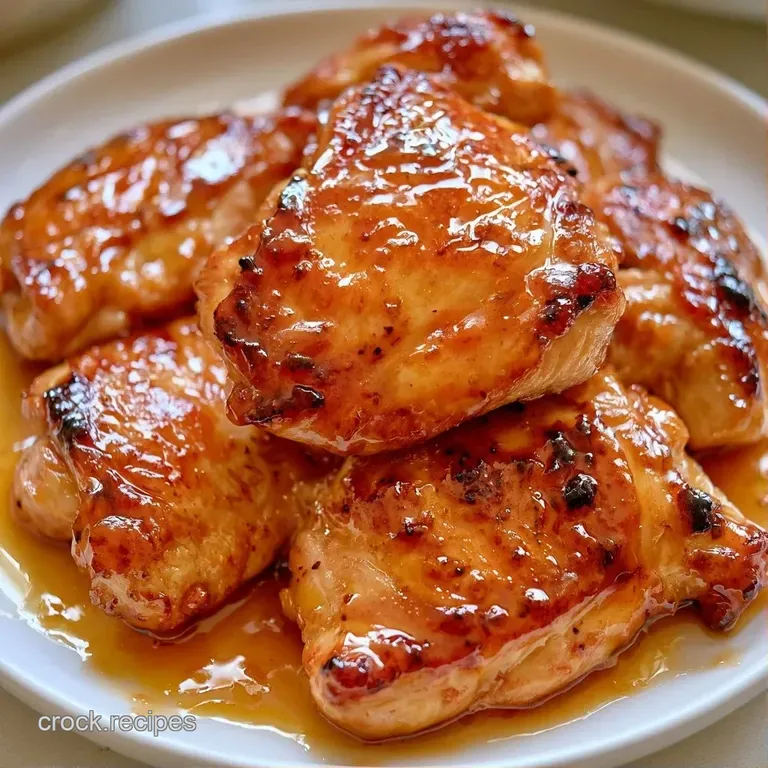
- Pat the chicken thighs bone dry with paper towels. Note: Any moisture on the skin will steam the meat instead of searing it.
- Season both sides of the meat generously with salt and pepper.
- Heat oil in a cast iron skillet over medium high heat until it starts to shimmer.
- Place thighs skin side down, press firmly for 30 seconds, and sear until golden brown and releasing easily (about 5–7 minutes).
- Flip the meat and sear the other side for 3 minutes.
- Whisk honey, soy sauce, vinegar, garlic, and ginger in a bowl.
- Pour the mixture over the chicken in the skillet and stir in the softened butter.
- Let the sauce bubble and reduce for 3–5 minutes, spooning the liquid over the chicken constantly.
- Get your oven hot at 400°F (200°C) and transfer the skillet inside for 8–10 minutes.
- Remove once the meat hits 165°F (74°C) and the glaze is thick and glossy.
Solving Common Problems
Sauce Burning Too Fast
Because honey is mostly sugar, it can turn from a glaze to a burnt crust in seconds. If you see the sauce darkening too quickly or smelling scorched before the chicken is done, stir in 1 tbsp of water. This thins the sugar concentration and buys you a few more minutes of cooking time.
Skin Not Getting Crispy
This usually happens if the pan wasn't hot enough or if the chicken was damp. If you find the skin is pale, don't be afraid to leave it skin side down for an extra minute. Trust your eyes more than the timer, and wait for that deep golden color before you flip.
Meat Not Reaching Temperature
If the glaze is thick but the meat is still underdone, don't keep boiling the sauce on the stove. Instead, pop the skillet back in the oven for another 3–5 minutes. This cooks the meat through without evaporating all the sauce.
Adjusting the Portion Size
If you are preparing a half portion of Sticky Chicken Thighs, choose a smaller skillet. Using a pan that is too large for a small amount of sauce will cause the liquid to evaporate too rapidly, leaving the pan dry. Cut the stovetop reduction time by roughly 20% to stop the honey from burning.
For double or triple batches, avoid overfilling the pan. If the meat is packed too tightly, it will release moisture and boil instead of searing. Brown the chicken in several turns, then combine everything in a larger baking dish or an oversized skillet for the oven finish.
Use about 1.5 times the original amount of salt and spices instead of doubling them, as the soy sauce can become too dominant in larger quantities.
| Goal | What to change |
|---|---|
| Spicy | Add 1 tsp chili flakes |
| Tangier | Increase vinegar by 1 tbsp |
| Thicker | Reduce sauce 2 mins longer |
Storage and Leftover Tips
Store these in an airtight glass jar in the fridge for 3 to 4 days. For reheating, try to avoid the microwave, as it can make the skin rubbery. Instead, place them in a skillet over medium heat and add a tiny splash of water.
Cover the pan for 2 minutes to steam the meat, then uncover it so the glaze can thicken back up.
To reduce waste, don't throw away the remaining glaze in the pan it's concentrated flavor. I typically scrape it into a small jar to use as a tofu marinade or a quick stir fry sauce base later in the week. If any chicken skin fell off, fry it in a little oil until it's crisp like a chip.
Different Ways to Make It
If you're looking for something different, my soy sauce chicken is a great alternative that focuses more on the salty side of the spectrum. For those who prefer the air fryer, you can sear the thighs in a pan first, then cook them at 375°F for about 12–15 minutes, brushing on the glaze during the last 5 minutes of cooking.
You can also add a spicy kick by whisking in a tablespoon of Sriracha or Gochujang into the honey mixture. This adds a fermented depth that cuts through the richness of the butter. For a more "forest" flavor, swap the ginger for a teaspoon of Dijon mustard.
What to Serve With It
The best way to eat Sticky Chicken Thighs is over a bed of fluffy jasmine rice. The rice acts like a sponge for any extra glaze that drips off the meat. A side of steamed bok choy or charred broccoli provides a fresh, bitter contrast that balances the sweetness of the honey.
For a dinner party, these go well alongside creamy chicken meatballs if you're serving a variety of appetizers. I personally love adding a sprinkle of toasted sesame seeds and sliced green onions on top right before serving. It adds a bit of crunch and a pop of color that makes the dark glaze look even more satisfying.
Trust me, the combination of the salty soy and the sticky honey is hard to beat. It's a hearty, satisfying meal that doesn't require a professional kitchen to pull off. Just remember to pat that chicken dry, and you're good to go.
Recipe FAQs
How do you make the chicken thighs sticky?
Sear the thighs skin side down, then simmer them in a honey soy glaze before finishing in a 400°F oven. The reduction process concentrates the sugars to create a tacky coating.
What is the secret to the glossy finish?
Stir in softened butter before transferring the pan to the oven. This emulsifies the glaze for a professional sheen; you can apply this same fat-based gloss technique in our Cream Cheese Chicken.
Which sauce ingredients create the stickiness?
Honey and soy sauce provide the sugars and salts needed for caramelization. Apple cider vinegar adds a tangy balance that prevents the glaze from tasting too heavy.
Is it true that you can skip searing the skin?
False. Searing develops a deep flavor crust and ensures the skin doesn't turn rubbery during the final bake.
Can I substitute the cast iron skillet?
Use any heavy bottomed, oven safe pan. A stainless steel skillet works well to achieve the same golden brown sear.
Does the chicken need to be bone-in for this recipe?
Actually, no. Boneless, skin-on thighs are the best choice here for faster cooking and easier eating.
Why is patting the meat dry essential?
Excess moisture creates steam instead of a sear. Patting the chicken bone dry ensures the skin crisps up and releases easily from the pan.
Sticky Chicken Thighs 2