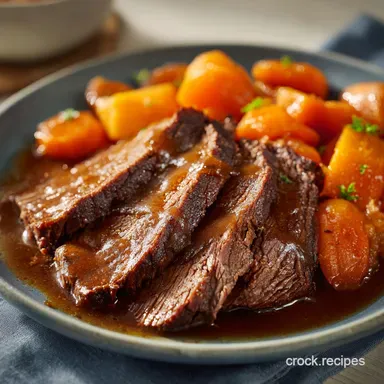
The Perfect Crock Pot Roast: Tender and Savory
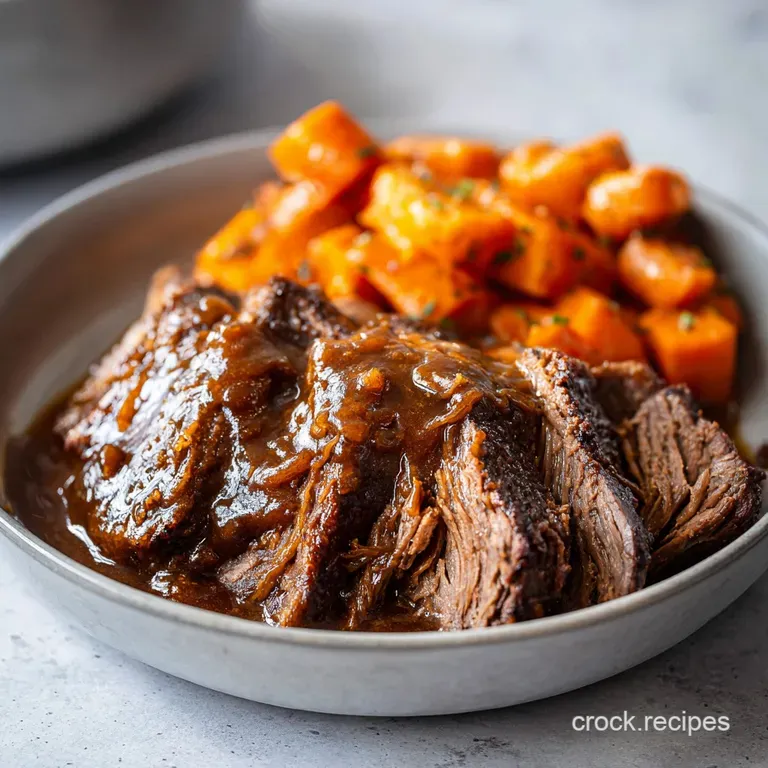
- Time:15 minutes active + 8 hours cooking = Total 8 hours 15 mins
- Flavor/Texture Hook: Velvety, shreddy beef with a glossy, savory brown gravy
- Perfect for: Sunday family dinners, cozy winter nights, or effortless meal prep
- How to make the perfect crock pot roast
- Why this roast stays velvety
- Breaking down the components
- The essential gear list
- Ingredient list and swaps
- Step by step cooking guide
- Common mistakes and fixes
- Troubleshooting Common Issues
- Adjusting for different sizes
- Rooting out the myths
- Saving leftovers and scraps
- Serving suggestions for dinner
- High in Sodium
- Recipe FAQs
- 📝 Recipe Card
That specific sound, the aggressive sizzle when a salted piece of beef hits a screaming hot skillet, is where the magic starts. For me, that sound is a time machine. It takes me right back to my grandmother's kitchen on a rainy Sunday afternoon in October. The house didn't just smell like food; it smelled like safety.
The aroma of searing beef and woody rosemary would seep into the curtains and the carpets, signaling to everyone in the house that something special was happening in the slow cooker.
Pot roast is more than just a meal in American culture, it's a ritual. It represents the transition from the chaos of the week to the stillness of the weekend. Growing up, the roast was the anchor of the day.
We'd wake up to that low, humming scent of slow cooking meat and root vegetables, and the anticipation would build for eight hours until the meat finally surrendered and became tender.
I'm sharing this because I've seen too many people treat the slow cooker like a "dump and forget" bucket. While that works for some things, if you want the perfect crock pot roast, you need a few strategic moves. We're talking about the sear, the layering, and the gravy finish.
Trust me on this, taking an extra ten minutes at the start makes the difference between a gray piece of boiled meat and a rich, mahogany masterpiece.
How to make the perfect crock pot roast
When we talk about a "perfect" roast, we're really talking about the breakdown of tough fibers into something silky. Most people struggle because they choose the wrong meat or they rush the process. I always have the best luck with a chuck roast. It is the best cut of meat for slow cooking because it's packed with connective tissue that melts away over several hours, basting the meat from the inside out.
The secret to this version is the balance of acidity and umami. Using a mix of beef broth, Worcestershire, and a splash of soy sauce creates a deep, savory base that penetrates the beef.
If you just use water or plain broth, you end up with a dish that tastes "flat." By layering the flavors and properly searing the exterior, you build a foundation of taste that carries through the entire eight hour stretch.
But what about the vegetables? The biggest tragedy in a slow cooker is a carrot that has turned into mush. I've learned the hard way that placement matters. By putting the heavier root vegetables at the bottom and the meat on top, the veggies steam in the juices without being crushed or overcooked into a paste.
It's a simple shift, but it's what makes this recipe feel like it came from a professional kitchen rather than a gadget.
Why this roast stays velvety
The magic happens when heat and time work together to change the structure of the meat. It's not just about "cooking" the beef, it's about transforming it.
- Connective Tissue Melt: The collagen in the chuck roast slowly turns into gelatin, which gives the meat that silky, melt in-your mouth feel.
- The Sear Effect: Browning the meat creates a crust that adds depth and a rich, savory flavor to the overall pot.
- Low Temp Hydration: Cooking on "Low" prevents the muscle fibers from tightening up too quickly, keeping the meat juicy instead of rubbery.
- Starch Thickening: Using a cornstarch slurry at the end binds the fats and liquids into a glossy, velvety gravy.
| Method | Time | Texture | Best For |
|---|---|---|---|
| Classic Low | 8 hours | Velvety / Shreddy | Maximum tenderness |
| High Heat | 4-5 hours | Firm / Sliced | When you're in a rush |
| Pressure Cooker | 90 mins | Soft / Tender | Ultra fast weeknights |
Breaking down the components
Every ingredient in this pot has a job. If you remove one, you change the chemistry of the sauce.
| Ingredient | Science Role | Pro Secret |
|---|---|---|
| Beef Chuck | Primary Protein | Look for heavy white marbling for more juice |
| Soy Sauce | Umami Booster | Adds a saltiness that beef broth alone lacks |
| Yukon Gold | Starch Stabilizer | They hold their shape better than Russets |
| Cornstarch | Thickening Agent | Always mix with cold water first to avoid lumps |
The essential gear list
You don't need a kitchen full of gadgets for this, but a few basics make the process smoother. I prefer a heavy bottomed stainless steel skillet for the sear because it distributes heat evenly and doesn't warp. If you have a cast iron pan, even better, as it holds onto the heat and gives the beef a better crust.
Of course, you'll need your slow cooker. Whether it's a ceramic crock or a digital model, just make sure it has a tight fitting lid. A loose lid lets too much moisture escape, which can lead to dry meat. I also recommend a pair of sturdy tongs for flipping the roast and a whisk for the final gravy stage.
If you're looking for other ways to use your gear, you might enjoy my Cream Cheese Chicken which uses similar slow cooking principles to create a rich, creamy result. Using the right tools is about making the process effortless, not adding more dishes to the sink.
Ingredient list and swaps
Here is everything you need. I've kept this focused on fresh, punchy ingredients that bring out the best in the beef.
- 3 lbs beef chuck roast Why this? High fat and collagen content for maximum tenderness
- 2 tbsp vegetable oil Why this? High smoke point for searing
- 1 tsp kosher salt
- 1 tsp coarse black pepper
- 2 tbsp all purpose flour Why this? Helps the sear stick and thickens the base
- 1 lb carrots, peeled and cut into 2 inch chunks Why this? Larger chunks prevent mushiness
- 1.5 lbs Yukon Gold potatoes, halved Why this? Waxy texture stays intact
- 1 large yellow onion, quartered
- 4 cloves garlic, smashed
- 2 cups low sodium beef broth Why this? Controls salt levels so you can season to taste
- 2 tbsp Worcestershire sauce
- 1 tbsp soy sauce
- 2 sprigs fresh rosemary
- 3 sprigs fresh thyme
- 2 tbsp cornstarch
- 2 tbsp cold water
| Original Ingredient | Substitute | Why It Works |
|---|---|---|
| Yukon Gold Potatoes | Red Potatoes | Similar waxy texture. Note: Slightly sweeter flavor |
| Beef Broth | Red Wine + Broth | Adds acidity and depth. Note: Use 1 cup of each |
| Fresh Rosemary | Dried Rosemary | Same aromatic profile. Note: Use 1 tsp instead of 2 sprigs |
| All purpose Flour | Cornstarch | gluten-free option. Note: Use less as it's more potent |
Step by step cooking guide
Let's crack on. Follow these steps exactly for the perfect crock pot roast.
- Pat the beef chuck roast dry with paper towels. Season generously with salt and pepper, then lightly dredge in all purpose flour. Note: Dry meat sears better; wet meat steams.
- Heat vegetable oil in a skillet over medium high heat. Sear the roast for 3–5 minutes per side until a deep mahogany crust forms. Transfer the meat to the slow cooker.
- Arrange the quartered onions, halved potatoes, and carrots around and underneath the beef in the slow cooker. Note: Veggies on bottom act as a trivet for the meat.
- Pour the beef broth, Worcestershire sauce, and soy sauce over the meat and vegetables. Tuck in the fresh rosemary and thyme sprigs.
- Cover and cook on Low for 8 hours, until the beef is tender enough to be pulled apart with a fork.
- Remove the meat and vegetables carefully to a serving platter and tent with foil to keep warm.
- Strain the remaining liquid into a saucepan and bring to a simmer over medium heat.
- Whisk together cornstarch and cold water to create a slurry. Stir the slurry into the simmering liquid and cook for 2–3 minutes until the gravy is thick and glossy.
Common mistakes and fixes
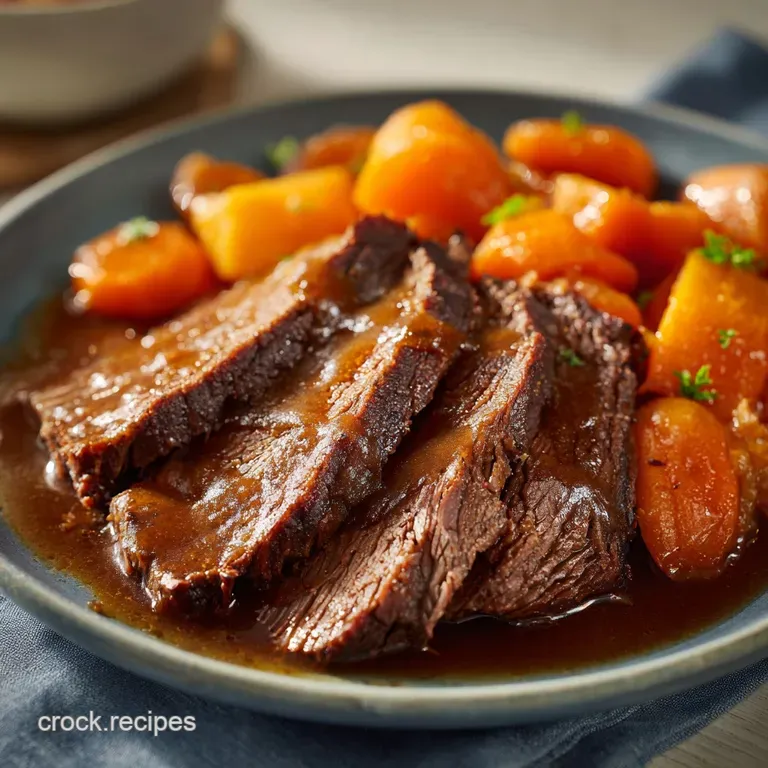
Even for seasoned cooks, a few things can go sideways. The most common issue is meat that is "done" but not "tender." This usually happens when the meat is cooked on High for too short a time, leaving the collagen intact. If you try to shred the meat and it resists, just put it back in for another hour.
Another frequent gripe is the "watery" sauce. This happens when you add too much liquid or don't use a slurry at the end. Remember, the beef and vegetables will release their own juices, so don't drown the roast in broth.
Troubleshooting Common Issues
| Issue | Solution |
|---|---|
| Why Your Meat is Tough | If the beef is rubbery, it likely hasn't hit the internal temperature where collagen breaks down. Give it more time on Low. |
| Why Your Veggies are Mushy | Cutting carrots too small or placing them on top of the meat can lead to overcooking. Stick to 2 inch chunks. |
| Why Your Gravy is Lumpy | Adding cornstarch directly to hot liquid creates clumps. Always make a cold water slurry first. |
Mistakes Checklist:
- ✓ Did I pat the meat dry before searing?
- ✓ Are the carrots cut into 2 inch chunks?
- ✓ Did I place vegetables under the meat?
- ✓ Did I use cold water for the cornstarch slurry?
- ✓ Did I let the meat rest before shredding?
Adjusting for different sizes
Scaling a slow cooker recipe isn't always a linear process. If you're cutting the recipe in half, don't just halve the time. The meat still needs those hours for the collagen to melt.
Scaling Down (1.5 lbs beef): Use a smaller slow cooker if possible. Reduce the liquid by 30% because there's less surface area for evaporation. The cook time should remain around 7-8 hours on Low, though it may be ready slightly sooner.
Scaling Up (6 lbs beef): If you're using a giant 7 quart or 8 quart pot, you can double the meat. However, don't double the salt and spices; start with 1.5x and taste the gravy at the end. Ensure the meat isn't packed too tightly, or the heat won't circulate, leading to uneven cooking.
Right then, a quick tip for those doubling the recipe: work in batches for the sear. If you crowd the pan with too much meat, the temperature drops, and you'll get gray meat instead of a crust.
Rooting out the myths
There's a lot of "kitchen lore" about pot roast that just isn't true. Let's clear some things up.
Myth: Searing seals in the juices. This is the biggest lie in cooking. Searing doesn't create a waterproof seal. In fact, meat loses more moisture during the searing process.
The reason we do it is for the flavor that rich, browned crust adds a depth that you simply cannot get from slow cooking alone.
Myth: You must use a specific "Slow Cooker" roast. There is no such thing. Any chuck roast or brisket will work. The key is the fat content. If you buy a lean cut, your roast will be dry no matter how long you cook it. Always go for the one with the white streaks of fat.
Saving leftovers and scraps
The perfect crock pot roast is almost better the next day. To store, let the meat and vegetables cool slightly, then place them in an airtight container with a generous amount of the gravy. This prevents the beef from drying out in the fridge. It'll stay great for about 3-4 days.
If you want to freeze it, I suggest freezing the meat and gravy together in a freezer bag. It lasts up to 3 months. When you're ready to eat, thaw it in the fridge overnight and reheat it slowly on the stove over low heat. Avoid the microwave if you can, as it can make the beef rubbery.
Zero Waste Tips: Don't throw away those leftover bone fragments or the brown bits at the bottom of the pot. If you have a bone in roast, simmer that bone with some water and scrap carrots for 4 hours to make a rich, homemade beef stock.
You can also use any leftover shredded beef for a killer beef taco or a hearty roast beef sandwich with melted provolone.
Serving suggestions for dinner
Presentation matters, even for a rustic dish. Instead of just scooping everything out of the pot, I like to arrange the meat on a large platter, surround it with the carrots and potatoes, and pour the glossy gravy over the top. A sprinkle of fresh parsley adds a pop of color that cuts through the richness.
For a side, a simple mashed cauliflower or a crisp green salad with a lemon vinaigrette works well. The acidity of a salad balances the heavy, savory notes of the beef. If you're hosting a larger crowd and want a variety of textures, you could serve a side of Lemon Chicken Gnocchi for those who want something lighter.
If you want a different vibe, try serving the roast over a bed of buttery polenta or creamy grits. The way the brown gravy soaks into the polenta is absolutely heavenly. Just remember to keep the meat and the gravy together they're a team, and separating them for too long will leave the beef feeling dry.
High in Sodium
945 mg 945 mg of sodium per serving (41% 41% of daily value)
The American Heart Association recommends a daily limit of 2,300mg of sodium, with an ideal limit of 1,500mg for most adults to reduce the risk of cardiovascular disease.
Tips to Reduce Sodium
-
Swap the Broth-30%
Replace the low-sodium beef broth with homemade unsalted beef stock or water mixed with extra aromatics for a significant reduction.
-
Reduce Added Salt-25%
Reduce or eliminate the 1 tsp of kosher salt; the beef and sauces already provide a substantial amount of sodium.
-
Coconut Aminos Swap-20%
Substitute the soy sauce with coconut aminos, which typically contains significantly less sodium while maintaining a similar umami flavor.
-
Modify the Worcestershire-20%
Replace the Worcestershire sauce with a combination of balsamic vinegar and a pinch of brown sugar to mimic the tangy, sweet profile.
-
Boost the Aromatics
Increase the fresh rosemary and thyme, or add a squeeze of fresh lemon juice at the end to brighten the flavor without adding salt.
Recipe FAQs
What is the secret to a good pot roast?
Searing the meat and using a cornstarch slurry. Searing creates a mahogany crust for deep flavor, while the slurry prevents a watery sauce. If you loved the depth of the beef broth here, see how we create a similarly rich base in our turkey stock.
What are common mistakes when making crock pot roast?
Cooking on high for too short a time or adding excessive liquid. High heat often leaves collagen intact, making the meat tough, while too much broth results in a thin, flavorless gravy.
What liquid is best for a pot roast?
A combination of beef broth, Worcestershire sauce, and soy sauce. This mixture provides the necessary salt and umami to season the beef and vegetables throughout the long cooking process.
What temperature and how long for pot roast in a crock pot?
Cook on Low for 8 hours or High for 4 5 hours. The roast is finished when the beef is tender enough to be pulled apart easily with a fork.
Is it true that searing the meat is optional for a slow cooker roast?
No, this is a common misconception. Searing creates essential flavor compounds that cannot be developed during the moist heat environment of a slow cooker.
How to fix pot roast that is done but still tough?
Return the meat to the slow cooker for another hour. This additional time allows the remaining connective tissue to break down, ensuring the beef becomes tender.
Can I use different vegetables in the roast?
Yes, provided they have similar cooking times. Stick to hearty root vegetables like the listed carrots and potatoes so they don't turn to mush before the beef is tender.
The Perfect Crock Pot Roast