Sunshine in a Bowl Creamy Coconut Fish Curry with Kaffir Lime Lemongrass
- Escaping the Ordinary: Why This Lemongrass-Infused Fish Curry Shines
- The Soul of Southeast Asia: Unpacking Our Velvety Coconut Fish Curry Base
- Curating the Catch: Selecting Your Perfect White Fish Fillets
- The Aromatic Orchestra: Assembling the Essential Spice Paste Elements
- Building Depth: Sautéing the Fragrant Foundations of Your Curry
- Simmering Perfection: Introducing the Fish and Achieving Tender Results
- Maximizing Leftovers: Storing and Reviving Your Delicious Coconut Fish Curry
- Elevating the Plate: Serving Suggestions Beyond Basic Rice
- Recipe FAQs
- 📝 Recipe Card
Escaping the Ordinary: Why This Lemongrass Infused Fish Curry Shines
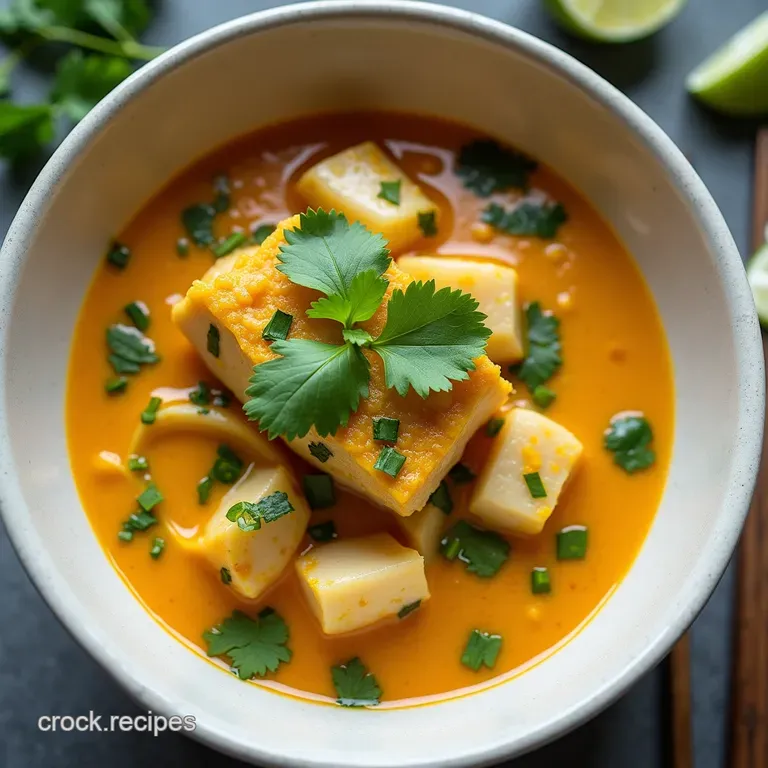
There are comfort foods, and then there are transportive comfort foods. Our Sunshine in a Bowl: Creamy Coconut Fish Curry with Kaffir Lime & Lemongrass falls firmly into the latter category. If your weeknight rotation needs a serious injection of brightness and aromatic complexity, look no further.
This recipe isn't just about heating ingredients; it's about layering the purest, zingiest flavours inspired by the best of the Southeast Asian Fish Curry tradition.
Forget heavy, overly thick sauces; this iteration is luxuriously creamy thanks to full fat coconut milk, yet remains surprisingly light on the palate, balanced perfectly by the sharp tang of fresh lime.
It’s quick enough clocking in under 45 minutes total to transform a standard Tuesday dinner into something genuinely special, offering a vibrant culinary vacation without ever leaving your kitchen.
The Soul of Southeast Asia: Unpacking Our Velvety Coconut Fish Curry Base
What elevates a standard fish preparation into a memorable Coconut Fish Curry Recipe ? It's the meticulous balance struck between richness and acidity. We are building a foundation that respects the vibrant profile often found in Thai and Malaysian cooking, focusing on fresh aromatics rather than relying solely on pre-made powders.
This approach ensures that when you take that first bite of this Fish Curry with Coconut Milk , you immediately recognize the lift provided by fresh citrus notes cutting through the luxurious creaminess.
Beyond Basic Red: The Aromatic Profile You Need
While many recipes stop at simply adding curry paste to liquid, true depth requires 'blooming' the spices. We are using a high-quality red curry paste as our starting point, but we amplify it significantly with fresh additions.
The inclusion of potent ginger, pungent garlic, and, crucially, bruised Lemongrass Coconut Fish stalks is what transforms the experience. These fresh components release essential oils slowly during the simmer, contributing a distinct citrusy herbal note that is absolutely central to achieving that sought after, complex flavour profile.
Instant Vacation Mode: Setting the Scene for Your Cook
To truly enjoy this cooking process, approach it with intention. We’ve estimated about 20 minutes of active prep time, which is mostly dedicated to chopping and prepping these aromatics. Take the time to properly trim and bruise the lemongrass this step is non-negotiable.
The goal is to crack the tough exterior fibers so that the fragrant heart can infuse your sauce fully. Think of this preparation phase as setting the stage for a stunning Vibrant Fish Curry performance.
Curating the Catch: Selecting Your Perfect White Fish Fillets
The star protein needs to be firm enough to withstand a gentle simmer without dissolving immediately. For this particular recipe, we call for about 1.5 lbs of firm white fish, such as cod, halibut, or haddock, cut into generous 1.5 inch chunks.
These selections offer a meaty texture that holds up well against the sauce while remaining delicate enough to cook quickly. When sourcing, aim for fresh cuts, as the quality of the fish drastically impacts the final flavour profile of your Easy Coconut Fish Curry .
Because we are incorporating this directly into the simmering sauce, avoid thin, delicate fillets that might break apart during the short cooking time.
The Aromatic Orchestra: Assembling the Essential Spice Paste Elements
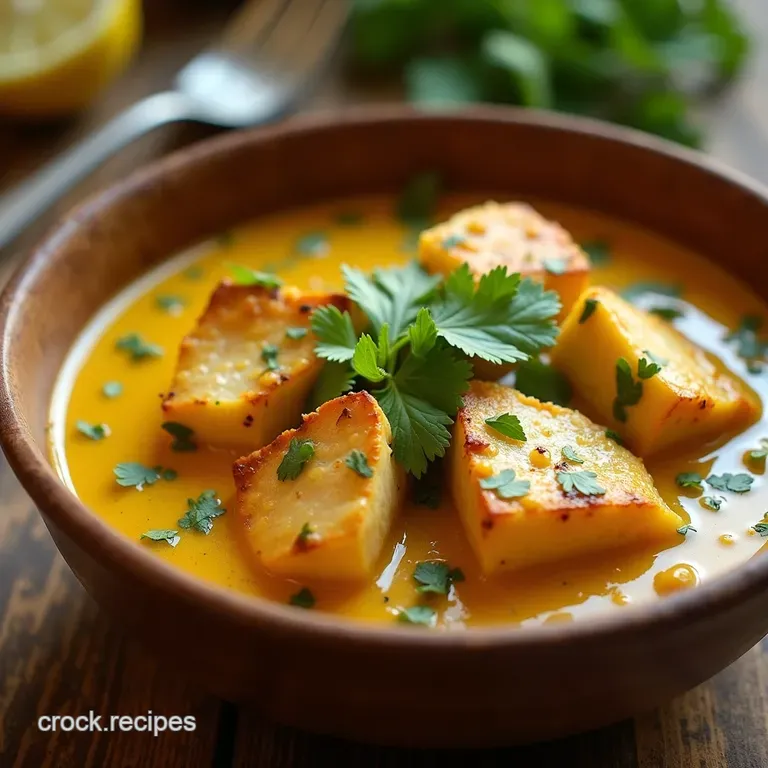
Crafting this sauce is about timing and quality ingredients. You'll need two tablespoons of a neutral oil to start things off, allowing the base elements to sizzle without burning.
Once your shallots are soft, in go the minced garlic, grated ginger, sliced chillies (use 1-2 for a nice warmth, adjusting for your preferred heat level), and those prepared lemongrass stalks. After a quick minute of fragrant sautéing, you introduce the 3 tablespoons of good quality red curry paste.
Must Have Produce for Peak Freshness (Lime & Lemongrass)
The role of the citrus elements cannot be overstated in this recipe. We incorporate the bruised lemongrass early to infuse the fat and oil, but the final, sharp zing comes from Fresh Lime Juice added right at the end.
Simultaneously, we use four torn Kaffir Lime Leaves during the simmer phase. These leaves contribute a uniquely floral, almost perfumed aroma that distinguishes authentic Southeast Asian cooking.
Stocking the Pantry: Choosing the Right Coconut Milk Consistency
When it comes to the richness, there is no substituting Full Fat Coconut Milk . Avoid "lite" versions entirely. You need the high fat content for true mouthfeel and to help stabilize the sauce later on. A standard 13.5 oz (400ml) can is perfect for this four serving recipe.
A pro tip here: Do not shake the can before opening. You want the thick cream layer at the top to separate slightly from the watery liquid beneath, which aids in the flavour building process.
Essential Kitchenware for Curry Mastery
This isn't the time for a delicate, thin saucepan. You’ll want a large Dutch oven or a deep, heavy bottomed saucepan. The heavy base distributes heat evenly, preventing your aromatics from scorching during the paste blooming stage and, more importantly, helping to maintain a stable temperature when you introduce the dairy based coconut milk.
Related Recipes Worth Trying
- SouthernStyle Crispy Fried Catfish Golden Crunch Recipe — Learn how to make the best crispy fried catfish fillets with our foolproof buttermilk marinade and cornmeal dredge Perfectly golden and nonsoggy every time
- 25Minute Garlic Butter Baked Cod Recipe Flavorful Weeknight Fish — This Garlic Butter Cod Oven recipe is the weeknight fish dinner hero you need Flaky buttery and simple elegance ready in under 30 mins Get the foolproof...
- Easy Creamy Coconut Mojito Recipe Tropical Summer Drink — Ditch the standard cocktail This easy Coconut Mojito Recipe adds rich coconut cream for a velvety tropical twist Ready in 5 minutesperfect summer drink
Building Depth: Sautéing the Fragrant Foundations of Your Curry
Once your oil is shimmering, the shallots go in until translucent about three minutes. Then, add the garlic, ginger, chillies, and that crucial bruised lemongrass. Allow these to cook together for just one minute until the air is thick with scent.
The next step, the bloom, is where magic happens: stir in the red curry paste and cook it, stirring constantly, for two full minutes. You’ll notice the paste darkens slightly and the oil around it becomes brilliantly coloured and intensely fragrant.
This toasting process unlocks the deep, earthy flavours of the paste’s dried spices.
Simmering Perfection: Introducing the Fish and Achieving Tender Results
With the paste bloomed, it’s time to build the liquid base. Pour in one cup of low-sodium fish or vegetable broth, scraping the bottom of the pot to lift any flavourful fond. Next, introduce the full can of coconut milk, the torn kaffir lime leaves, and a teaspoon of brown sugar to balance the eventual acidity.
Bring this mixture just to a gentle simmer.
The Gentle Bloom: Activating Your Curry Paste Aromatics
Once the sauce is gently simmering, reduce the heat to low, cover partially, and let it bubble quietly for a solid 10 minutes. This allows the robust flavours of the lemongrass and kaffir lime leaves to fully infuse the coconut base, creating a richly perfumed liquid for our Coconut Lime Fish Curry .
Stir in one tablespoon of fish sauce our salty umami foundation just before adding the protein.
Temperature Control: Ensuring Your Coconut Milk Doesn't Split
When adding the fish chunks, remember that the sauce must remain at a gentle simmer, not a rolling boil. Rapid boiling is the number one reason coconut milk splits, resulting in a grainy texture rather than the velvety finish we are aiming for. Gently nestle the fish into the liquid.
Final Flavor Adjustments: Balancing Zest, Salt, and Sweetness
Let the fish cook gently, uncovered, for about 4 to 7 minutes, depending on its thickness, until it’s opaque and flakes easily. Once cooked, remove and discard the tough lemongrass stalks. Now is the moment for precision: stir in the 3 tablespoons of freshly squeezed lime juice. Taste it.
Does it need more punch? Add another splash of lime or a dash more fish sauce. This careful final balance is what distinguishes a good curry from a magnificent one.
Maximizing Leftovers: Storing and Reviving Your Delicious Coconut Fish Curry
This Coconut Fish Curry actually tastes even better the next day, as the flavours have more time to meld overnight. Allow the curry to cool completely before transferring it to an airtight container. It will keep beautifully in the refrigerator for up to three days.
When reheating, use the same gentle, low heat you used for cooking the fish initially. Avoid microwaving on high power, as this can cause the sauce to separate.
Protein Swaps: Adapting this Recipe for Salmon or Shrimp
Should you wish to deviate from white fish, adaptation is simple. For larger Shrimp or Prawns , reduce the simmering time significantly; they only require 2- 3 minutes once added to the hot sauce.
If you opt for Salmon, which has a richer flavour, you might wish to slightly increase the amount of lime juice or curry paste to ensure its robust flavour profile isn't overwhelmed.
Spice Level Control: Tips for Managing Heat Intensity
The heat primarily comes from the red Thai chillies you add and the heat level of your initial jarred curry paste. To dial it down for a milder palate, use only half a chilli and remove the seeds entirely.
Conversely, if you crave fire, add a teaspoon of dried bird’s eye chilli flakes during the paste blooming stage for an extra kick that complements this Green Curry Fish Recipe style flavour profile perfectly.
Freezing Feasibility: Can This Curry Handle the Deep Freeze?
While fish is generally best eaten fresh, this specific preparation freezes reasonably well, provided you use a very stable fish like cod. To freeze, cool completely and store in a freezer safe bag or container, leaving about an inch of headspace. It will keep for up to one month.
Thaw overnight in the refrigerator, and reheat very gently on the stovetop, being mindful of potential slight texture changes in the fish.
Elevating the Plate: Serving Suggestions Beyond Basic Rice
While perfectly steamed Jasmine rice is the classic partner for soaking up every drop of this rich sauce, don't stop there. A scattering of roughly chopped fresh coriander (cilantro) is mandatory for visual appeal and fresh fragrance.
Consider serving alongside simple, quickly blanched green beans tossed with sesame oil to provide a fresh, crisp texture contrast to the creamy, soft fish. For a truly balanced meal, a side of thinly sliced cucumber sprinkled with a little salt offers a cooling, palate cleansing foil to the complexity of the curry.
Recipe FAQs
Can I use frozen fish instead of fresh in this Coconut Fish Curry?
Absolutely, you can! If using frozen fillets, make sure they are fully thawed and patted very dry before cutting them into chunks. Excess moisture will dilute your sauce, so drying them thoroughly is a key step before adding them to the simmering liquid.
My sauce split a little when I added the coconut milk what went wrong?
Don't panic; it happens to the best of us! This usually occurs if the heat is too high when the coconut milk is added, or if you didn't 'bloom' the curry paste enough first. To fix it, reduce the heat immediately, and gently stir in a tablespoon of warm water or broth to encourage it to emulsify back together.
How should I store leftover Coconut Fish Curry, and how long will it keep?
Pop any leftovers in an airtight container and keep them in the fridge for up to two days. It reheats beautifully on the hob over low heat; just avoid microwaving if you can, as it can sometimes make the fish a touch rubbery. It freezes reasonably well for up to a month, too!
I’m not a fan of spicy food. How can I make this curry mild without losing flavour?
That’s easily done; it’s all about controlling the chillies and paste. Use only one teaspoon of the red curry paste, and ensure you remove all seeds from any fresh chillies you use, or substitute them with sweet red bell pepper for colour.
The lemongrass and lime will still give you that lovely bright flavour profile without the burn.
What’s the best way to stop the fish from breaking up into tiny bits?
The secret lies in two stages: first, use a firm white fish like cod or haddock, which holds its shape better than flaky fish like tilapia. Second, once the fish chunks are in the simmering sauce, reduce the heat so the liquid is barely trembling a gentle simmer is essential, and avoid vigorous stirring until it’s time to serve.
Zesty Coconut Fish Curry
Ingredients:
Instructions:
Nutrition Facts:
| Calories | 1180 kcal |
|---|---|
| Protein | 14.3 g |
| Fat | 31.3 g |
| Carbs | 60.0 g |
| Fiber | 11.0 g |
| Sodium | 2826 mg |
