Brown Sugar Pound Cake with Butterscotch Glaze the Ultimate Moist Recipe
- Elevating the Classic: Why Brown Sugar is the Secret to Ultimate Moisture
- Essential Tools and Preparation Steps for Pound Cake Perfection
- Complete Ingredient List for the Deeply Moist Pound Cake
- Crafting the Perfect Batter: Mastering the Reverse Creaming Method
- Finishing Touches: Baking and Cooling Guidance
- Mastering the Spiced Butterscotch Glaze
- Frequently Asked Questions and Troubleshooting Your Bake
- Expert Tips for Making the Best Brown Sugar Pound Cake with Butterscotch Glaze
- Recipe FAQs
- 📝 Recipe Card
Elevating the Classic: Why Brown Sugar is the Secret to Ultimate Moisture
Listen, when people think of pound cake, they often think of this wonderful, but sometimes slightly dry, vanilla brick. It’s reliable. It’s classic. But it’s not exciting .
We are not making a reliable cake today. We are making a deep, dark, intensely moist masterpiece that will redefine how you view the pound cake genre entirely. And the secret, the absolute non and negotiable hero, is brown sugar.
Swap out some of that basic white granulated sugar for the brown stuff, and everything changes. You get this incredible caramelised depth a flavour you simply can't achieve otherwise. Plus, it makes the crumb unbelievably soft. Seriously, try it.
The Science of Softness: How Brown Sugar Transforms the Crumb
This is where the science geek in me comes out, so bear with me. Brown sugar, particularly the light brown sugar we use in the batter, contains molasses. Molasses is key. It's naturally acidic, which reacts beautifully with the baking powder, ensuring lift.
But more importantly, molasses is what bakers call hygroscopic .
What does that mean? It means it attracts and holds onto moisture.
When you use brown sugar in a pound cake, the molasses helps the cake retain water long after it leaves the oven. That’s how we achieve that incredibly tender texture that stays moist for four days (if it lasts that long, which it won't).
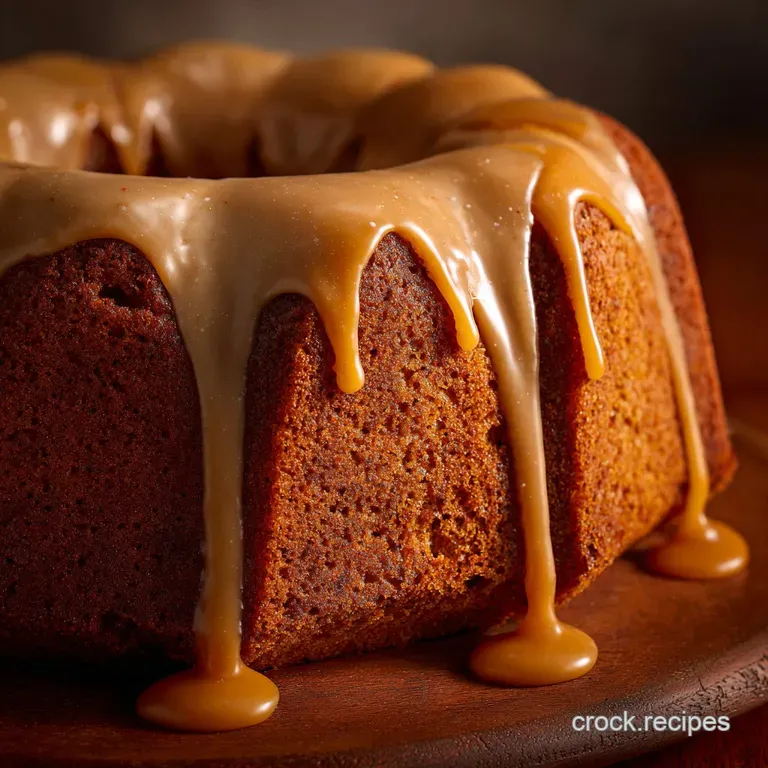
This Brown Sugar Pound Cake recipe leverages that moisture and holding power, resulting in a crumb that’s rich, heavy, yet somehow unbelievably soft.
Decadence Defined: Introducing the Spiced Butterscotch Glaze
You might think plain vanilla pound cake is fine with a simple powdered sugar drizzle. Maybe. But this brown sugar base demands something bolder. It needs a crown.
Enter the Spiced Butterscotch Glaze. This is not a cheater glaze. We are actually cooking a proper, toffee and based butterscotch sauce and then thickening it up to a pourable, glazy consistency with confectioners' sugar.
The key ingredients are dark brown sugar (for even deeper molasses notes), heavy cream, and just a little whisper of cinnamon. That spice addition is optional, but honestly, it takes it from "great" to "showstopper." It sets firm enough to hold its shape beautifully, but stays soft and buttery when you slice into it.
It’s addictive.
Why This Brown Sugar Pound Cake with Butterscotch Glaze is Your New Signature Dessert
Because it’s sophisticated comfort food. It delivers the nostalgic feeling of a classic cake but the flavour is grown and up, complex, and intensely satisfying. If you've ever struggled with a dry Bundt cake, this brown sugar caramel pound cake recipe is your salvation. It consistently turns out deeply moist.
It’s perfect for gifting, it holds up brilliantly on a dessert table, and let’s be real, the moment that glistening butterscotch glaze hits the light, people stop talking and start asking for a slice. It’s brilliant.
Essential Tools and Preparation Steps for Pound Cake Perfection
Right, let’s crack on with the practical stuff. Baking pound cake is more about technique than complex steps. The absolute hardest part is remembering to take the butter, eggs, and sour cream out of the fridge three hours before you start mixing. Seriously, don’t skip that part.
Cold ingredients equal failure. I learned that the hard way, trying to microwave butter to soften it quickly (spoiler: it separated everything).
You need to meticulously prepare your Bundt or tube pan. Meticulously. I use the "grease and flour" method for this Brown Sugar Pound Cake with Butterscotch Glaze because the molasses in the sugar makes it extra sticky.
You can use a quality non and stick spray (the kind with flour already in it), but make sure you coat every single ridge and corner.
Complete Ingredient List for the Deeply Moist Pound Cake
This cake demands good quality ingredients. We’re not masking bad flavours; we're highlighting them.
Must and Have Kitchen Equipment Checklist (Including Pan Size)
| Equipment | Why You Need It |
|---|---|
| 10 Cup Bundt/Tube Pan | Ensures the cake bakes through properly without drying the edges. Essential for structure. |
| Stand Mixer | Necessary for the long creaming stage. Your arm will thank you. |
| Small Heavy Saucepan | Critical for preparing the butterscotch glaze without scorching it. |
Sourcing the Best Ingredients: Butter, Brown Sugar, and Extract Notes
Use unsalted butter. Always. It lets you control the salt level perfectly. For the cake batter, we use light brown sugar, which provides that essential moisture and a subtle caramel note. When you transition to the glaze, however, make sure you switch to dark brown sugar .
That extra hit of molasses makes the butterscotch taste richer, deeper, and genuinely robust. Don’t skimp on the vanilla either; a pure extract makes all the difference.
Key Components for the Batter Structure
The three things that must be at room temperature? Butter, eggs, and sour cream. If any of those are cold, the fat and liquid will not emulsify correctly during the creaming stage, and your cake will be dense, like a brick you could use for home repair.
For the flour, I use standard all and purpose, but always spoon it into the measuring cup, then level it off. Don't scoop it straight from the bag; you'll pack too much in.
Everything Needed for the Robust Butterscotch Glaze
Remember that dark brown sugar I mentioned? It’s the backbone here. We are essentially making a soft toffee, so you need heavy cream. Do not substitute this with milk or half and half.
It won't thicken correctly and the resulting glaze will be watery instead of gorgeously draping the brown sugar bundt cake with butterscotch glaze. The confectioners’ sugar just helps it set up when it cools.
Crafting the Perfect Batter: Mastering the Reverse Creaming Method
Okay, this step is everything. The traditional method for pound cake requires creaming the butter and sugars until they are light and fluffy. We do that here for about five to seven minutes on medium and high speed. The mixture needs to look visibly pale and almost doubled in volume.
This is when you are physically incorporating air into the batter, which gives the cake its lift.
CRITICAL WARNING: After the butter and sugar are perfectly creamed, once you start alternating the dry ingredients (flour, salt, baking powder) and the wet ingredients (sour cream), you must stop mixing the moment the flour disappears. I mean it.
Overmixing develops gluten rapidly, especially after liquids are introduced, and that's how you get a tough, dry cake. Mix low and slow, and stop early.
Related Recipes Worth Trying
- Garlic Butter Shrimp with Broccoli Rice Healthy LowCarb Weeknight Winner — Get dinner on the table fast with our Garlic Butter Shrimp with Broccoli Rice This Easy Weeknight Shrimp Recipe is a flavorpacked Healthy Low Carb Shrimp...
- Celery snacks with ultracreamy whipped feta and lemon — Celery snacks just got sophisticated These easy celery snacks are low carb high fiber and feature a tangy whipped feta and cream cheese filling Ready in 15...
- OnePot Slow Cooker Chicken with Potatoes Green Bea Easy Herb Dinner — OnePot Slow Cooker Chicken with Potatoes Green Bea is the ultimate fussfree Crockpot Family Meal This hearty Chicken Green Beans Potatoes Crockpot recipe...
Finishing Touches: Baking and Cooling Guidance
Bake this cake low and slow at 325°F (160°C). This is key because a long bake time allows the centre of the dense batter to cook without burning the edges. Start checking it around 60 minutes. Use a long, thin wooden skewer. If it comes out clean, you're good.
If it comes out with wet batter, keep going in five and minute increments.
Once the cake is out, let it cool in the pan for exactly 15 minutes. Not 10, not 20. Fifteen minutes allows the cake structure to set against the pan walls, making it sturdy enough to hold its shape when you flip it. Then, turn it out onto a wire rack to cool completely.
You absolutely must wait until it's barely warm to the touch before you attempt the glaze application.
Mastering the Spiced Butterscotch Glaze
This butterscotch glaze for brown sugar pound cake is worth the extra five minutes of stovetop work. It's the whole reason the brown sugar caramel pound cake recipe shines.
Preparing the Brown Sugar Base: Mixing Dry and Wet Foundations
Start by melting the butter over medium heat. Don't let it brown yet, just melt it. Then, whisk in the dark brown sugar, heavy cream, cinnamon, and salt. That salt is crucial; it prevents the glaze from being cloyingly sweet. Bring it to a gentle simmer.
Achieving the Light Texture: Panning and Bake Prep
Wait I should have clarified this earlier (my bad!). When you put the batter into the Bundt pan, make sure you push it slightly up the sides of the pan. This encourages the batter to rise evenly and prevents that huge, unattractive dome/crack in the middle that some pound cakes get.
Cooking the Toffee Foundation: Temperature Tips for Optimal Glaze
Once the glaze mixture is simmering, let it bubble for about two to three minutes. You don't need a candy thermometer here, but you need to see a slight thickening. It should coat the back of a spoon lightly. The goal is to dissolve the sugar completely and develop that classic toffee flavour.
Once it looks right, pull it immediately off the heat.
The Art of Glazing: Cooling Time and Application Technique
Wait about two minutes after removing the sauce from the heat, stirring in the vanilla. Then, you whisk in the sifted confectioners' sugar. Sifting is important unless you like lumpy glazes (I don't). If the glaze is too thin, add more sugar. If it’s too thick, a tiny splash of cream will fix it.
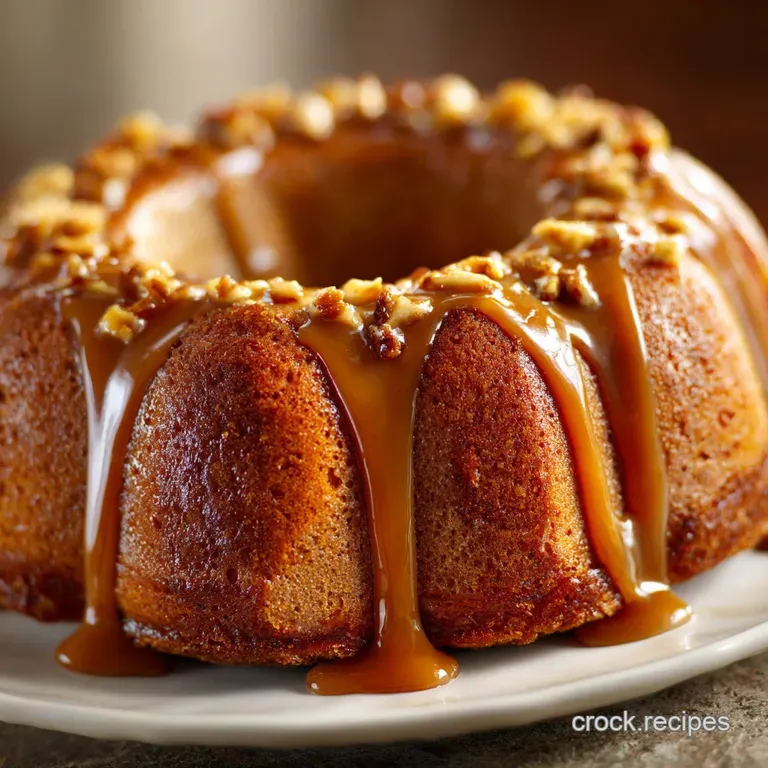
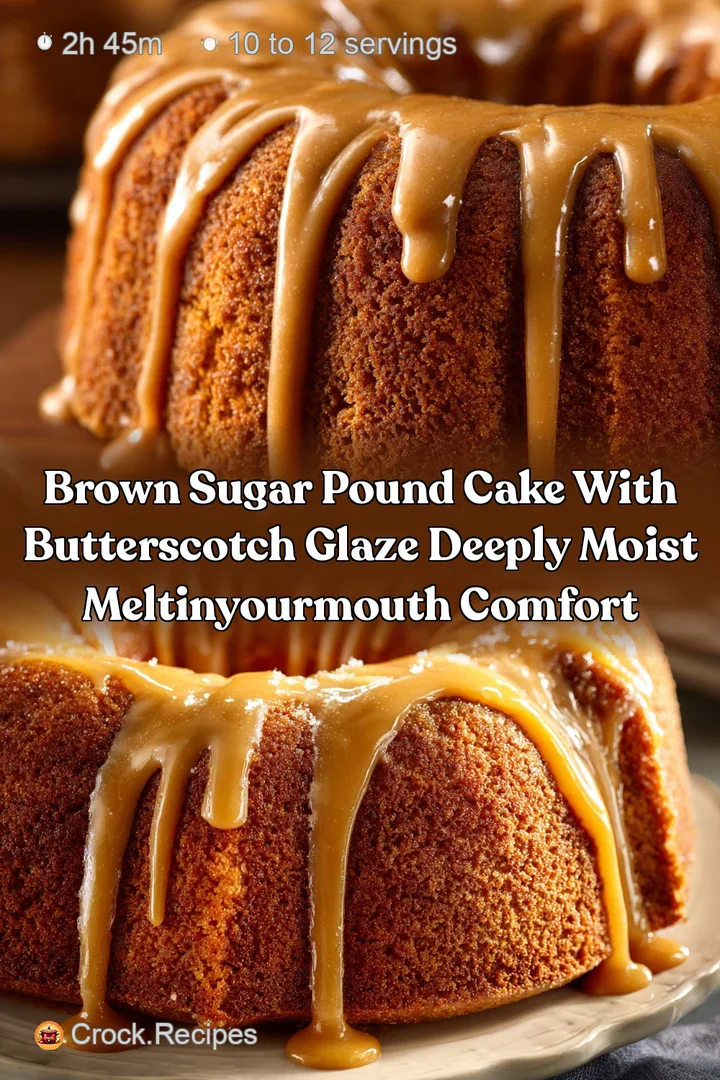
Pour the warm, not hot, glaze evenly over the completely cooled Brown Sugar Pound Cake. It should look like a waterfall of rich, caramelised goodness. Let it set for 20 minutes before serving.
Frequently Asked Questions and Troubleshooting Your Bake
Why Did My Cake Sink? Common Baking Errors and Fixes
If your cake sank in the middle, it’s almost always one of two things:
- Underbaked: The centre wasn't set when you took it out. Solution: Trust the skewer test and the internal temperature (200°F).
- Too Much Leavener/Over and Creaming: Too much air was incorporated, causing the structure to rise too quickly and collapse. Solution: Measure flour carefully and cream for the specified time, no longer.
Ensuring Longevity: Proper Storage for Your Pound Cake
Because this cake is so wonderfully moist due to the brown sugar and sour cream, it keeps beautifully at room temperature for up to four days if wrapped tightly in plastic wrap. If you want to keep it longer, slice it and freeze individual pieces. Thaw overnight, and the texture remains almost perfect.
Pairing Perfection: Best Beverages and Toppings for Serving
We love this brown sugar pound cake with butterscotch glaze served with:
- A dark roast coffee or espresso.
- A glass of cold milk (seriously).
- A dollop of unsweetened whipped cream to balance the sweetness.
Transforming the Flavor Profile: Spice Alternatives and Nut Additions
If you don't love cinnamon, you can substitute the spice in the glaze with a tiny pinch of nutmeg or cardamom. They offer a wonderful warmth without being overpowering. For a textural crunch, gently fold 1 cup of toasted pecans or walnuts into the batter just before panning.
This makes for an amazing brown sugar caramel pound cake recipe adaptation.
Expert Tips for Making the Best Brown Sugar Pound Cake with Butterscotch Glaze
- Prep the Pan, Then the Batter: Do not wait to grease the pan until the batter is mixed. Grease it first, so you can transfer the finished batter straight away.
- Don't Substitute the Fat: This is a pound cake. It requires full and fat dairy (butter, sour cream). Low and fat substitutions will sabotage the crumb texture, making it denser and drier.
- The Tap Test: After you fill the pan, tap it firmly on the counter three times. This releases any trapped large air bubbles and helps the cake bake with a finer, more uniform crumb structure.
Recipe FAQs
My pound cake turned out a bit dense, darling. What’s the secret to getting that perfect, light crumb?
The key is temperature and time; ensure your butter and eggs are perfectly at room temperature, and don't skimp on creaming the butter and sugar for the full 5 7 minutes to incorporate essential air for lift.
How long will this gorgeous Brown Sugar Pound Cake with Butterscotch Glaze keep, and how should I store it?
The cake keeps beautifully, wrapped loosely, at room temperature for up to 4 days; avoid the fridge, as cold temperatures tend to dry out the crumb and cause the butterscotch glaze to sweat.
Sixty to seventy five minutes is a long time! How can I tell if the centre of this thick cake is truly cooked?
While the skewer test is reliable, the foolproof method is using a digital thermometer inserted into the deepest part of the cake; you are aiming for an internal temperature between 200°F and 205°F (93 96°C).
I've run out of sour cream. Is there a simple swap that won’t ruin the cake's tender texture?
Absolutely; full fat Greek yogurt (thinned slightly with a teaspoon of milk) or whole buttermilk are excellent stand ins, as they provide the necessary fat and acid for superb moisture and structure.
My butterscotch glaze seized up almost immediately after I added the confectioners’ sugar! How do I fix that without starting over?
This happens if the base was too hot; simply return the glaze to very low heat and whisk in a teaspoon of heavy cream at a time until it returns to a smooth, pourable consistency.
Brown Sugar Pound Cake With Glaze
Ingredients:
Instructions:
Nutrition Facts:
| Calories | 475 calories |
|---|---|
| Fat | 24 g |
| Fiber | 1 g |
