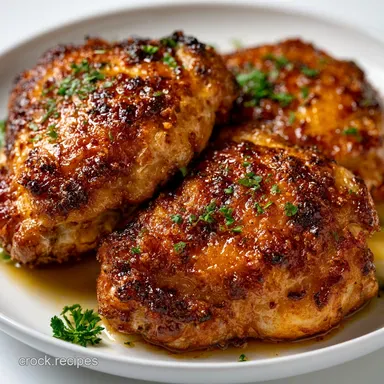
Oven Chicken Thighs: Crispy and Seasoned
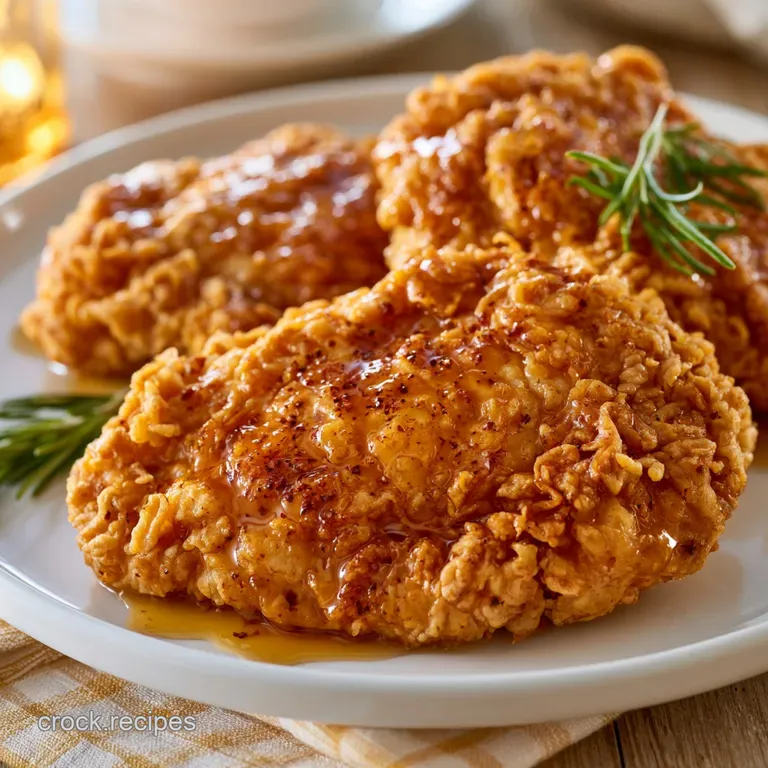
- Time: 10 min active + 40 min cook + 10 min rest = Total 60 mins
- Flavor/Texture Hook: Shatter crisp skin with hearty, juicy meat
- Perfect for: Weeknight dinners or meal prep for the week
- Oven Chicken Thighs
- Why These Thighs Hit Different
- Breaking Down the Flavor Build
- The Gear I Use
- Step-by-Step Roasting Guide
- Fixing Common Roasting Mistakes
- Troubleshooting Common Issues
- Swapping Flavors and Styles
- Adjusting for Batch Size
- Truths About Roasting
- Storage and Zero Waste Tips
- Serving for the Wow Factor
- Recipe FAQs
- 📝 Recipe Card
Oven Chicken Thighs
That sound. You know the one, where you press a fork against the skin and it makes a distinct crack before you even hit the meat. For the longest time, I couldn't get that right.
I'd pull my chicken out of the oven and the skin would be this weird, rubbery texture that felt more like a wet blanket than a crust. It was frustrating because the meat inside was always juicy, but the "wow" factor was totally missing.
I remember one specific Tuesday when I tried to "cheat" by overcrowding my baking sheet. I crammed six thighs in there, practically touching, thinking they'd cook faster. Instead, they just steamed each other. I ended up with a pan of grey, soggy chicken and a very disappointed partner.
That's when I realized that airflow is everything.
Now, I treat the skin like a science project. The real hero here is the avocado oil. I chose it because it can handle the 425°F heat without smoking or tasting bitter, which is where olive oil often fails.
When you combine that high smoke point with a bone in, skin on thigh, you get a hearty result that beats any stovetop version I've tried.
Why These Thighs Hit Different
I used to think the seasoning was the only thing that mattered, but the actual physics of the pan do the heavy lifting. Here is what is actually happening in your oven:
- Surface Moisture: Water is the enemy of browning. By patting the skin bone dry, the heat goes straight to crisping the skin instead of evaporating moisture.
- Air Circulation: Using a wire rack lifts the meat, so the hot air hits the bottom and sides, preventing that "soggy bottom" syndrome.
- Fat Rendering: High heat melts the subcutaneous fat, which essentially fries the skin from the inside out.
- Thermal Carryover: Because thighs have more connective tissue, letting them rest allows the juices to move back into the center of the meat.
| Method | Time | Texture | Best For |
|---|---|---|---|
| Stovetop | 25 mins | Charred/Crispy | Quick single servings |
| Oven | 40 mins | Evenly Golden | Batch cooking/Family meals |
| Slow Cooker | 6 hours | Fall apart/Tender | Shredded chicken/Stew |
Since we're talking about over high heat roasting, you might find that the juices left in the pan are liquid gold. If you have some leftover veggies, tossing them in that rendered fat is a pro move. If you're looking for a cozy pairing, these go great with a homemade chicken noodle soup on a rainy day.
Breaking Down the Flavor Build
I don't just sprinkle spices on top; I make a paste. This ensures the seasoning actually sticks and doesn't just burn off in the high heat.
| Ingredient | Science Role | Pro Secret |
|---|---|---|
| Avocado Oil | Heat Conductor | Keeps the spices from scorching at 425°F |
| Smoked Paprika | Color & Depth | Gives that "grilled" look without a BBQ |
| Garlic/Onion Powder | Umami Base | Powder sticks better than fresh garlic, which burns |
| Salt | Moisture Draw | Draws out surface water to help the skin shatter |
The Gear I Use
You don't need a professional kitchen, but a few specific tools make a huge difference. Honestly, don't even bother with a flat baking sheet alone; the rack is non negotiable for me now.
- Rimmed Baking Sheet: Necessary to catch all the rendered fat so it doesn't leak into your oven.
- Wire Cooling Rack: This is the secret weapon for airflow.
- Paper Towels: You'll need more than you think to get that skin truly dry.
- Instant Read Thermometer: A digital one like a Thermapen is best. According to Serious Eats, cooking thighs to a higher internal temperature than breasts breaks down collagen better.
- Small Mixing Bowl: For whisking your seasoning paste.
Step-by-step Roasting Guide
Right then, let's get into the actual cooking. Trust me on the drying part - it's the most important step.
- Dry the skin. Use paper towels to pat the chicken thighs extremely dry, removing all surface moisture from the skin. Note: Damp skin equals rubbery skin.
- Mix the paste. In a small bowl, combine avocado oil, salt, black pepper, garlic powder, onion powder, smoked paprika, dried oregano, and cayenne pepper.
- Season deeply. Rub the seasoning mixture generously under the skin and across the top of each thigh. Note: Getting spices under the skin flavors the meat, not just the crust.
- Set the stage. Place the thighs skin side up on a wire cooling rack set over a large rimmed baking sheet.
- Heat the oven. Preheat the oven to 425°F (218°C).
- The Roast. Roast in the center rack for 30-40 minutes until the skin is deep golden brown and firm.
- Check the temp. Use a meat thermometer to ensure the thickest part of the thigh reaches an internal temperature of 175°F-185°F (80°C-85°C).
- The Rest. Transfer chicken to a plate and let rest for 5-10 minutes to redistribute juices.
Chef's Tip: For an even more intense crust, freeze your butter for 10 minutes and grate a tiny bit over the thighs right before they go in the oven. The cold fat hits the heat and creates a velvety, rich finish.
Fixing Common Roasting Mistakes
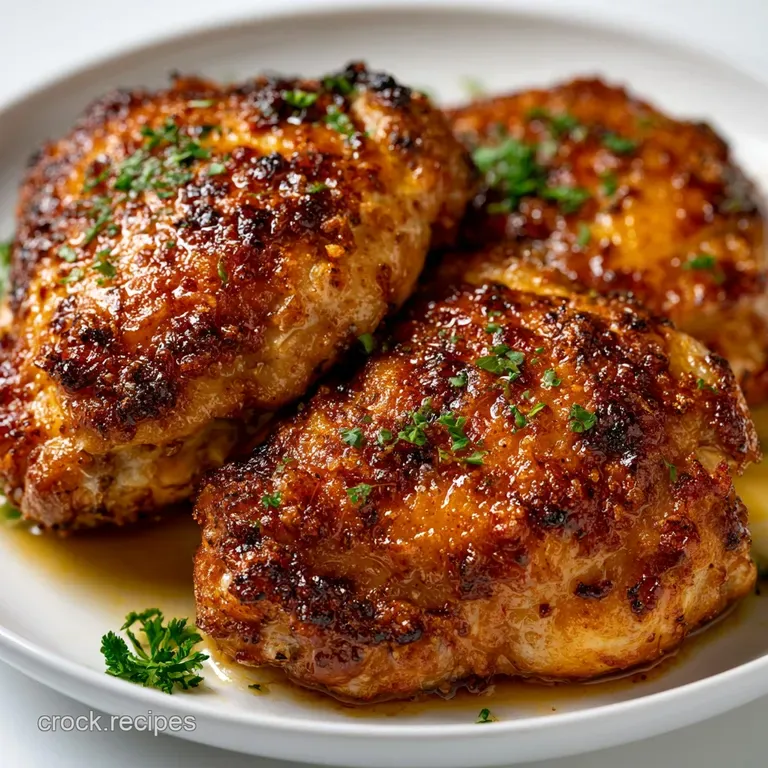
Even with a plan, things happen. I've had batches where the skin stayed pale or the meat felt dry. Usually, it comes down to one of three things.
Troubleshooting Common Issues
| Issue | Solution |
|---|---|
| Skin rubbery | This usually happens if the oven wasn't hot enough or the chicken was too wet. If you see steam rising from the pan, the chicken is boiling rather than roasting. Make sure you aren't overcrowding the |
| Why is the meat dry | While thighs are forgiving, you can still overcook them. If they stay in past 185°F, you're losing the juices. Always rely on the thermometer, not the clock. |
| Why did the seasoning burn | If you use too much sugar based rub or a low smoke point oil (like extra virgin olive oil), the spices will carbonize. Stick to avocado oil for these over high heat Oven Chicken Thighs. |
Common Mistakes Checklist
- ✓ Did I pat the skin dry with paper towels?
- ✓ Is there at least an inch of space between each thigh?
- ✓ Did I use a wire rack to lift the meat?
- ✓ Did I check the internal temp at 175°F?
- ✓ Did I let the meat rest for 5 minutes?
Swapping Flavors and Styles
Once you've nailed the basic method, you can change the profile without changing the technique. This recipe is a great canvas for different vibes.
For a Honey Garlic Glaze During the last 5 minutes of roasting, brush on a mixture of honey, soy sauce, and minced garlic. The high heat will caramelize the sugars into a sticky, velvety coating.
For an Herb Forward Profile Swap the paprika and cayenne for fresh rosemary and thyme. This makes the dish feel more like a Sunday roast. If you're doing this, I highly recommend pairing it with some Marry Me Chicken Meatballs as a starter for a full on feast.
For Seasoned Boneless Skinless Chicken Thighs If you're using boneless, reduce the roasting time to 20-25 minutes. Since there's no skin to crisp, you can sear them in a pan for 2 minutes first to get some color.
For a Low Sodium Version Use a salt free lemon pepper blend and increase the dried oregano. The acidity from a squeeze of fresh lemon at the end will mimic the "brightness" of salt.
| Original Ingredient | Substitute | Why It Works |
|---|---|---|
| Avocado Oil (1 tbsp) | Grapeseed Oil (1 tbsp) | Similar high smoke point. Note: Neutral flavor |
| Smoked Paprika (1 tsp) | Regular Paprika (1 tsp) | Similar color. Note: Lacks the woody, campfire depth |
| Dried Oregano (1/2 tsp) | Dried Basil (1/2 tsp) | Similar herbal note. Note: Slightly sweeter profile |
When you're scaling up this recipe for a crowd, remember that the oven can lose heat when you open the door to put in multiple trays. If you're doubling the batch, I suggest increasing the temp by 10 degrees for the first 5 minutes to recover that lost heat.
Adjusting for Batch Size
If you're just cooking for yourself, you can easily half this recipe. Use a smaller toaster oven tray, but keep the temperature at 425°F. You'll likely find the cook time drops by about 5-10 minutes since there's less mass in the oven.
For big family gatherings (4x the recipe), work in batches. If you crowd the oven with three trays, the airflow is blocked, and you're back to the "soggy bottom" problem. I prefer to roast two trays at a time and keep the first batch warm in a low oven (200°F) while the second finishes.
Truths About Roasting
There are a few things people always say about chicken that just aren't true. Let's clear the air.
Searing "seals in" juices. I've heard this a million times. It's a myth. Searing creates flavor and color, but it doesn't create a waterproof barrier. Moisture loss happens throughout the cooking process regardless of whether you sear first.
Chicken must be room temperature before roasting. While some swear by this, it's not necessary for thighs. In fact, cold fat renders more slowly, which can actually help the meat stay juicy while the skin gets that shatter effect.
Storage and Zero Waste Tips
Don't let the leftovers go to waste. These Oven Chicken Thighs are actually better the next day if you reheat them correctly.
Storage Guidelines Keep the chicken in an airtight container in the fridge for up to 4 days. For the freezer, wrap them individually in foil and then a freezer bag; they'll stay good for 3 months. To reheat without ruining the skin, avoid the microwave.
Put them back in a 350°F oven for 10 minutes.
Zero Waste Secrets Don't throw away the bones! I always save the bone in scraps and the drippings from the baking sheet. Simmer them with an onion, carrot, and celery to make a quick, rich stock. It's a hearty way to ensure you're getting every bit of value from your ingredients.
Serving for the Wow Factor
Plating is where you turn a weeknight meal into something special. Since these are so rich, you need something bright to cut through the fat.
I love serving these on a wooden platter with a heap of arugula or a crisp slaw. The contrast between the deep golden brown skin and the bright green leaves looks stunning. A wedge of charred lemon on the side is a must - the acidity wakes up the smoked paprika and garlic.
If you want to go full comfort mode, serve them over a bed of creamy polenta or mashed potatoes. The juices from the chicken soak into the starch, creating a velvety sauce that ties everything together. Just remember to slice the thighs against the grain to show off that juicy interior.
Loving these Oven Chicken Thighs is all about respecting the heat and the airflow. Once you stop overcrowding your pans and start drying your skin, you'll never go back to the rubbery version. Now, go get that crackle!
Recipe FAQs
Is it better to bake chicken thighs at 400 or 425?
Use 425°F (218°C). This high temperature is essential for rendering the fat to achieve a deep golden, firm skin while keeping the meat juicy.
How do you season chicken thighs in the oven?
Rub a seasoning paste made of avocado oil and spices under the skin and across the top. This technique ensures the flavor penetrates the meat rather than just sitting on the surface.
How to cook chicken thighs in the oven with bones?
Place them skin side up on a wire rack over a baking sheet at 425°F. Roast for 30-40 minutes until a meat thermometer reads an internal temperature of 175°F-185°F.
Are chicken thighs good for diabetics?
Yes, they are an excellent protein source. Thighs provide essential nutrients without causing the blood sugar spikes associated with high carb meals.
How to cook boneless and skinless chicken thighs in an oven?
Bake at 425°F on a baking sheet until they reach an internal temperature of 175°F. These typically cook faster than bone-in versions since there is no bone to slow down heat penetration.
Is it true that chicken thighs should be cooked to 165°F?
No, this is a common misconception. While 165°F is safe for breasts, thighs need to reach 175°F-185°F to fully break down connective tissue for a tender texture.
What are some other ways to prepare chicken thighs?
Try braising for a more tender, saucy result. If you prefer a richer, creamier style, you can make a French chicken bake.
Crispy Oven Chicken Thighs 2