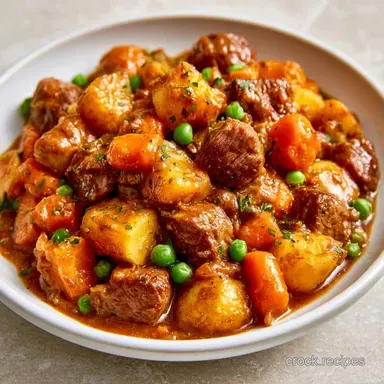
Slow-Cooked Dumpandgo Beef Stew
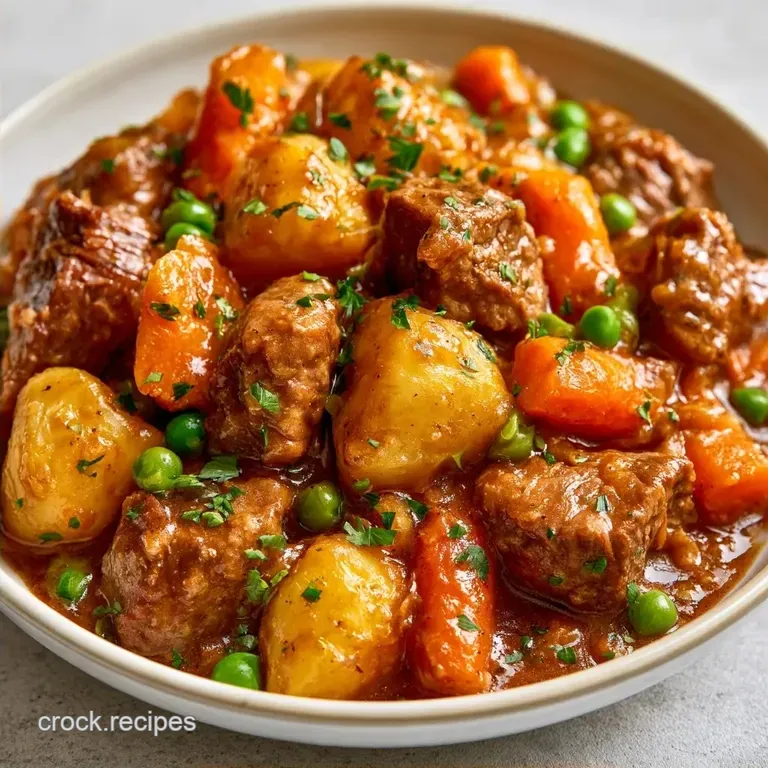
- Prep & Cook: 10 min active + 8 hrs cooking
- The Draw: Deep mahogany beef with root vegetables that melt in your mouth
- Best for: Hectic evenings or prepping meals for the week
The aroma of simmering beef and red wine wafting through the house at 5 PM feels like a warm embrace. When I first started making stew, I relied on those pre-packaged "stew meat" cuts from the grocery store.
Because they were mostly lean scraps, they stayed chewy regardless of the cooking time, resulting in grey meat and a thin, tasteless broth.
Everything changed once I switched to buying a whole beef chuck roast and slicing it myself. This ensures the meat has the necessary fat and connective tissue to break down and melt. This DumpandGo Beef Stew elevates an affordable cut into a gourmet meal without requiring any browning or constant attention.
You'll get a dark, velvety gravy and vegetables that maintain their structure but are perfectly tender. Since the flavors deepen overnight, it's my favorite dish to make during my Sunday kitchen sessions.
How to Nail This DumpandGo Beef Stew
- Collagen Breakdown: Using chuck roast is the trick. Over 8 hours, the connective tissue melts into gelatin, which thickens the liquid and gives the beef a silky texture.
- Umami Layering: The mix of tomato paste, Worcestershire, and red wine creates a deep, savory base that mimics a long simmered stock.
The Building Blocks
I went with beef chuck roast because lean cuts, like sirloin, typically dry out in a slow cooker. That extra fat is key to ensuring the meat stays moist throughout the long cooking process.
Using low sodium beef broth lets you regulate the salt, which is important since Worcestershire sauce already provides a lot of it.
For a faster beef meal, you might enjoy these Savory Stew Meat Steak Bites. But for a long, slow simmer, the roast is the ideal choice.
Yukon Golds are my go-to root vegetables. I prefer them to Russets, as they won't disintegrate into mush after 8 hours. They keep their shape while becoming perfectly creamy on the inside.
Recipe Specs
For those who like a bit of data, this recipe serves 6 people. It takes about 10 minutes to chop everything and throw it in the pot. From there, it's a waiting game. Most of the flavor develops between hour 6 and hour 8 on the low setting.
USDA guidance suggests an internal temperature of 165°F for safety, but for beef stew, we're looking for a much higher internal breakdown of collagen, usually around 190-200°F, which happens naturally over the 8 hour window.
Equipment Needed
Basic kitchen tools will do. The primary piece of gear is a 6-quart slow cooker; I prefer a ceramic or stainless steel insert for even heat distribution. Using a keen chef's knife and a reliable cutting board makes the 10-minute preparation quick and easy.
To mix the sauce, grab a small bowl or a glass measuring cup. Any container that allows you to whisk the broth and tomato paste together with a fork will work, ensuring a smooth blend before adding it to the pot.
How to Make It
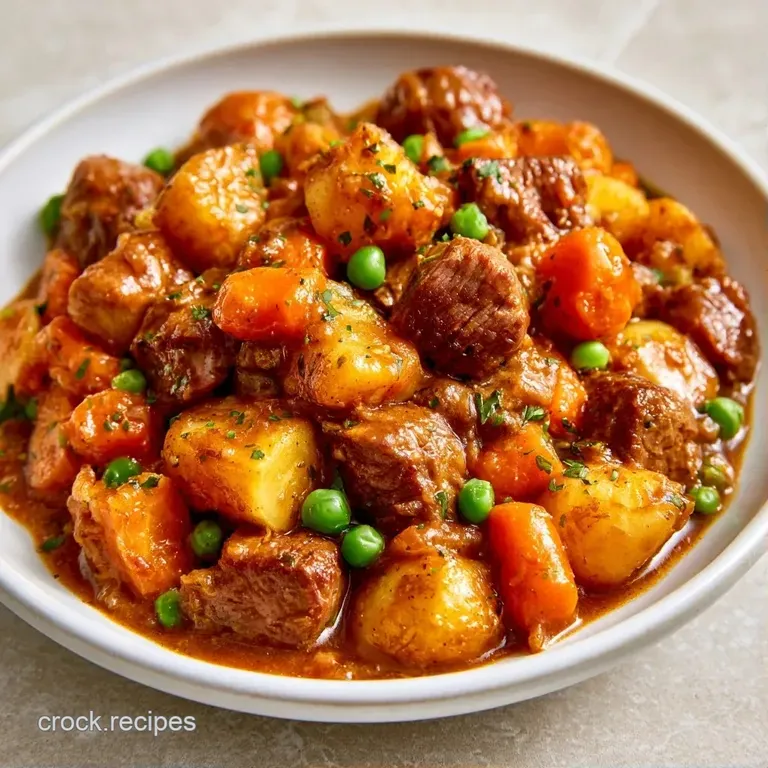
- Cut the beef, potatoes, and carrots into consistent 1 inch chunks. Note: Uniform sizing ensures the carrots don't mush while the beef is still firm.
- Dice the onion and mince the garlic.
- Add the beef cubes, potatoes, carrots, onion, and garlic to the bottom of your slow cooker.
- Combine the beef broth, tomato paste, Worcestershire sauce, red wine, thyme, salt, and pepper in a small mixing bowl.
- Drizzle this liquid mixture over the meat and vegetables.
- Nestle the bay leaves into the sauce.
- Set the slow cooker to Low for 8 hours until the beef is mahogany colored and pulls apart with a fork.
- Fold in the frozen peas during the final 15 minutes of cooking until they are bright green and heated through.
How to Fix Common Problems
Sometimes the liquid doesn't thicken the way you want, or the flavors feel flat. If your DumpandGo Beef Stew looks too watery, it's usually because the beef wasn't fatty enough or you added extra broth. A quick slurry of cornstarch and water at the end fixes this in minutes.
If the taste feels "boiled" rather than "rich," you might be missing a hit of acid. A teaspoon of balsamic vinegar or a squeeze of lemon juice stirred in at the end wakes up all the savory notes.
Fixing Thin Gravy
When the sauce stays thin, it lacks the gelatin from the meat. Whisk 2 tbsp cornstarch with 2 tbsp cold water and stir it in 30 minutes before serving.
Preventing Bland Flavor
Blandness usually comes from under seasoning the meat. Adding a pinch more salt or a dash of soy sauce can deepen the profile.
Fixing Mushy Vegetables
If your potatoes turn to mash, they were likely cut too small or cooked on high for too long. Stick to 1 inch chunks and the low setting.
| Problem | Root Cause | Solution |
|---|---|---|
| Watery Sauce | Too much broth or lean meat | Add cornstarch slurry |
| Tough Beef | Cut too lean (.g., sirloin) | Cook longer or use chuck roast |
| Dull Taste | Lack of acid/salt | Add 1 tsp balsamic vinegar |
| Mushy Carrots | Cut too thin | Use thick rounds (1 inch) |
Freezing and Reheating Guide
This DumpandGo Beef Stew is perfect for meal planning. It keeps in the refrigerator for 4 days. I've noticed the taste actually improves after sitting overnight as the spices blend together.
If freezing, wait for the stew to reach room temperature. Transfer to freezer safe bags, removing excess air to maintain quality. It remains fresh for around 3 months.
For reheating, the stove is my top choice. Heat the stew in a pot on medium low. If the liquid has become too thick, stir in a bit of water or beef stock. Simmer for 15 minutes until it reaches a boil.
To reduce waste, save your onion peels and carrot scraps. Keep these in a freezer bag for a future batch of homemade vegetable broth. Any remaining beef broth in the carton can be frozen in ice cube trays for easy use in pan sauces.
What to Serve This With
A rustic sourdough loaf is the perfect pairing, ideal for mopping up that deep brown gravy. I like to toast my slices with salted butter, adding a satisfying crunch to balance the softness of the meat.
For a more filling side, creamy mashed potatoes are always a win. Because the recipe already includes potatoes, you could leave them out of the slow cooker and simply ladle the beef and carrots over a scoop of mash.
For a fresh option, a bright garden salad with a zesty citrus dressing provides a refreshing contrast to the savory meat. If you prefer a more traditional approach, take a look at my Hearty Crock Pot Beef Stew for a different version.
Flavor Variations to Try
This DumpandGo Beef Stew is highly adaptable. For a French inspired take, double the red wine and stir in a pinch of fresh rosemary to achieve a Beef Burgundy feel.
If you prefer less salt, substitute the low sodium broth with an unsalted homemade stock and use a squeeze of lime plus a dash of coconut aminos instead of Worcestershire sauce.
For a more vegetable forward stew, incorporate celery and parsnips. These additions provide an earthy sweetness that complements the thyme; simply add them alongside the carrots.
| Method | Prep Effort | Texture | Flavor Profile |
|---|---|---|---|
| Slow Cooker | Very Low | Tender, integrated | Deep and mellow |
| Stovetop | Medium | Slightly firmer meat | More concentrated |
| Oven Braise | Medium | Rich, caramelized top | Traditional roast taste |
- For a thicker sauce
- stir in a cornstarch slurry 30 mins before finishing.
- For a brighter taste
- stir in 1 tsp balsamic vinegar at the end.
- For more heartiness
- add 1 cup of pearl onions during the first hour.
Scaling This Recipe
Adjusting the proportions of this stew is simple, provided you follow a few guidelines. When preparing a half batch, use a smaller slow cooker to prevent the liquid from evaporating too quickly and drying out the beef. Decrease the cooking time by 20% to account for the reduced mass.
When making a double batch, avoid doubling the salt and thyme right away. Start with 1.5x the spices and adjust to taste at the end. You can decrease the liquid volume by 10% since larger pots retain more internal steam.
If your slow cooker is nearly full, work in batches and leave at least an inch of headspace to avoid overflows.
Chef Note: Pro Tip: Chill your butter in the freezer for 10 minutes prior to grating it into a side dish or using it to finish the stew for a glossier appearance. Also, try stirring in a teaspoon of instant espresso powder; it won't taste like coffee, but it will make the beef flavor more intense.
This recipe relies on the equipment to do the hard work. By selecting the right meat and layering flavors early, you get a meal that tastes like a slow cooked masterpiece despite only needing 10 minutes of active preparation.
You'll be delighted when you open the lid to a home that smells like a professional bistro.
Critical Sodium Level
1180 mg 1,180 mg of sodium per serving (51% 51% of daily value)
The American Heart Association recommends limiting sodium intake to 2,300mg per day, with an ideal limit of 1,500mg for most adults to reduce the risk of cardiovascular disease.
Tips to Reduce Sodium in Your Beef Stew
-
Swap Broth-30%
Replace the low-sodium beef broth with unsalted beef stock or a combination of water and a splash of soy-free coconut aminos.
-
Remove Added Salt-25%
Completely omit the 1 tsp of salt; the broth and Worcestershire sauce provide enough base salinity.
-
Limit Worcestershire-20%
Reduce the Worcestershire sauce to 1 tbsp or substitute it with a small amount of balsamic vinegar for a similar tangy depth.
-
Check Tomato Paste-10%
Use a no-salt added tomato paste to avoid hidden sodium often found in canned concentrates.
-
Enhance Herbs
Increase the dried thyme or add fresh rosemary and parsley to boost the savory profile without adding sodium.
Recipe FAQs
Can I use pre-cut stew meat instead of chuck roast?
No, avoid pre-cut packs. These are often too lean and stay tough during the slow cook. If you enjoyed the depth of flavor here, see how a similar rich base works in this hearty French stew.
How to prevent the potatoes from falling apart?
Cut them into uniform 1 inch chunks. This size ensures they cook through during the 8-hour Low setting without disintegrating into the gravy.
Is it true that you must sear the beef first for flavor?
No, this is a common misconception. The combination of red wine, tomato paste, and Worcestershire sauce provides enough umami for a mahogany finish without extra browning.
Which setting produces the most tender beef?
Low for 8 hours is ideal. While High for 4 hours is an option, the slower temperature breakdown creates a more tender, silky texture.
Dumpandgo Beef Stew