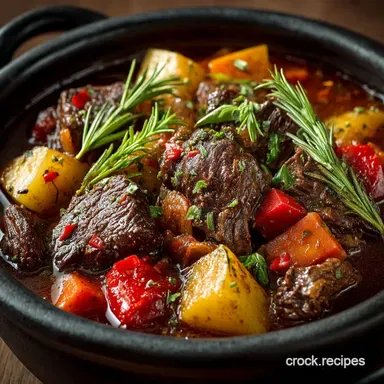
The Ultimate Comfort Supper Chefs Classic Slowcooker Beef Stew
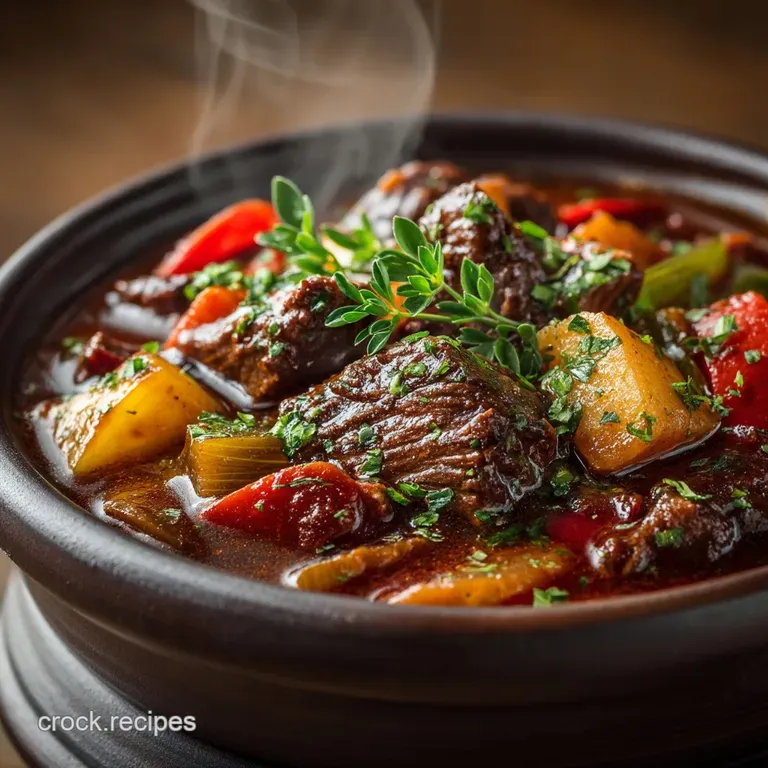
- Ditch the Dinner Stress: Why This Crockpot Beef Stew Recipe Works Wonders
- Achieving the Deepest Umami Flavor in Slow-Cooked Meals
- Gathering the Pantry Staples for Our Ultimate Crockpot Beef Stew
- Selecting the Perfect Beef Cut for Tender Results
- Step-by-Step Guide to Mastering This Easy Crockpot Beef Stew
- The Critical Searing Step That Elevates Beef Flavor
- Maximizing Leftovers and Safe Storage Protocols
- Beyond the Bowl: Creative Serving Ideas and Recipe Customizations
- Recipe FAQs
- 📝 Recipe Card
Ditch the Dinner Stress: Why This Crockpot Beef Stew Recipe Works Wonders
There are few dishes that deliver the same level of profound comfort as a rich, savory beef stew, and when you can achieve that depth of flavor with minimal active time, it becomes the ultimate weeknight hero.
This particular crockpot beef stew recipe easy enough for a novice cook, yet delivers complexity that will satisfy the most discerning palate. The beauty of the slow cooker lies in its ability to tenderize tough cuts of meat and marry robust flavors over hours, requiring nothing more than a few minutes of prep and the simple flick of a switch.
For those seeking reliable Easy Crockpot Dinners , this recipe transforms humble ingredients into a spectacular meal, ensuring you come home to a kitchen filled with the promise of deep, satisfying warmth.
Achieving the Deepest Umami Flavor in Slow Cooked Meals
The secret to transitioning a simple mixture of meat and liquid into a truly memorable Slow cooked Beef Stew Recipe is understanding flavor layering. While the slow cooker handles the tenderizing, we are responsible for the foundational umami notes.
We build this flavor profile through critical steps namely, the judicious use of concentrated tomato paste, the savory punch of Worcestershire sauce, and, most importantly, the development of a dark crust on the beef itself before the slow cook even begins.
This preparation ensures that every spoonful of the resulting gravy is deeply satisfying, not merely watery.
The Essential Kitchen Gadgets for Hands Off Cooking
While the slow cooker itself is the star, executing this recipe requires two primary pieces of equipment. First, a robust 5 to 7-quart slow cooker or crockpot is necessary to handle the volume of the stew (which yields a generous 8 servings).
Second, a large, heavy bottomed skillet or Dutch oven is absolutely non-negotiable for the crucial searing and sautéing steps. Trying to skip this heavy skillet stage results in a stew that lacks depth and character.
Flavor Profile Breakdown: What Makes This Gravy So Rich?
This stew achieves its signature richness through a combination of melted collagen from the chuck roast and specific aromatic additions. The gravy's body is enhanced by the flour coating on the beef and the final cornstarch slurry, giving it a velvety texture.
The savory depth comes from the toasted tomato paste and the dry red wine (which adds tannic structure and acidity), while bay leaves and dried thyme infuse the liquid with classic earthy warmth throughout the cooking duration.
Prep Time vs. Cook Time: Setting Realistic Expectations
One of the great promises of slow cooking is convenience, but setting realistic expectations is key. While the total commitment is just under 8. 5 hours when cooking on the low setting, the active preparation time which involves trimming, cubing, browning the beef, and sautéing the aromatics requires about 25 minutes.
This up-front effort is what generates the exceptional flavor, leaving the long, eight hour simmer time completely hands off.
Gathering the Pantry Staples for Our Ultimate Crockpot Beef Stew
This Crockpot Beef Stew relies on a standard selection of pantry staples and fresh produce, most of which you likely have on hand. Beyond the main star, the chuck roast, you'll need foundational aromatics like yellow onion and garlic, textural elements like celery and carrots, and the liquid base of high-quality beef stock.
Don't forget the thickening agents all-purpose flour for the initial dredge and cornstarch for the final polish.
Selecting the Perfect Beef Cut for Tender Results
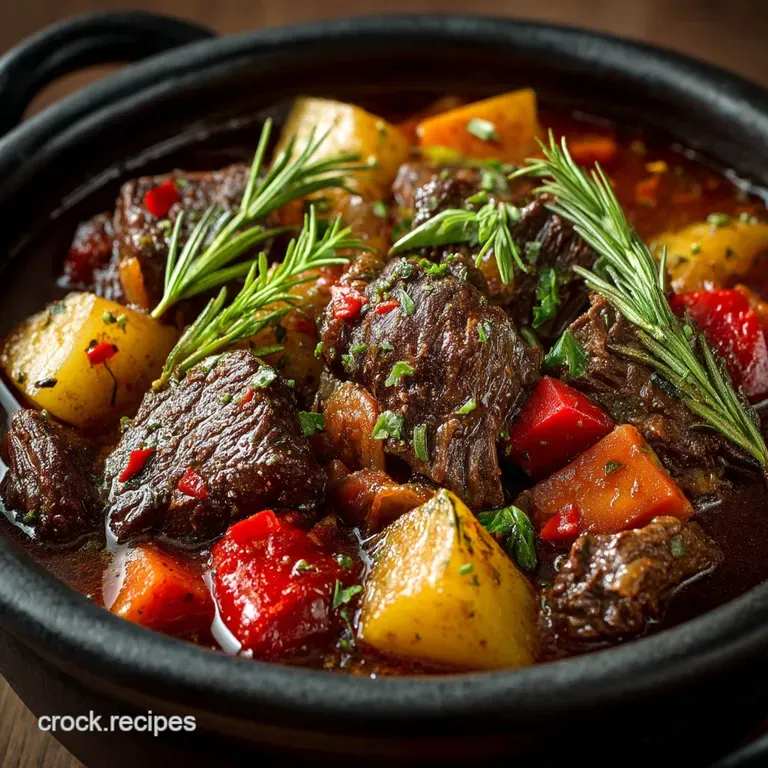
For any Slow cooked Beef Stew Recipe , the ideal cut is the beef chuck roast. Chuck comes from the shoulder and contains a high amount of connective tissue and fat marbling. While these features make it tough for quick cooking, they are assets in the slow cooker.
During the prolonged, gentle simmer ( 4 hours on high or 8 hours on low), the collagen breaks down into rich, melting gelatin. This process not only makes the beef fork tender but also naturally enriches the gravy, giving it a superior mouthfeel that leaner cuts simply cannot deliver.
The Role of Red Wine vs. Beef Broth in Depth
Our recipe calls for one cup of dry red wine (such as Cabernet Sauvignon or Merlot) to deglaze the pan. Wine provides critical acidity and complex fruit notes that cut through the heaviness of the beef, adding a layer of sophisticated flavor.
If you require a crockpot beef stew recipe without wine for dietary reasons, simply substitute the wine volume with an equal amount of additional high-quality beef stock and consider adding a teaspoon of balsamic vinegar or a splash of lemon juice at the end to replace the missing acidity.
The remaining three cups of beef stock provide the majority of the cooking liquid.
The Best Root Vegetables for Slow Cooker Success
This recipe is structured to be a complete meal, featuring substantial crockpot beef stew with vegetables . We use hearty root vegetables that can withstand the long cooking time without disintegrating.
Carrots, celery, and waxy potatoes (like small reds or Yukon Golds) are perfect choices as they retain their shape while absorbing the surrounding flavors. If you wish to create a truly traditional Slow Cooker Beef Carrots & Parsnips Stew , parsnips make an excellent substitute or addition, offering a wonderful, slightly sweet, earthy note.
Ingredient Swaps: Making the Stew gluten-free or dairy-free
This classic stew is naturally dairy-free, making it accessible to those with lactose sensitivities. Achieving a gluten-free adaptation is straightforward: for the initial dredge, substitute the all-purpose flour with rice flour.
For the final thickening slurry, utilize arrowroot powder or tapioca starch instead of cornstarch, following the same cold water slurry method.
Fresh Herbs vs. Dried: Maximizing Aromatic Impact
For the long cooking period, dried herbs are preferred. Dried thyme, added at the beginning, releases its robust, concentrated oils over the hours, integrating deep into the gravy. Conversely, fresh herbs like the chopped parsley specified in the recipe are reserved for the finishing stage.
Adding fresh parsley just before serving provides a bright, herbaceous lift and vital color that prevents the dish from tasting flat or muddy.
Related Recipes Worth Trying
- The Best Sticky HoneyGarlic Crockpot Chicken Recipe Minimal Fuss — The foolproof Crockpot Chicken Recipe you need Get fallapart tender chicken thighs in a luscious sticky honeygarlic glaze Its the ultimate easy slow cooker...
- OnePot Beefy Mexican Rice Soup Hearty Weeknight Comfort — This Beefy Mexican Rice Soup is a onepot weeknight miracle Its less a soup more a robust flavourpacked meal perfect for a quick and easy soup fix A culinary...
- Ultimate Creamy Chicken Leek Potato Crockpot Soup — Skip the hob This easy Crockpot Soup recipe delivers rich velvety Chicken Leek Potato comfort Its one of the healthiest crockpot soup recipes youll make all...
Step-by-step Guide to Mastering This Easy Crockpot Beef Stew
The foundation of this slow cooked masterpiece rests on intentional execution during the initial preparation. Success is guaranteed by following the four phases sequentially: preparation and searing, building the aromatic base, assembly, and finally, the finishing touches.
The process is designed to maximize flavor extraction before the meat even hits the crockpot.
The Critical Searing Step That Elevates Beef Flavor
The initial browning of the beef is non-negotiable, despite the overall ease of the crockpot beef stew recipe easy . Searing the beef cubes at high heat causes the Maillard reaction, caramelizing the natural sugars and proteins on the surface of the meat.
This process develops hundreds of complex flavor compounds that the moist environment of the slow cooker simply cannot replicate.
Preparing the Chuck: Cubing and Seasoning Techniques
Start with three pounds of trimmed beef chuck, cut into uniform 1.5 inch cubes. Uniformity ensures even browning and tenderizing. The beef must be patted very dry before being tossed in the dredging mixture of flour, salt, and pepper.
This thin coating aids in both browning and provides the initial thickening for the gravy.
Building the Flavor Base: Sautéing Aromatics
After searing the beef and transferring it to the crockpot, use the residual fat in the skillet to sauté the diced onion, carrots, and celery. Cooking these aromatics until softened sweetens them slightly. Next, stir in the minced garlic and the tomato paste.
Cooking the tomato paste for just one minute allows it to toast and caramelize, unlocking a deep, essential savory sweetness (umami) that would otherwise be missing.
The Right Way to Deglaze the Pan (Don't waste the fond!)
Deglazing is the act of dissolving the flavorful browned bits (known as the fond ) stuck to the bottom of your searing skillet. Immediately after toasting the tomato paste, pour in the red wine (or stock substitute).
Use a wooden spoon to scrape the pan aggressively, ensuring all that concentrated flavor is lifted into the liquid. Allow the liquid to bubble and reduce by half, which concentrates the flavor further, before pouring this rich liquid mixture over the beef in the slow cooker.
Adding the Vegetables: Timing for Optimal Texture
Unlike many quick stovetop stews where vegetables are added later to prevent mushiness, the carrots, celery, and potatoes for this Crockpot Beef Stew are robust enough to join the mixture at the start.
They benefit from the full cooking cycle, absorbing the deep beef and wine flavors and becoming perfectly tender alongside the meat. Resist the urge to add tender vegetables, such as mushrooms or green peas, until the final hour of cooking.
Maximizing Leftovers and Safe Storage Protocols
This generous recipe is ideal for batch cooking. Once the slow cooker is finished, allow the stew to cool to room temperature (no more than two hours) before portioning it into airtight containers. Properly refrigerated, the stew retains its high quality for up to four days.
If you find yourself in possession of crockpot beef stew frozen meat (meaning, you cooked from frozen, which is generally discouraged for safety) or if you plan to freeze the finished product, ensure the stew is completely chilled before placing it in freezer safe bags or containers, leaving a little headspace for expansion.
Beyond the Bowl: Creative Serving Ideas and Recipe Customizations
While a bowl of beef stew is comforting on its own, its richness begs for contrast. Serve the stew alongside a fluffy mound of buttery mashed potatoes, which readily soak up the glorious gravy, or offer thick slices of crusty sourdough bread for dunking.
For a textural contrast, a simple side salad dressed with a sharp vinaigrette provides a clean counterpoint to the stew’s deep, savory profile.
The Secret to Thickening the Gravy After Cooking
A common mistake is trying to thicken the stew at the beginning, which can result in scorched lumps at the bottom of the slow cooker. For the perfect velvety gravy, thicken the stew after the cooking cycle is complete.
Fifteen minutes before serving, whisk three tablespoons of cornstarch with three tablespoons of cold water to create a smooth slurry. Remove the bay leaves, increase the crockpot to the HIGH setting (if not already there), and stir the slurry into the hot stew.
Within 5– 10 minutes, the liquid will reach a beautiful, rich consistency.
How Long Does Homemade Beef Stew Keep in the Freezer?
When stored correctly in tightly sealed, labeled containers, homemade beef stew can be safely kept in the freezer for up to three months. Note that root vegetables like potatoes and carrots can sometimes change texture slightly after freezing and thawing, but the overall flavor of the Slow cooked Beef Stew Recipe remains excellent.
Thaw overnight in the refrigerator before reheating gently on the stovetop or back in the slow cooker.
Nutritional Breakdown: Understanding Your Comfort Meal
Though decidedly hearty, this beef stew provides substantial nutritional value, offering high protein content (around 45g per serving) from the three pounds of beef, alongside beneficial fiber and vitamins from the generous inclusion of crockpot beef stew with vegetables .
Estimated at about 480 calories per serving (based on eight servings), it is a substantial and satisfying meal designed for ultimate fuel and comfort.
Slow Cooker vs. Instant Pot: Adjusting Cooking Times
While this recipe is optimized for the traditional slow cooker, producing that characteristic long, gentle flavor integration, the process can be adapted for a pressure cooker (like an Instant Pot). If using a pressure cooker, perform the searing and sautéing steps using the sauté function.
Then, cook the assembled ingredients for approximately 35– 40 minutes on high pressure, followed by a natural pressure release. While faster, the flavor maturation achieved over 8 hours in the slow cooker results in a superior, more cohesive Slow cooked Beef Stew Recipe .
Recipe FAQs
Is browning the beef really worth the extra faff for a slow cooker Crockpot Beef Stew?
Absolutely, yes! Searing creates the Maillard reaction, which develops deep, savoury crusts the slow cooker cannot replicate. Skipping this step means missing out on the rich, complex flavour foundation, resulting in a paler, less exciting stew.
Just make sure to deglaze the pan afterward to capture those brown bits (the 'fond') it’s liquid gold for your gravy.
My potatoes always turn to mush! Should I add the root vegetables later?
It’s a common dilemma when slow cooking! For this recipe, we recommend using waxy potatoes (like Yukon Golds or Reds) as they hold their shape much better than starchy Russets. If you are particularly worried about mushiness, you can stir them in during the last 2 to 3 hours of cooking.
However, we find the 8-hour low cook time is usually forgiving enough for robust, 1.5 inch chunks of veg.
Help, my gravy is too watery! How do I guarantee a lovely thick stew?
Don't panic the cornstarch slurry added right at the end is your secret weapon for the perfect consistency. If the stew is still too thin after adding the first slurry batch, simply mix up another half portion (1.5 Tbsp cornstarch with 1.5 Tbsp cold water) and stir it in while the slow cooker is on high.
Also, be careful not to use too much stock at the start; the liquid should just cover the ingredients, not drown them.
How long will leftovers last, and can I stick a batch in the freezer?
Beef stew is a brilliant freezer standby and perfect for batch cooking. It keeps beautifully in an airtight container for 3 4 days in the fridge, making it ideal for packed lunches. For longer storage, you can freeze it for up to 3 months.
Just make sure to cool the stew completely before portioning and freezing, then reheat gently on the hob or in the microwave.
What can I use instead of red wine, or is it essential for the flavour?
The red wine is optional but highly recommended, as its acidity cuts through the richness and adds complexity to the final gravy. If you need to skip it for dietary reasons, simply replace the volume with additional beef stock.
To achieve a similar depth, add an extra tablespoon of Worcestershire sauce or a teaspoon of balsamic vinegar for that necessary acidic punch.
Classic Slowcooker Beef Stew