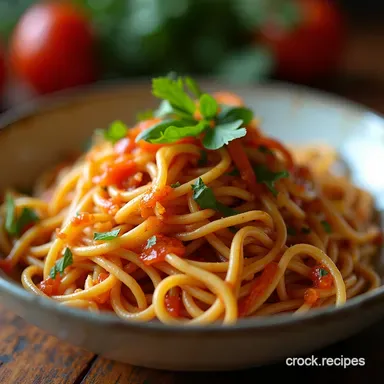
The Ultimate Weeknight Pad Thai Achieving That Perfect Tangysweet Balance
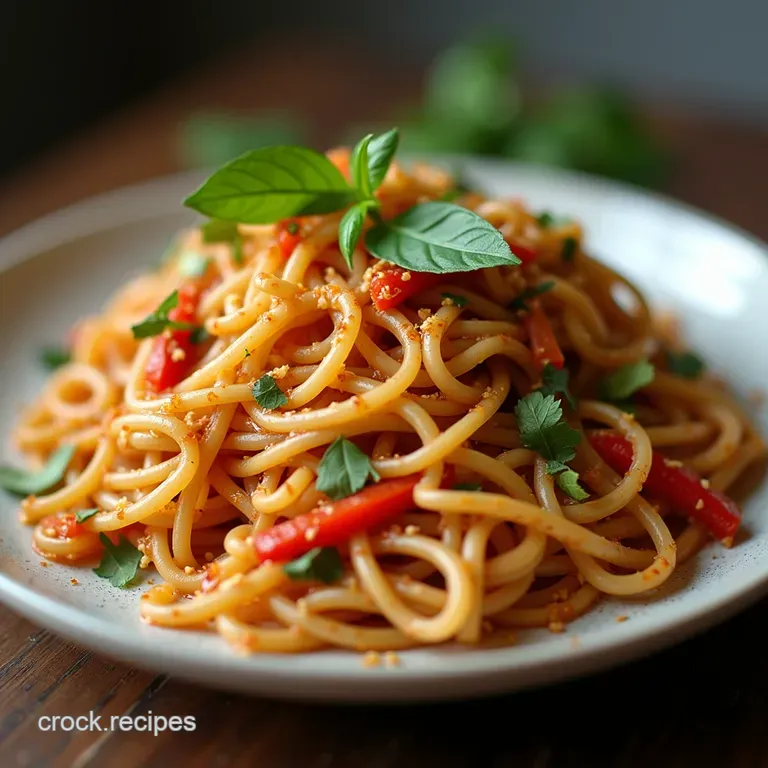
- Ditching Takeout: Bringing Bangkok Street Food Flavor Home
- Decoding the Pad Thai Magic: Why This Recipe Works
- The Essential Arsenal: Gathering Your Pad Thai Components
- Mastering the Tamarind Tang: Crafting the Signature Sauce
- The Wok Strategy: High Heat, Fast Action Cooking
- Step-by-Step Assembly for Perfect Pad Thai Execution
- Troubleshooting Your Stir-Fry: Common Pitfalls and Fixes
- Customizing Your Noodle Bowl: Beyond the Classic Recipe
- Recipe FAQs
- 📝 Recipe Card
Ditching Takeout: Bringing Bangkok Street Food Flavor Home
There are few noodle dishes that command the universal adoration of Pad Thai . It’s the quintessential flavour representative of Thailand globally, a harmonious collision of textures and tastes that dances between sweet, sour, salty, and deeply umami.
For many, ordering takeout is the standard approach, but I’m here to tell you that achieving that perfect, vibrant, tangy-sweet masterpiece at home is not only possible but incredibly rewarding.
This Easy Pad Thai Recipe demystifies the process, focusing on the crucial techniques that separate limp, overly sweet takeaway versions from the bright, perfectly textured classic. Get ready to master one of the world's most beloved Thai Dishes .
Decoding the Pad Thai Magic: Why This Recipe Works
Making great Pad Thai hinges on organization and managing heat. The entire cooking process is a whirlwind, often less than fifteen minutes once the fire is lit, meaning your preparation, or mise en place , must be flawless.
Our goal today is to create an Authentic Pad Thai Sauce Recipe that coats the noodles beautifully without drowning them. We are aiming for the texture you find at a bustling street stall: chewy, slightly sticky noodles, punctuated by pops of fresh crunch.
This approach ensures that every forkful delivers the intended balance that makes this dish so famous.
The Secret to Non-Soggy Noodles: Prepping for Perfection
The single biggest pitfall in this cuisine is soggy noodles. To combat this, we must respect the rice noodle's nature. We are not boiling them until they are soft; rather, we are soaking them just enough so they are pliable and slightly firm, what we call al dente .
When they hit the screaming hot wok later, they will absorb the sauce and finish cooking perfectly. If you use boiling water for this initial soak, they will instantly turn to glue when stir-fried. Remember, the starch needs to release slowly, not immediately.
Understanding the Four Pillars of Thai Flavor Balance
Every truly exceptional Traditional Thai Food Recipe relies on balancing four core tastes. For Pad Thai , this involves sourcing the right components: sourness from tamarind, saltiness from fish sauce, sweetness from palm sugar (or a suitable substitute), and a hint of heat, often added at the table.
Mastering this sauce ratio is the gateway to understanding all Easy Thai Recipes . When these elements sing in harmony, the resulting dish is complex yet utterly craveable.
Why We're Focusing on Authentic Ingredients Today
While substitutions are often necessary in home cooking, a few ingredients are the non-negotiables for genuine flavour in this recipe. Specifically, high-quality fish sauce and pure tamarind concentrate are essential.
Trying to substitute the deep, fruity sourness of tamarind with lemon juice or vinegar results in a flat, overly sharp taste. By investing a little time in sourcing these signature components, you elevate this from a simple stir-fry to an authentic experience.
The Essential Arsenal: Gathering Your Pad Thai Components
To successfully execute this Pad Thai Recipe in about 45 minutes total time (including prep), we need to ensure everything is measured, chopped, and staged near the stove before we begin.
For two generous servings, we’ll need about 5 ounces of dried, flat rice noodles (the 1/4-inch width is ideal). Our protein will be 6 ounces of plump shrimp, though firm tofu cubes work beautifully for a vegetarian take.
The supporting cast includes two eggs, plenty of fresh bean sprouts, fragrant garlic chives, and, crucially, the nuts for garnish.
Mastering the Tamarind Tang: Crafting the Signature Sauce
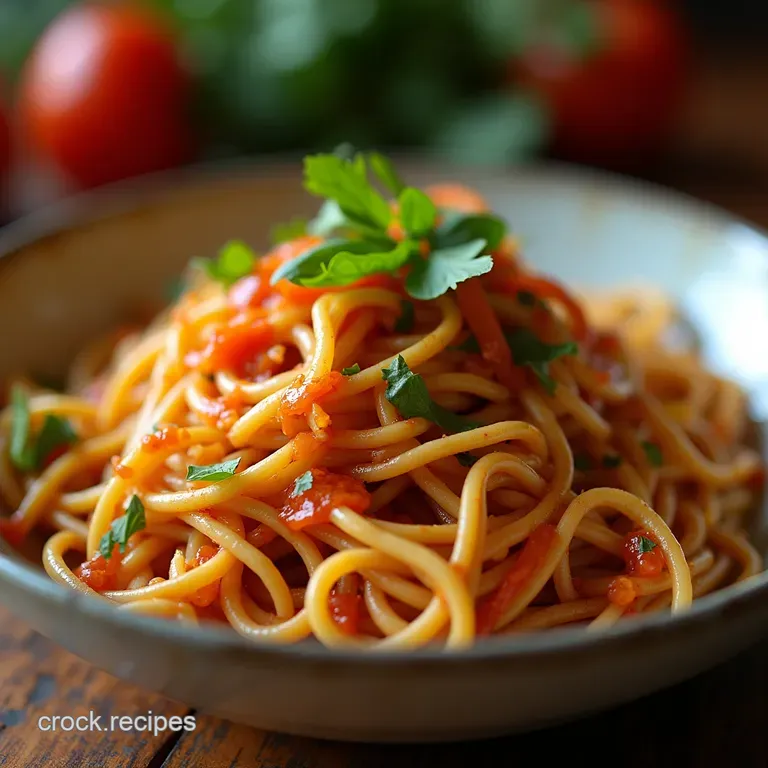
The sauce is the soul of this dish. It must be prepared ahead of time, as you won’t have time to measure and stir while the wok is smoking. We combine 3 tablespoons of rich tamarind concentrate, 3 tablespoons of robust fish sauce, and 3 tablespoons of finely chopped palm sugar (or light brown sugar, if palm is unavailable).
To help that dense sugar dissolve, we add just 2 tablespoons of water. These components are gently warmed in a small saucepan until the sugar completely melts, forming a sticky, glossy syrup. If you desire a touch of fire, whisk in half a teaspoon of Sriracha now.
Noodle Selection: Finding the Right Rice Stick Thickness
The choice of Pad Thai Noodles matters immensely. Look for dried, flat rice noodles that are roughly a quarter-inch wide, often labeled as "rice sticks." These have the perfect surface area to cling to the sauce and stand up to the intense heat of the wok without breaking down into mush.
We dedicate 30 minutes soaking these in warm, not hot, water until they are flexible but still possess a discernible snap when bent.
Protein Power: Integrating Shrimp, Chicken, or Tofu Options
For the classic street-style rendition, shrimp offers that wonderful pop of sweetness and texture. Ensure they are peeled and deveined, and patted very dry, excess moisture steams the food rather than searing it. If you prefer chicken, slice it thinly against the grain to ensure fast, even cooking.
For those avoiding animal products, use extra-firm tofu, pressed well to remove water, and cubed neatly.
Aromatic Building Blocks: Shallots, Garlic, and Dried Shrimp Explained
The foundational aromatics are simple: minced garlic and thinly sliced shallots. Shallots lend a milder sweetness than onion. For that extra layer of depth that truly signals authentic Thai Dishes , consider adding a teaspoon of finely chopped preserved sweet radish and a tiny sprinkle of rehydrated dried shrimp.
These add an unexpected, salty, oceanic depth that balances the sweetness of the sauce beautifully.
Related Recipes Worth Trying
- Juicy Air Fryer Thai Peanut Chicken Breast Recipe Easy Weeknight Fix — This Air Fryer Thai Peanut Chicken Breast recipe is a weeknight dream Get that classic peanut satay flavour cooked fast and perfectly tender in under an...
- 30Minute Chicken Pad Thai Recipe Better Than Takeout — Skip the takeaway This easy Chicken Pad Thai Recipe delivers authentic Thai flavours in just 30 minutes Quick delicious and perfect for a weeknight treat
- Thai Basil Beef Spring Rolls Crispy Easy Addictive — These Thai Basil Beef Mince Spring Rolls are seriously addictive Crispy fragrant and bursting with flavour a quick and easy Asianinspired appetiser Get the...
The Wok Strategy: High Heat, Fast Action Cooking
Cooking Pad Thai requires heat management. You need the pan screaming hot to achieve that characteristic light char, known as wok hei , but you must also prevent the sugar in the sauce from scorching instantly.
We will use neutral, high smoke-point oil, like canola or vegetable oil, and we will work quickly, pushing ingredients around the periphery of the wok when necessary to manage cooking zones.
Step-by-step Assembly for Perfect Pad Thai Execution
With all components prepared and the sauce simmering gently on a nearby burner, we move into the rapid cooking phase. This is where focus is key to delivering a successful batch of noodles.
Soaking the Rice Noodles: The Crucial First Ten Minutes
As mentioned, the noodles require about 20 to 30 minutes submerged in warm tap water until they bend without snapping. Drain them meticulously. If they look slightly sticky after draining, toss them with a tiny drop of oil to keep them separated until they hit the heat.
Building the Flavor Base: Frying the Aromatics and Protein
Start by heating half your oil in the wok until it shimmers. Add the garlic, shallots, and any optional dried elements (radish, dried shrimp). Stir-fry for only 30 seconds until fragrant. Immediately add your protein (shrimp or tofu) and cook until almost done.
Then, remove this mixture and set it aside, clearing the wok for the next critical step.
Introducing the Sauce: Achieving Caramelization Without Burning
Add the remaining oil. Pour in the two lightly beaten eggs and scramble them quickly until they are just set but still slightly damp. Now, introduce the soaked Pad Thai Noodles to the eggs, tossing them rapidly for about 60 seconds to coat them evenly.
Immediately pour the prepared sauce over the noodles. Toss constantly for two to three minutes. The noodles should slowly soften and absorb the liquid, beginning to caramelize around the edges.
The Final Toss: Integrating Eggs, Sprouts, and Peanuts
Once the noodles look perfectly cooked and coated, return the cooked protein mixture to the wok. Follow this by tossing in the generous quantity of bean sprouts and the cut garlic chives.
Give everything one final, vigorous toss, no more than 60 seconds, so the vegetables are wilted just enough to retain their satisfying crunch. Remove from heat the instant the chives begin to soften.
Troubleshooting Your Stir-Fry: Common Pitfalls and Fixes
If your noodles clumped, it usually means one of two things: you either didn't soak them long enough, or you overcrowded the wok, causing the temperature to drop dramatically. If your sauce tastes too sweet, add a splash more fish sauce or a squeeze of lime juice off the heat.
If the pan seems dry before the noodles are cooked, add a tablespoon of water, not more oil. Remember, this Pad Thai Recipe thrives on high heat and speed; patience during the toss leads to soupiness.
Customizing Your Noodle Bowl: Beyond the Classic Recipe
The beauty of this dish is its flexibility. While the classic flavour profile is set, additions and adjustments can personalize your bowl.
Storage Solutions: Keeping Leftover Pad Thai Fresh
Leftover stir-fries can sometimes become overly firm upon refrigeration. To store, place cooled Pad Thai in an airtight container and refrigerate for up to two days.
When reheating, sprinkle with a teaspoon of water per serving and microwave briefly, stirring halfway through, to reintroduce moisture.
Nutritional Snapshot: Estimating Macros for Home Cooking
While this isn't traditionally a low-fat meal due to the oil required for stir-frying, this homemade version allows for better control. On average, a serving hovers around 550–600 calories, featuring a good amount of carbohydrates from the noodles (around 75g) and solid protein content, especially if utilizing shrimp or tofu generously.
Spice Level Adjustment: From Mild Street Style to Inferno Heat
The default setting for this recipe is mildly warm. For those who prefer significant heat, you have two options: incorporate a whole bird’s eye chili, finely sliced, during the aromatic frying stage, or, more traditionally, serve a small dish of dried chilli flakes alongside the final plate, allowing each diner to calibrate their own inferno level.
Essential Tools for Next-Level Asian Stir-Fries
While a large, well-seasoned carbon steel wok is the gold standard for achieving authentic results, if you are focusing on Easy Thai Recipes for the first time, a very large, wide, heavy-bottomed skillet will suffice.
The crucial element is that your cooking surface allows you to toss the ingredients vigorously without spillage.
Recipe FAQs
My Pad Thai noodles always end up sticking together and turning mushy, how do I stop that?
Ah, the dreaded sticky noodle situation! The key to great Pad Thai is proper noodle preparation: soak them in warm water until they are pliable but still firm (al dente), never boil them.
Also, don't overcrowd the wok; if your pan isn't huge, cook this recipe in smaller batches so the high heat can properly caramelise the sauce rather than steam the noodles.
What is the absolute secret ingredient for authentic Pad Thai flavour?
That unmistakable zing comes from tamarind paste or concentrate, it’s the sour element that balances the fish sauce's saltiness and the sugar's sweetness. Don't be tempted to substitute it with vinegar or straight lime juice; you really need that deep, fruity tang that only tamarind provides for the true taste.
Can I make the Pad Thai sauce ahead of time, or does it need to be fresh?
Absolutely, making the sauce ahead of time is brilliant for efficiency! You can gently heat the tamarind, fish sauce, and sugar together until the sugar dissolves, then let it cool.
Having this pre-made sauce ready means when the noodles hit the wok, you are just minutes away from serving, it’s essential for keeping your cooking speed up!
I’m vegetarian, how do I make this authentic Pad Thai without fish sauce or eggs?
It’s easy enough to adapt! For the protein, use extra-firm tofu, making sure to press out as much water as possible first. Swap the fish sauce for a good quality, dark soy sauce or a dedicated vegan fish sauce substitute to maintain the salinity and umami depth.
For the eggs, simply omit them and perhaps add a little extra tofu or even some finely chopped shiitake mushrooms for texture.
How long will leftover Pad Thai keep in the fridge?
Leftover Pad Thai generally keeps well for about 2 to 3 days in an airtight container in the fridge. Be warned, though: rice noodles can stiffen up when chilled. To revive it, add a tablespoon or two of water or chicken stock to the pan when reheating over medium heat, stirring constantly until the noodles soften back up again.
The Ultimate Weeknight Pad Thai Sweet Sour Perfect Noodles