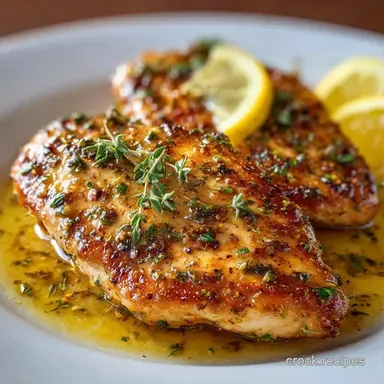
Mediterranean Chicken: Olive Oil Thighs
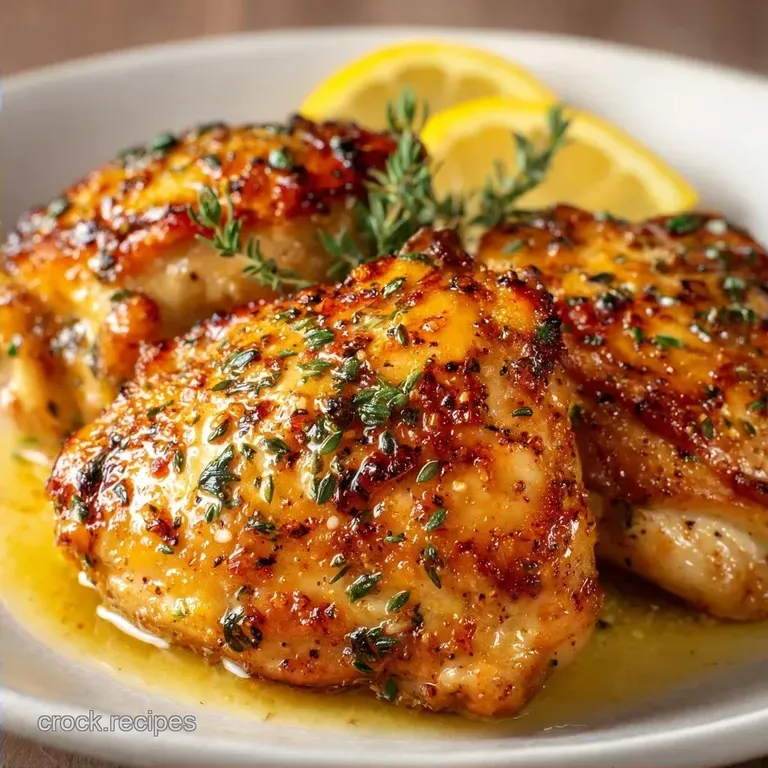
- Time:15 minutes active + 1 hour chilling
- Flavor/Texture Hook: Briny olives and shatter crisp skin
- Perfect for: Vibrant weeknight dinners or effortless hosting
That high pitched sizzle when skin on thighs hit a hot cast iron is honestly the best sound in the kitchen. I remember the first time I tried to do a one pan roast, and I just threw everything in raw. The result? Soggy skin and onions that were more steamed than roasted. It was a total letdown.
But once I started searing the meat first and adding the aromatics later, everything changed. You get this irresistible contrast between the salty, briny olives and the zesty lemon.
This Mediterranean Chicken is the ultimate quick win because the oven does the heavy lifting, leaving you with a dish that looks like it took hours of effort.
Expect a plate full of bold colors and deep, savory notes. We're talking about a meal that feels global and fresh, but fits perfectly into a busy Tuesday. Let's crack on.
Mediterranean Chicken
Acidic Tenderizing: The lemon juice breaks down tough muscle fibers, making the meat velvety.
Fat Conduction: Olive oil helps the heat transfer evenly from the pan to the skin, creating that golden crust.
Flavor Layering: Searing first builds a base of savory notes, while the oven roast melds the garlic and oregano into the meat.
Aromatic Infusion: Adding onions and olives late prevents them from burning while they soak up the chicken fat.
| Method | Time | Texture | Best For |
|---|---|---|---|
| Stovetop Only | 25 mins | Slightly softer skin | Ultra fast meals |
| Oven Only | 45 mins | Evenly cooked, pale skin | Large batches |
| Hybrid (Searing) | 45 mins | Shatter crisp skin | Maximum flavor |
Right then, since we're using a hybrid method, you get the best of both worlds. If you're looking for something even more indulgent, my Lemon Chicken Gnocchi recipe uses a similar citrus profile but with a creamy twist.
Essential Component Analysis
| Ingredient | Science Role | Pro Secret |
|---|---|---|
| Lemon Juice | pH Lowering | Use fresh juice; bottled lacks the bright punch |
| Dijon Mustard | Emulsifier | Keeps oil and lemon from separating in the marinade |
| Extra Virgin Olive Oil | Heat Medium | Use a high-quality oil to add peppery notes |
| Garlic | Flavor Base | Mince finely to avoid large, bitter burnt chunks |
Understanding how these parts interact is key. The mustard isn't just for taste, it actually acts as a glue that helps the oregano and salt stick to the chicken thighs.
What You'll Need
For the Mediterranean Olive Oil Chicken Marinade: - 1/3 cup extra virgin olive oil Why this? High smoke point and classic flavor (Substitute: Avocado oil for higher heat) - 3 tbsp fresh lemon juice Why this? Natural tenderizer (Substitute: White wine
Vinegar) - 1 tbsp Dijon mustard Why this? Binds the marinade (Substitute: Whole grain mustard for texture) - 4 cloves garlic, minced Why this? Pungent base (Substitute: 1 tsp garlic powder) - 1 tsp dried oregano Why this? Earthy
Aroma (Substitute: Dried thyme) - 1 tsp kosher salt Why this? Draws out moisture (Substitute: Sea salt) - 1/2 tsp cracked black pepper Why this? Subtle heat (Substitute: White pepper)
For the Roast: - 2 lbs bone in, skin on chicken thighs Why this? Juicier than breasts (Substitute: Mediterranean Olive Oil Chicken Breast - adjust time) - 1/2 cup Kalamata olives, pitted Why this? Briny punch (Substitute: Green Castelvetrano olives) - 1
Lemon, sliced into rounds Why this? Caramelized acidity (Substitute: Lime slices) - 1 red onion, cut into thick wedges Why this? Sweetness and color (Substitute: Shallots) - 1 cup fresh parsley, chopped Why this? Fresh
Finish (Substitute: Fresh cilantro)
Essential Kitchen Gear
You'll want a 12 inch oven safe skillet. Cast iron is the gold standard here because it holds heat like a beast, which is what gives the Mediterranean Chicken that professional crust. If you don't have one, a stainless steel pan that can go in the oven works too.
Avoid non stick pans for this. They can't handle the 200°C oven heat and won't give you the same sear. You'll also need a meat thermometer. According to USDA Food Safety guidelines, chicken must reach an internal temperature of 165°F (74°C) to be safe, and guessing by the juices is a risky game.
The Cooking Process
Preparing the Flavor Base
Whisk together the olive oil, lemon juice, mustard, garlic, oregano, salt, and pepper in a bowl. Ensure the mustard is fully blended so the marinade is smooth.
Marinating the Meat
Pat the chicken thighs completely dry with paper towels. Note: Wet skin won't crisp. Toss the chicken in the marinade and refrigerate for at least one hour. This is when the Mediterranean Olive Oil Chicken Marinade really penetrates the meat.
Searing for Golden Skin
Preheat oven to 400°F (200°C) and heat your skillet over medium high heat. Place chicken thighs skin side down. Press firmly for 2 minutes until the skin is golden brown and crackling, then flip and sear the other side for 3 minutes.
Adding the Aromatics
Scatter red onion wedges, lemon slices, and olives around the chicken in the pan. Don't crowd the chicken too much or they'll steam instead of roast.
Finishing in the Oven
Transfer the skillet to the oven. Roast for 15–20 minutes until the internal temperature hits 165°F (74°C).
Garnishing and Resting
Remove from oven and let the chicken rest in the pan juices for 5 minutes. Note: This lets juices redistribute. Garnish with fresh chopped parsley.
Chef's Tip: For a truly vibrant look, add the parsley at the very last second. The bright green against the purple olives and red onion creates an irresistible color balance.
What Can Go Wrong
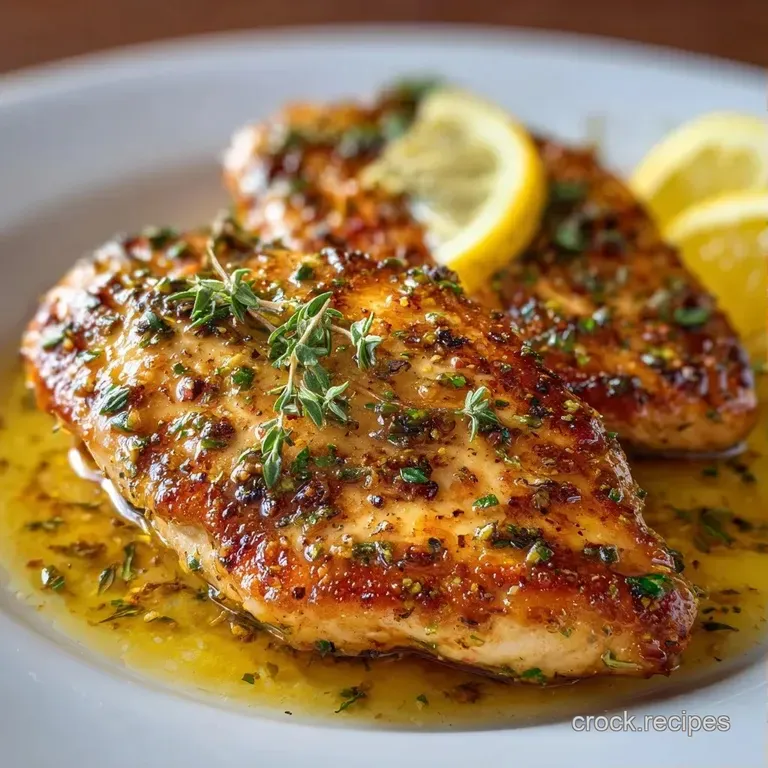
Troubleshooting Common Issues
| Issue | Solution |
|---|---|
| Why Your Skin Is Soggy | If you didn't pat the chicken dry or if you crowded the pan, the moisture creates steam. This prevents the skin from reaching that shatter crisp texture. |
| Why Your Garlic Is Bitter | Garlic burns quickly if the pan is screaming hot before the chicken goes in. If you see black specks of garlic, they'll taste acrid. Ensure you sear the chicken first, then add the rest of the veg. |
| Why Your Meat Is Rubbery | This usually happens if you overcook the chicken or don't let it rest. Overcooking forces the proteins to tighten, squeezing out all the moisture. |
Common Mistakes Checklist:
- ✓ Patting skin bone dry before marinating
- ✓ Avoiding the urge to flip the chicken too early
- ✓ Resting the meat for a full 5 minutes
- ✓ Using bone in thighs for maximum juiciness
- ✓ Not overloading the skillet with too many olives
Adjusting the Batch Size
If you're cooking for just yourself, use a smaller 8 inch skillet for the Mediterranean Chicken. Reduce the roasting time by about 20% since there's less mass in the pan to heat up.
For a crowd (doubling or tripling), do not try to jam 12 thighs into one pan. You'll end up with boiled chicken. Work in batches for the searing phase, then split the roasting between two skillets. When scaling the Mediterranean Chicken Marinade, only increase the salt and dried oregano to 1.5x.
Too much dried herb can become overpowering in large quantities.
| Scaling Need | Adjustment | Result |
|---|---|---|
| Half Batch | Smaller pan, -5 mins roast | Same crispiness |
| Double Batch | Two pans, 1.5x spices | Even cooking |
| Large Party | Batch sear, divide roast | Consistent texture |
Right then, keep in mind that the roasting time stays roughly the same regardless of the number of thighs, provided you aren't overcrowding the pan.
Common Cooking Myths
One big myth is that searing "seals in the juices." It doesn't. Moisture loss happens regardless of how you start the cook. The reason we sear this Mediterranean Chicken is for the flavor and the texture of the skin, not to lock in water.
Another misconception is that you must marinate for 24 hours for it to taste good. While a long soak is nice, the acid in the lemon juice works quickly. Marinating for more than 12 hours can actually make the meat mushy as the acid over denatures the proteins.
Storage Guidelines
Keep your leftover Mediterranean Chicken in an airtight container in the fridge for up to 4 days. When reheating, avoid the microwave if you want to keep the skin crisp. Instead, pop the thighs back in a 350°F (180°C) oven for 10 minutes.
For the freezer, this dish lasts about 3 months. I recommend freezing the chicken after it's cooked but before adding the fresh parsley. Thaw overnight in the fridge before reheating.
To avoid waste, take any leftover marinade (that hasn't touched raw meat) and whisk it into a dressing. It's basically a lemon herb salad dressing already. If you have leftover lemon slices, toss them into your water or tea for a bit of extra zest.
Best Serving Suggestions
This Mediterranean Chicken is a star on its own, but it needs some supporting actors. I love serving it over a bed of fluffy couscous or quinoa to soak up those briny pan juices. A side of roasted zucchini or a crisp Greek salad with feta completes the vibe.
For a more rustic feel, serve it with toasted sourdough bread to mop up the olive oil and lemon residue. The color balance of the red onions and green parsley makes it look stunning on a large platter, so feel free to serve it family style.
Trust me, the contrast of the warm, salty chicken with a cold, tangy side is what makes this meal feel truly global. It's vibrant, bold, and honestly, a total crowd pleaser.
High in Sodium
840 mg 840 mg of sodium per serving (37% 37% of daily value)
The American Heart Association recommends a limit of 2,300mg of sodium per day for most adults to reduce the risk of cardiovascular disease.
Tips to Reduce Sodium
-
Rinse the Olives-30%
Rinse the Kalamata olives under cold running water for 30 seconds to remove excess brine before adding them to the pan.
-
Cut the Added Salt-25%
Reduce the kosher salt from 1 tsp to 1/4 tsp or omit it entirely, as the olives and mustard already provide significant salinity.
-
Swap the Mustard-20%
Replace the standard Dijon with a low-sodium Dijon mustard or use a small amount of apple cider vinegar for a similar tang.
-
Enhance with Fresh Herbs
Increase the amount of fresh parsley and garlic to amplify the savory flavors without relying on salt.
Recipe FAQs
Can I use chicken thighs instead of chicken breasts?
Yes, thighs are highly recommended. Their higher fat content ensures the meat remains juicy and tender during the high heat roasting process.
How to cook boneless and skinless chicken thighs in an oven?
Roast at 400°F (200°C) for a shorter duration. Since there is no skin to crisp, reduce the initial searing time and monitor the internal temperature to hit 165°F (74°C) quickly to avoid drying out the meat.
Is it true that chicken breast is the best part of the chicken for this recipe?
No, this is a common misconception. Bone-in, skin-on thighs provide far more flavor and moisture than lean breasts when using this specific roasting method.
How to prevent the chicken skin from becoming soggy?
Pat the chicken thighs completely dry with paper towels. Moisture on the surface creates steam in the pan, which prevents the skin from reaching a shatter crisp texture.
What is the best way to cook skinless chicken thighs?
Sear them in a hot skillet before oven roasting. If you enjoyed mastering the searing technique here, see how the same principle works in our pan-seared tilapia for a perfect golden crust.
How long do you cook chicken thighs on the stove?
Sear skin side down for 2 minutes and the other side for 3 minutes. This creates a flavorful, golden brown crust before the chicken finishes roasting in the oven.
How to reheat leftovers while keeping the skin crisp?
Heat in a 350°F (180°C) oven for 10 minutes. Avoid using a microwave, as it will steam the meat and leave the skin soft and rubbery.
Mediterranean Chicken Roast