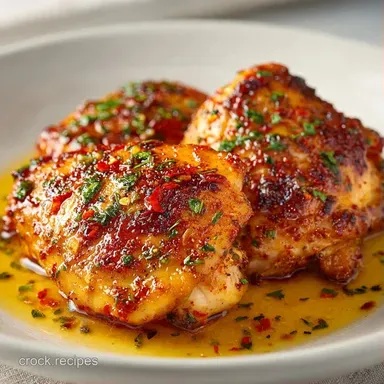
Juicy Baked Chicken Thighs: Crispy and Savory
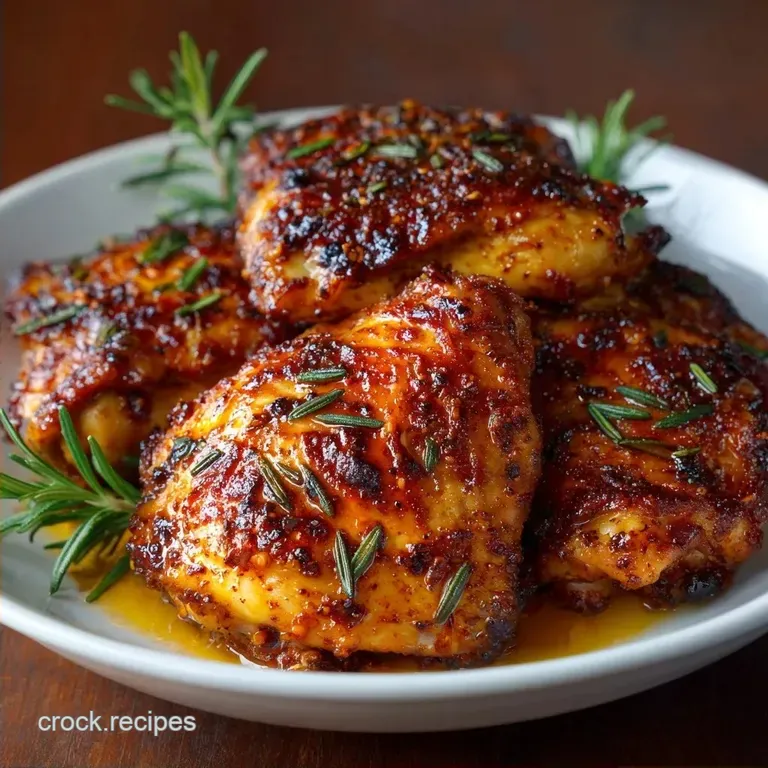
- Time:10 minutes active + 35 minutes cooking
- Flavor/Texture Hook: Mahogany crisp skin with a smoky, savory punch
- Perfect for: Busy weeknights or a hearty Sunday family meal
- Making The Best Juicy Baked Chicken Thighs
- Reasons This Method Works
- The Essential Component Analysis
- The Component List
- Step By Step Method
- Fixing Common Thigh Issues
- Troubleshooting Common Issues
- Adjusting For Different Sizes
- Common Kitchen Myths
- Storage and Bone Usage
- The Best Pairing Ideas
- Recipe FAQs
- 📝 Recipe Card
The smell of smoked paprika and garlic hitting a hot oven is honestly my favorite scent in the world. It’s that specific, savory aroma that fills the house and lets everyone know dinner is actually happening.
I remember the first time I tried to do this for a family gathering, and I just threw the thighs in a baking dish. The result? The bottoms were soggy, the skin was rubbery, and it was a total letdown.
I spent a few weekends messing around with different rack setups and temperatures until I realized the secret isn't just the heat, it's the airflow. Once I started elevating the meat, everything changed. Now, this is my go to because it's satisfying, hearty, and practically foolproof.
You can expect a piece of chicken where the skin has a literal snap to it, but the meat underneath is velvety and rich. These Juicy Baked Chicken Thighs don't require any fancy marinades or overnight soaking, just a few pantry staples and a bit of patience.
Making The Best Juicy Baked Chicken Thighs
The magic here is all about the contrast. We're aiming for a skin that's almost like a cracker, paired with meat that's so tender it barely needs a knife. I've found that bone in thighs are non negotiable for this specific result because the bone acts as a heat conductor and keeps the meat from drying out during the over high heat blast.
If you've ever struggled with "wet" skin, you're not alone. Most people forget that moisture is the enemy of a crisp crust. By patting the chicken dry and using a wire rack, we're essentially creating a mini convection oven on your baking sheet. It's the difference between steaming your meat and roasting it.
Right then, let's get into why this actually works. I'm not talking about complex chemistry, just the basic stuff that happens in your oven to make this dish a winner.
Reasons This Method Works
Surface Dryness: Removing water from the skin allows the oil and spices to adhere better and prevents the skin from steaming.
Air Circulation: A wire rack lets hot air wrap around the bottom of the chicken, so you don't get that dreaded soggy underside.
High Heat Blast: 425°F (218°C) is the sweet spot that renders the fat quickly, leading to a shatter crisp texture without overcooking the inside.
Carryover Heat: Pulling the meat at 175°F (80°C) allows the temperature to rise slightly while resting, ensuring the collagen in the thighs has fully broken down.
| Method | Cook Time | Texture | Best For |
|---|---|---|---|
| Classic (Rack) | 35 minutes | Shatter crisp skin | Sunday dinners |
| Fast (Flat Pan) | 25 minutes | Softer skin, juicier base | Quick weeknights |
| Slow Roast | 60 minutes | Very tender, less crisp | Meal prep |
The Essential Component Analysis
I don't use a lot of ingredients, but each one has a specific job. If you skip the paprika, you lose that deep mahogany color. If you skip the onion powder, the flavor profile feels thin and one dimensional.
| Ingredient | Science Role | Pro Secret |
|---|---|---|
| Smoked Paprika | Color and Depth | Provides the "grilled" flavor without a grill |
| Kosher Salt | Moisture Control | Draws out surface water for better crisping |
| Olive Oil | Heat Conductor | Helps the spices stick and fries the skin |
The Component List
Here is everything you need to get this going. I've listed these specifically, so make sure you're using the right versions for the best results.
- 2 lbs bone in, skin on chicken thighs Why this? Bone in stays juicier and has more flavor
- 1 tbsp extra virgin olive oil Why this? High smoke point and clean taste
- 1 tsp smoked paprika Why this? Essential for that deep red color
- 1 tsp garlic powder Why this? Distributed flavor without burning fresh garlic
- 1 tsp onion powder Why this? Adds a savory, aromatic baseline
- 1/2 tsp dried oregano Why this? Adds a subtle earthy brightness
- 1 tsp kosher salt Why this? Larger grains are easier to control
- 1/2 tsp black pepper Why this? Adds a necessary sharp bite
- 1/4 tsp cayenne pepper Why this? A tiny kick to balance the richness
Substitution Guide
| Original Ingredient | Substitute | Why It Works |
|---|---|---|
| Olive Oil (1 tbsp) | Melted Butter (1 tbsp) | Similar fat content. Note: Adds a nuttier, richer flavor |
| Smoked Paprika (1 tsp) | Sweet Paprika (1 tsp) | Same color. Note: Lacks the smoky depth |
| Kosher Salt (1 tsp) | Table Salt (3/4 tsp) | Same salinity. Note: Table salt is finer, so use less |
Trust me on this: don't bother with skinless thighs for this recipe. The skin is where the flavor lives, and without it, the high heat will likely dry out the meat before you get any decent color.
Step by step Method
Let's crack on. Make sure your oven is fully preheated before the chicken goes in, or you'll lose that initial sizzle.
- Preheat the oven to 425°F (218°C). Line a large rimmed baking sheet with parchment paper and place a wire cooling rack on top. Note: This prevents the chicken from sitting in its own grease.
- Use paper towels to pat the chicken thighs extremely dry. Focus specifically on the skin to ensure maximum crispiness.
- In a small bowl, whisk together the smoked paprika, garlic powder, onion powder, dried oregano, kosher salt, black pepper, and cayenne pepper.
- Drizzle the extra virgin olive oil over the chicken thighs and rub it in gently. Note: This creates a glue for your spices.
- Generously coat each piece of chicken with the spice blend. Ensure some seasoning is applied under the skin for better flavor penetration.
- Place the thighs on the wire rack, skin side up, leaving about 2 inches of space between each piece. Note: Crowding the pan creates steam, which ruins the crisp.
- Roast for 30–35 minutes until the skin is a deep mahogany color and an instant read meat thermometer indicates an internal temperature of 175°F (80°C) in the thickest part of the thigh.
- Remove from the oven and let the meat rest on the rack for 5 minutes before serving.
Chef's Tip: If you want the skin to be absolutely otherworldly, leave the chicken uncovered in the fridge for 2 hours before cooking. This dries out the skin even further.
Fixing Common Thigh Issues
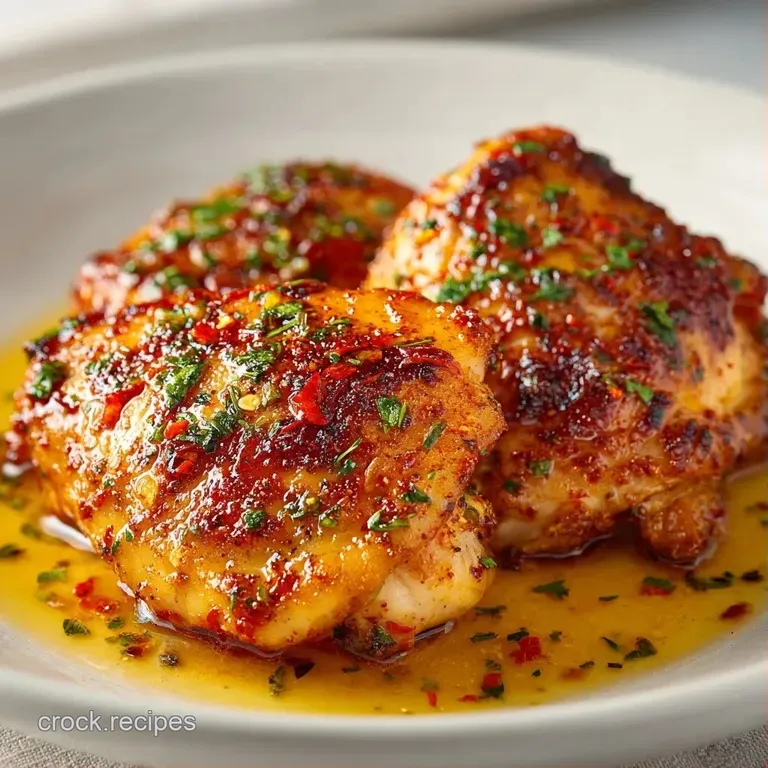
Even the best of us mess up sometimes. Usually, the problem is either the temperature or the moisture levels.
Troubleshooting Common Issues
| Issue | Solution |
|---|---|
| Why Your Skin Is Rubbery | This usually happens if the oven isn't hot enough or if the chicken was damp when it went in. If the skin doesn't sizzle immediately, it'll just boil in its own fat. |
| Why The Meat Is Dry | Overcooking is the main culprit here. While thighs are forgiving, taking them past 185°F (85°C) starts to strip away the moisture. According to Serious Eats style sauce or use the pan drippings to make a quick pan gravy. |
Adjusting For Different Sizes
Cooking for two or cooking for a crowd requires a few small shifts. You can't just double everything and hope for the best.
Scaling Down (1/2 batch): Use a smaller baking sheet to keep the heat concentrated. You might find the chicken cooks 5-10% faster, so start checking the temperature at the 25 minute mark.
Scaling Up (2x-4x batch): Work in batches if necessary. If you crowd the oven, the temperature will drop, and the skin won't shatter. If you must do two sheets at once, swap their positions (top rack to bottom rack) halfway through the cook time.
Reduce the salt slightly (to about 1.5x rather than 2x) to avoid over seasoning.
Common Kitchen Myths
Myth: Searing meat first seals in the juices. This is a total lie. Searing creates flavor and color, but it doesn't create a waterproof barrier. Moisture loss happens throughout the entire cooking process regardless of whether you sear first.
Myth: Chicken thighs must be cooked to 165°F (74°C). While that's the safety minimum, thighs have lots of connective tissue that doesn't break down until they hit about 175°F-185°F.
Cooking them higher actually makes them more tender, not drier.
Storage and Bone Usage
In the Fridge: Store your leftovers in an airtight container for up to 4 days. To keep the skin from getting soggy, don't seal the container until the chicken is completely cool.
In the Freezer: These freeze surprisingly well. Wrap them tightly in foil and then a freezer bag for up to 3 months.
The Best Reheat: Avoid the microwave at all costs it'll turn that crisp skin into rubber. Put the thighs back in a 350°F (175°C) oven for 10 minutes to bring back the crunch.
Zero Waste Tip: Don't throw away the bones if you're using boneless thighs or have leftovers. Toss the bones and any veggie scraps into a pot of water with a splash of apple cider vinegar to make a rich, homemade bone broth. It's pure gold for soups.
The Best Pairing Ideas
Since these Juicy Baked Chicken Thighs are so rich and savory, you need sides that cut through that heaviness. I love pairing them with something bright and acidic, like a crisp cucumber salad or roasted asparagus with a squeeze of lemon.
For a more comforting meal, try serving them over a bed of creamy mashed potatoes or with some honey glazed carrots. If you're planning a full blown feast, this pairs beautifully with the side dishes I usually serve with my Sunday roast chicken.
Whether you're serving this for a quick Tuesday night dinner or a cozy weekend meal, the key is keeping the contrast alive. That snap of the skin followed by the succulent meat is what makes this recipe a winner. Enjoy!
Recipe FAQs
Is it better to bake chicken thighs at 400 or 425?
Use 425°F. This high heat ensures the skin crisps quickly while the meat stays juicy inside.
How to keep chicken thighs juicy in the oven?
Use a meat thermometer to hit 175°F. Pulling the chicken at this temperature prevents moisture loss, which occurs if the meat exceeds 185°F.
Can I use chicken thighs instead of chicken breasts?
Yes, and they are often tastier. Thighs contain more fat and connective tissue, making them more forgiving and harder to overcook than breasts.
How to cook skinless chicken thighs without drying them out?
Reduce the roasting time. Without the skin to insulate the meat, they cook faster and can dry out if left in for the full 35 minutes.
Is chicken breast the best part of the chicken for juiciness?
No, this is a common misconception. Thighs are naturally juicier and more flavorful due to their higher fat content compared to the lean breast.
What are some other ways to prepare chicken thighs?
Try different spice profiles or one-pan methods. If you enjoy the ease of a single tray, you can make chicken with veggies for a complete meal.
How to ensure the skin gets crispy?
Pat the skin extremely dry with paper towels. Any surface moisture will steam the meat rather than sear it, resulting in rubbery skin.
Juicy Baked Chicken Thighs