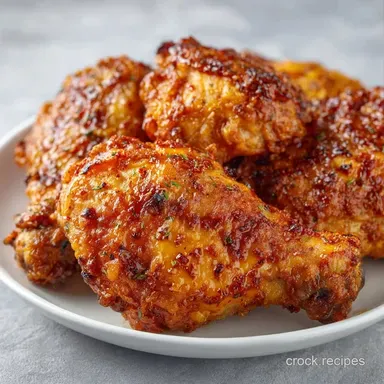
Garlic Butter Baked Thighs: Shatter Crisp Skin
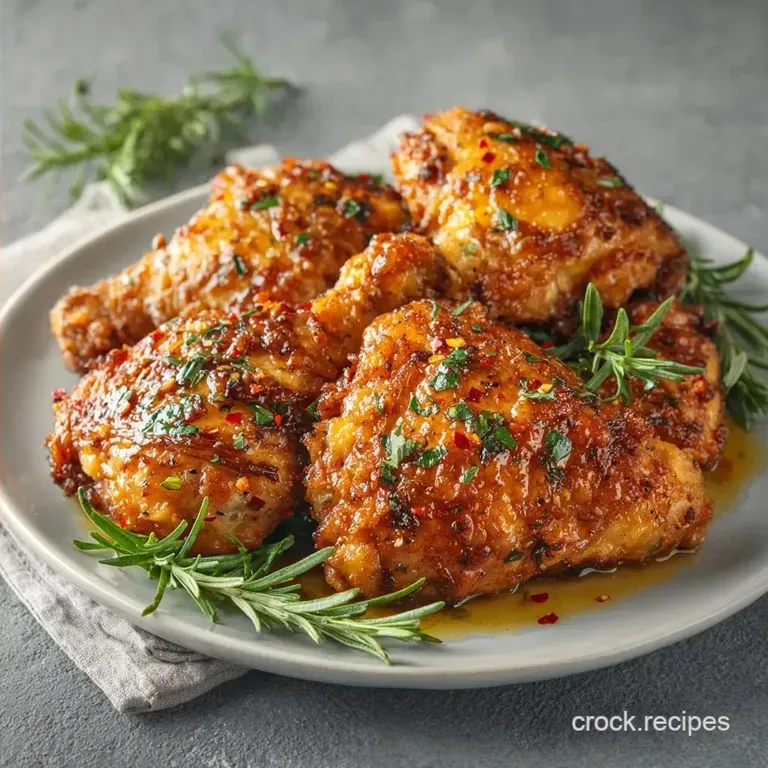
- Time: 10 min active + 40 min baking
- Flavor/Texture Hook: Shatter crisp skin with a rich, buttery garlic punch
- Perfect for: Stress free weeknight dinners or a cozy Sunday roast
Garlic Butter Baked Thighs
That first smell is what gets you. You know the one, where the garlic starts to toast in the butter and it fills the whole kitchen with this warm, savory cloud. I remember the first time I tried to do this with a store-bought garlic spread, and it was just... flat.
It didn't have that bite, and the skin ended up rubbery. I realized then that real, cold pressed butter and fresh cloves are the only way to go if you want that deep, comforting flavor.
The secret is in the contrast. You've got the salty, smoky exterior that crackles when you hit it with a fork, and then the meat just slides off the bone. These Garlic Butter Baked Thighs aren't about fancy techniques, they're about doing the basics right.
We're talking about aggressive drying and a precise temperature to make sure you aren't just boiling the chicken in its own juices.
I've spent way too much time experimenting with different fats, but honestly, stick to the unsalted butter. It lets you control the salt perfectly, especially since we're using sea salt in the dry rub.
By the time these hit the table, your house will smell like a professional bistro, and your guests will think you spent hours on it. Trust me, it's a total win for the minimal effort involved.
The Secret to Golden Skin
When you're roasting, you're basically fighting a war against moisture. If the skin is damp, the heat spends all its energy evaporating that water instead of browning the skin. By patting the chicken dry, we remove the barrier, allowing the heat to hit the proteins and fats immediately.
This is what creates that shatter effect rather than a soggy, pale finish.
The Fat Barrier: Butter acts as a heat conductor, frying the skin from the top down while the oven heats it from the bottom.
The Acid Balance: A splash of lemon juice cuts through the heavy richness of the butter, brightening the whole dish.
The Smoke Factor: Smoked paprika doesn't just add color, it mimics the flavor of a charcoal grill in a standard oven.
The Bone Shield: The bone acts as an insulator, preventing the meat from overcooking while the skin gets crispy.
| Comparison | Fresh Garlic | Garlic Powder | Impact on Taste |
|---|---|---|---|
| Texture | Tiny toasted bits | Uniform coating | Fresh has more "pop" |
| Aroma | Pungent and rich | Subtle and savory | Fresh fills the room |
| Burn Risk | Higher (bits brown) | Lower | Fresh is worth the risk |
Component Analysis and Needs
I've found that using high-quality sea salt makes a huge difference here. Table salt can sometimes be too "sharp," while sea salt provides a more rounded seasoning that complements the butter. For the chicken, I always go for bone in, skin on.
If you use boneless, you lose that internal moisture and the flavor depth that comes from the marrow.
| Ingredient | Science Role | Pro Secret |
|---|---|---|
| Unsalted Butter | Heat conductor | Melt it slowly to avoid separating |
| Lemon Juice | PH Balancer | Rub a little on the skin before the glaze |
| Smoked Paprika | Color & Depth | Use a Spanish pimentón for better smoke |
| Sea Salt | Protein binder | Season 15 mins early to draw out moisture |
Essential Tools for Roasting
You don't need a professional kitchen for this, but a few tools make it way easier. I highly recommend a cast iron skillet. It holds heat much better than a thin baking sheet, which helps the bottom of the thighs sear while the top roasts.
If you don't have one, a heavy duty rimmed baking sheet works just fine, but you might miss out on a bit of that bottom up crispiness.
A pastry brush is my other go to. Spreading the butter with a spoon is fine, but a brush ensures a thin, even layer. If the butter is too thick, it can actually steam the skin instead of frying it. Also, grab a digital meat thermometer. Guessing the doneness of chicken is how you end up with either raw centers or dry, stringy meat. According to Serious Eats, hitting that precise internal temperature is the only way to guarantee juicy results every time.
Step by step Roasting Guide
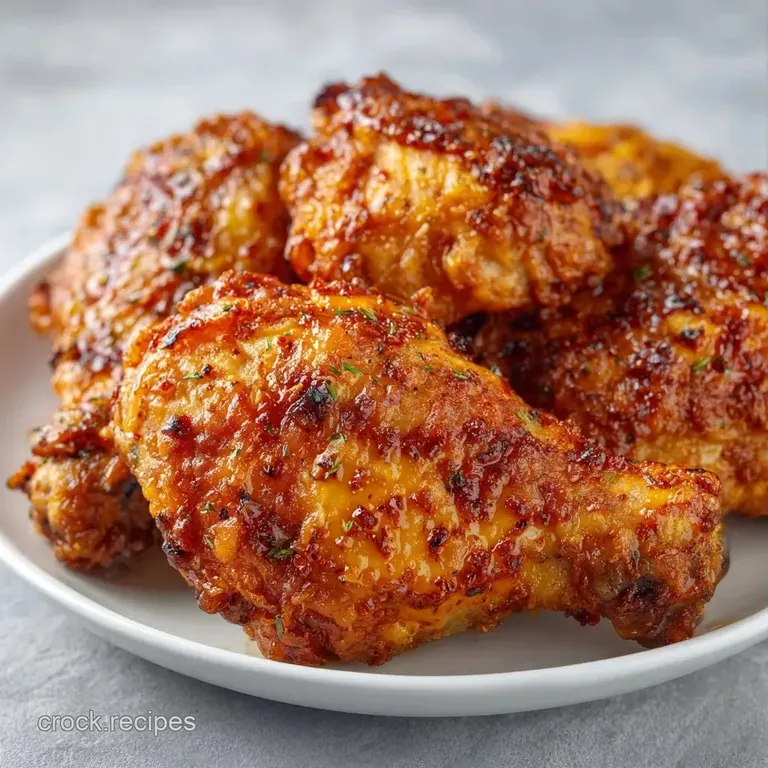
Right then, let's get into it. Make sure your oven is fully preheated before the chicken goes in, or you'll lose that initial sear.
- Preheat the oven to 400°F (200°C). Note: A hot oven is non negotiable for crispy skin.
- Use paper towels to aggressively pat the chicken thighs dry on all sides. Wait until the skin feels tacky, not damp.
- In a small bowl, mix the 1 tsp sea salt, 1/2 tsp cracked black pepper, and 1 tsp smoked paprika.
- Season the chicken generously, focusing specifically on the underside of the skin. Note: This seasons the meat directly.
- In a separate small bowl, whisk together 3 tbsp melted unsalted butter, 4 cloves minced garlic, 1 tbsp fresh lemon juice, 1 tsp dried parsley, and 1/2 tsp onion powder.
- Using a pastry brush, coat the top of each chicken thigh with the garlic butter glaze. Ensure it's a thin, velvety layer.
- Place the thighs skin side up in a cast iron skillet or rimmed baking sheet.
- Bake for 35–40 minutes until the skin is golden and sizzling.
- Use a thermometer to check that the thickest part has reached 165°F (74°C).
- Let the meat rest for 5 minutes before serving. Note: This lets the juices redistribute.
Fixing Common Roasting Issues
One mistake I once made was overloading the pan. If the thighs are touching, they'll steam each other, and you'll get those annoying pale spots on the skin. Give them some breathing room. Also, if your garlic is browning too quickly, it's usually because your oven runs hot.
You can tent them loosely with foil for the last 10 minutes if the color is getting too dark.
Why Your Skin is Rubbery
This usually happens if the chicken was too wet when it went in or if the oven temp dropped. Make sure you're not opening the door every five minutes to peek.
Why the Garlic Burned
Minced garlic has a high sugar content and can burn at 400°F if the pieces are too large. Ensure your mince is very fine.
| Problem | Root Cause | Solution |
|---|---|---|
| Rubbery Skin | Excess moisture | Pat dry with more paper towels |
| Bitter Taste | Burnt garlic bits | Mince garlic finer or add it halfway |
| Dry Meat | Overcooked | Use a thermometer; pull at 165°F |
Pro Roasting Checklist
- ✓ Skin is patted bone dry.
- ✓ Thighs have at least 1 inch of space between them.
- ✓ Oven is fully preheated to 200°C.
- ✓ Internal temp is checked in the thickest part.
- ✓ Meat has rested for 5 minutes.
Flavor Variations and Ideas
If you're feeling adventurous, you can easily tweak this. For a "Lemon Garlic Butter Baked Chicken Thighs" vibe, just double the lemon juice and add some fresh zest to the butter glaze. It adds a bright, citrusy punch that's great for spring.
If you want to make Garlic Butter Baked Chicken Thighs and Potatoes, just toss some halved baby potatoes in the same pan with a bit of extra salt and oil. They'll roast in the chicken drippings, which is honestly the best part.
For those who prefer a different protein, my sticky salmon recipe uses a similar glaze logic but with a sweeter profile. If you're planning a bigger feast, these thighs make a great side to a roasted turkey for a crowd.
The Boneless Option
Can I use Garlic Butter Boneless Skinless Chicken Thighs? Yes, but reduce the bake time to about 20-25 minutes. Since there's no skin or bone, they cook much faster and can dry out if you leave them in for 40 minutes.
Heart Healthy Swaps
If you want to avoid butter, you can use olive oil. Note: Olive oil won't give you that same creamy, rich flavor, but it'll still get the skin crispy.
Decision Shortcut
- If you want more crunch: Add a pinch of cornstarch to the dry rub.
- If you want more sauce: Double the butter glaze and pour the extra over the meat after roasting.
- If you're short on time: Use boneless thighs and cut the bake time in half.
Storage and Leftover Tips
These keep surprisingly well. Store them in an airtight container in the fridge for up to 4 days. The skin will lose its shatter, but the meat stays juicy. To get that crunch back, don't use the microwave.
Instead, pop them in an air fryer or oven at 350°F (175°C) for about 5 minutes.
For the freezer, let them cool completely, wrap them tightly in foil, and place them in a freezer bag for up to 3 months. Thaw them in the fridge overnight before reheating.
To avoid waste, don't throw away the pan drippings! That liquid gold is packed with garlic and chicken flavor. I usually pour it over some steamed rice or use it as a base for a quick pan gravy. You can also simmer the bones from the thighs with some onion and carrot scraps to make a small batch of concentrated stock.
Best Ways to Serve
I love serving these with something that can soak up that extra garlic butter. A pile of mashed potatoes or a side of garlicky sautéed spinach is a classic for a reason. If you want something lighter, a crisp arugula salad with a light vinaigrette balances the richness of the butter perfectly.
When plating, I like to drizzle any remaining butter from the pan right over the top of the skin just before serving. It gives it a glossy, professional look and adds one last hit of flavor. Serve them while they're still sizzling for the best experience. It's a hearty, satisfying meal that feels like a hug on a plate.
Trust me, once you try the bone in method with a real butter glaze, you'll never go back to the bland, skinless versions.
Recipe FAQs
Can I use boneless skinless thighs instead of bone-in skin-on?
Yes, but reduce the cooking time. Without the bone and skin to insulate the meat, they will reach 165°F much faster than the standard 35-40 minutes.
How to cook boneless and skinless chicken thighs in an oven?
Preheat your oven to 400°F and bake until the internal temperature hits 165°F. Check them early, as they lack the protective skin and bone of the original recipe.
Is it true that chicken breast is the best part of the chicken for roasting?
No, this is a common misconception. Thighs have more fat and connective tissue, allowing them to stay juicy and flavorful at high roasting temperatures where breasts often dry out.
Can I use chicken thighs instead of chicken breasts in other recipes?
Yes, they often result in a more succulent dish. Thighs provide a richness similar to the profile found in creamy chicken meatballs.
How do I ensure the skin gets maximum crispiness?
Pat the skin aggressively dry with paper towels. Removing surface moisture prevents steaming and allows the skin to sear and shatter.
What is the best way to reheat leftover thighs without them becoming soggy?
Use an air fryer or oven at 350°F for about 5 minutes. Avoid the microwave, which turns the skin rubbery instead of crisp.
How to tell when the chicken thighs are safely cooked?
Insert a meat thermometer into the thickest part of the thigh. Remove the chicken from the oven once it registers a steady 165°F.
Garlic Butter Baked Thighs