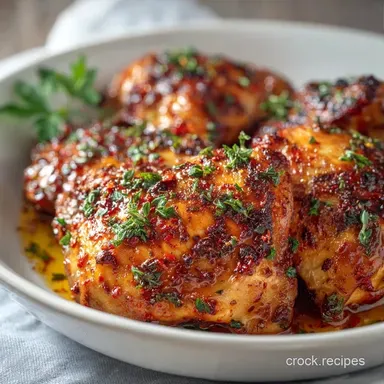
Oven Baked Boneless Thighs: Golden and Tender
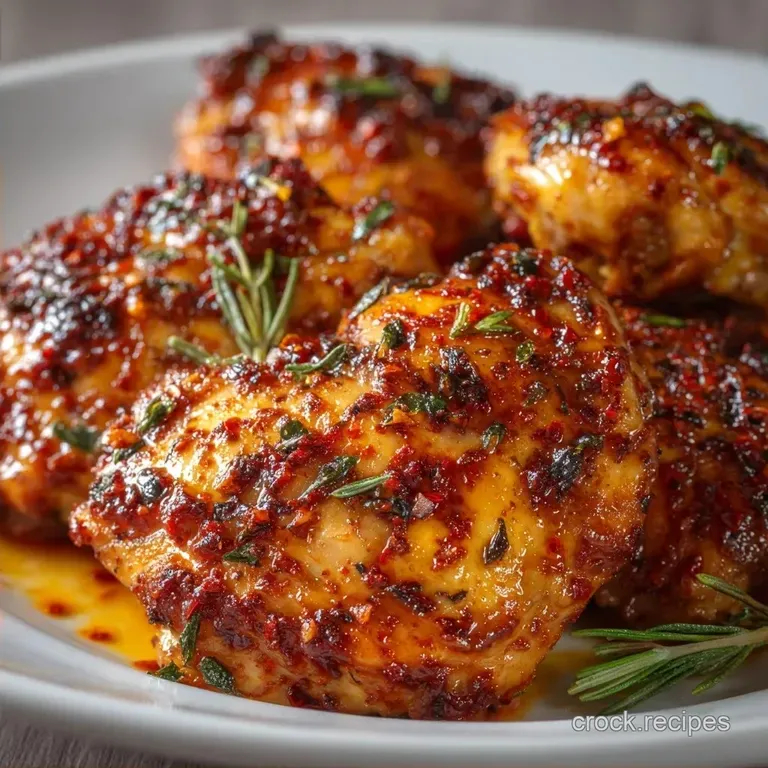
- Time: 10 min active + 25 min cook
- Flavor/Texture Hook: Deep golden edges with a velvety interior
- Perfect for: Hearty weeknight dinners or meal prep
You know that feeling when you pull chicken out of the oven and it looks... grey? Not brown, not golden, just a sad, pale grey that tastes like it was steamed in a sauna instead of roasted. I've been there, usually because I was too lazy to pat the meat dry or I used a temperature that was way too low.
The trick to getting that hearty, satisfying crust is all about moisture control and aggressive heat. If the surface is wet, the oven spends all its energy evaporating water instead of browning the meat.
Once you nail the "dry surface" rule, these Oven Baked Boneless Thighs become the most reliable thing in your rotation. We're talking about meat that's juicy enough to be comforting but has those concentrated, salty edges that make a meal feel complete.
Easy Oven Baked Boneless Thighs
The Browning Secret
Surface Evaporation: Water on the skin acts as a barrier to heat, preventing the meat from browning until the moisture is gone.
High Heat Conduction: 425°F (218°C) triggers rapid browning on the outside while the fat in the thighs protects the inside from overcooking.
Fat Insulation: Because thighs have more intramuscular fat than breasts, they can handle higher temperatures without turning into rubber.
Spice Adhesion: The olive oil creates a conductive layer that helps the dry rub stick and fry against the meat.
| Approach | Temp | Cook Time | Final Texture |
|---|---|---|---|
| Low & Slow | 350°F | 45-50 min | Soft, pale, tender |
| High Heat | 425°F | 25 min | Charred edges, juicy |
Component Analysis
| Ingredient | Science Role | Pro Secret |
|---|---|---|
| Olive Oil | Heat Conductor | Use a high smoke point oil for a cleaner sear |
| Smoked Paprika | Color & Aroma | Adds a "grill" flavor without an actual grill |
| Sea Salt | Protein Binder | Pulls moisture out of the surface for better browning |
| Lemon Juice | Acid Balance | Cuts through the richness of the thigh fat |
Gathering Your Essentials
For this recipe, we're keeping it simple but effective. You don't need fancy ingredients, just the right ones to build those flavor layers.
- 2 lbs boneless skinless chicken thighs Why this? Higher fat content prevents dryness
- 2 tbsp olive oil Why this? Helps spices stick and conducts heat
- 1 tsp fine sea salt Why this? Essential for seasoning deep into the meat
- 1/2 tsp cracked black pepper Why this? Adds a sharp, woody bite
- 1 tsp garlic powder Why this? More evenly distributed than fresh garlic
- 1 tsp smoked paprika Why this? Gives that deep, reddish gold color
- 1/2 tsp onion powder Why this? Adds a subtle, savory sweetness
- 1/2 tsp dried oregano Why this? Earthy notes to balance the smoke
- 1 tbsp fresh parsley, chopped Why this? Bright, fresh contrast to the roasted meat
- 1 lemon, cut into wedges Why this? The acid "wakes up" the heavy flavors
| Original Ingredient | Substitute | Why It Works |
|---|---|---|
| Olive Oil (2 tbsp) | Avocado Oil (2 tbsp) | Higher smoke point. Note: Neutral flavor, great for very high heat |
| Smoked Paprika | Sweet Paprika | Similar color. Note: Loses the "charred" woody taste |
| Dried Oregano | Dried Thyme | Similar earthy profile. Note: Slightly more floral |
Right then, before we start, make sure your oven is fully preheated. Putting meat into a lukewarm oven is the fastest way to end up with that rubbery texture we're trying to avoid.
Gear for the Job
You don't need a professional kitchen for this, but a few specific tools make it easier. I always use a large rimmed baking sheet. If you use a pan with high sides, you might accidentally trap steam, which is the enemy of the crust.
Parchment paper is my go to for easy cleanup, though foil works too. If you're looking for a more intense flavor, you could try a cast iron skillet, but the baking sheet gives you more room to spread the pieces out.
Finally, a digital meat thermometer is the only way to be 100% sure. I've seen too many people overcook their chicken because they "think it looks done," only to find it's dry.
Step by step Method
Phase 1: The Prep
- Lay the chicken thighs on paper towels and pat them firmly on both sides until completely dry. Note: This is the most important step for browning
- In a large bowl, toss the thighs with olive oil until every inch is glossy.
- Sprinkle the salt, pepper, garlic powder, paprika, onion powder, and oregano over the meat, massaging the spices in with your hands for an even coating.
Phase 2: The Roast
- Line a baking sheet with parchment paper or aluminum foil and place the thighs in a single layer, leaving at least 1 inch of space between each piece. Note: Crowding the pan creates steam
- Bake in a preheated oven at 425°F (218°C) for 20-25 minutes until the edges are deep golden brown.
- Use a meat thermometer to ensure the thickest part of the thigh has reached 165°F (74°C) according to safe minimum temperatures here.
Phase 3: The Finish
- Transfer the chicken to a plate and let it rest for 5 minutes to allow juices to redistribute.
- Sprinkle with fresh parsley and squeeze fresh lemon juice over the top before serving.
Chef's Tip: For an even deeper flavor, try adding a pinch of espresso powder to your dry rub. It doesn't make it taste like coffee, but it enhances the smokiness of the paprika.
Fixing Common Issues
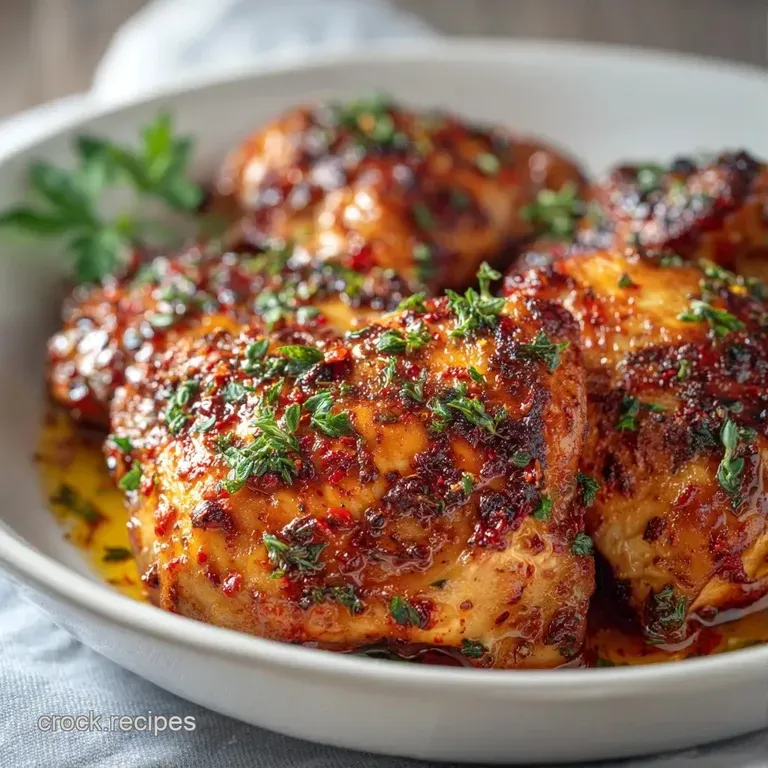
When people struggle with Oven Baked Boneless Thighs, it's usually a temperature or moisture problem. If your chicken is releasing a pool of liquid on the pan, you've either crowded the pan or didn't dry the meat enough. This liquid essentially boils the chicken rather than roasting it.
Why Your Chicken is Pale
If the meat is cooked through but looks white or grey, your oven temperature is likely too low, or the chicken was too cold when it went in. High heat is what creates the "sizzle" in the oven.
Why the Meat is Rubbery
This usually happens when the chicken is overcooked or cooked too slowly. Thighs are forgiving, but even they have a limit. Always pull them at 165°F.
| Problem | Root Cause | Solution |
|---|---|---|
| Watery Pan | Crowded pieces | Leave 1 inch gap between thighs |
| Dry Meat | Overcooked | Use a thermometer; pull at 165°F |
| Bland Taste | Under salted | Salt the meat 15 mins before oiling |
Common Mistakes Checklist
- ✓ Patted chicken dry with paper towels
- ✓ Oven fully preheated to 425°F
- ✓ Thighs placed in a single layer (no overlapping)
- ✓ Rested for 5 minutes before slicing
- ✓ Lemon squeezed on at the very end
Adjusting Your Batch Size
If you're just cooking for one or two, you can easily halve this. Use a smaller baking sheet so the oil doesn't spread too thin, and check the temperature about 5 minutes earlier, as smaller batches sometimes cook slightly faster.
For a crowd (2x or 3x the recipe), don't just double the spices. I usually go to about 1.5x the salt and paprika to avoid it becoming overwhelming. Most importantly, work in batches. If you cram 12 thighs onto one tray, they'll steam and lose that golden crust.
If you must use two trays in one oven, swap their positions (top rack to bottom rack) halfway through the 25 minutes. This ensures the heat hits every piece of chicken evenly.
If you enjoy this over high heat roasting style, you might also like my Bake Chilli Chicken recipe for a spicier kick.
Truth About Chicken
Searing meat in a pan does not "seal in juices." That's a total myth. Moisture loss happens regardless of how you start the cook. The real reason we sear or use high oven heat is for the flavor and texture of the browned crust.
Another misconception is that boneless thighs are "less healthy" than breasts. While they have more fat, that fat is what keeps the meat velvety and prevents it from becoming a dry sponge.
Finally,, some say you need to marinate chicken overnight. While it helps, a heavy dry rub with a bit of oil and salt is often more effective for achieving a crispy exterior in a short amount of time.
Storing and Saving
These Oven Baked Boneless Thighs stay great in the fridge for 3-4 days. Keep them in an airtight container with a splash of lemon juice or a damp paper towel to keep them from drying out.
For the freezer, let them cool completely, then freeze for up to 3 months. I recommend freezing them in portions. To reheat, avoid the microwave if you can. A quick 5-10 minutes in a 350°F oven brings back that roasted texture without making the meat rubbery.
Don't throw away the pan drippings! That brown liquid on the parchment paper is pure gold. I usually whisk it into a bit of chicken stock and a knob of butter to make a quick pan sauce for the meat.
Best Side Dish Pairs
Since this dish is hearty and savory, you need sides that provide a bit of freshness or acidity to cut through the richness. A crisp cucumber salad or some steamed asparagus works beautifully.
If you want something more filling, roasted root vegetables are the way to go. You can even toss some diced potatoes and carrots in the same oil and spice blend and roast them on a separate tray at the same temperature.
For a more adventurous pairing, try serving these with a side of fluffy couscous or a zesty quinoa bowl. The lemon finish on the chicken ties everything together, making it a satisfying meal that feels like a treat but takes very little effort.
Recipe FAQs
Is it better to bake boneless chicken thighs at 350 or 400?
Neither; use 425°F. This higher temperature is essential for getting those deep golden brown edges while keeping the inside juicy.
How long do you have to bake boneless chicken thighs in the oven?
Bake for 20 25 minutes. Use a meat thermometer to confirm the thickest part of the thigh has reached 165°F.
Are chicken thighs good for diabetics?
Yes, they are an excellent choice. They provide a hearty source of protein without any added sugars or carbs.
Do you bake boneless chicken thighs covered or uncovered?
Bake them uncovered. Leaving the chicken exposed allows the spices to roast and the edges to brown instead of steaming.
What is the best way to cook skinless chicken thighs?
Pat the meat completely dry with paper towels before adding oil and spices. Removing surface moisture is the only way to ensure the chicken browns rather than steams.
Can I use chicken thighs instead of chicken breasts?
Yes, and they are often preferred. Thighs are more forgiving and stay juicier than breasts; if you enjoy the moisture of dark meat here, see how that principle works in our roast chicken.
What can I do with two pounds of boneless chicken thighs?
Season and bake them all at once on a single parchment lined sheet. They make a perfect high protein meal prep that stays fresh in the fridge for up to four days.
Oven Baked Boneless Thighs