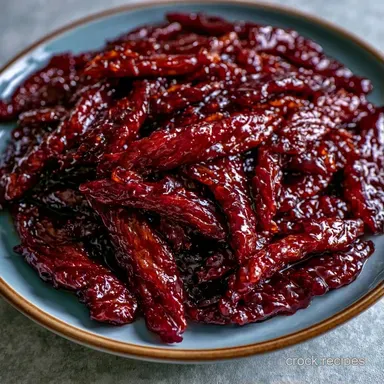
Better-Than-Takeout Mongolian Beef
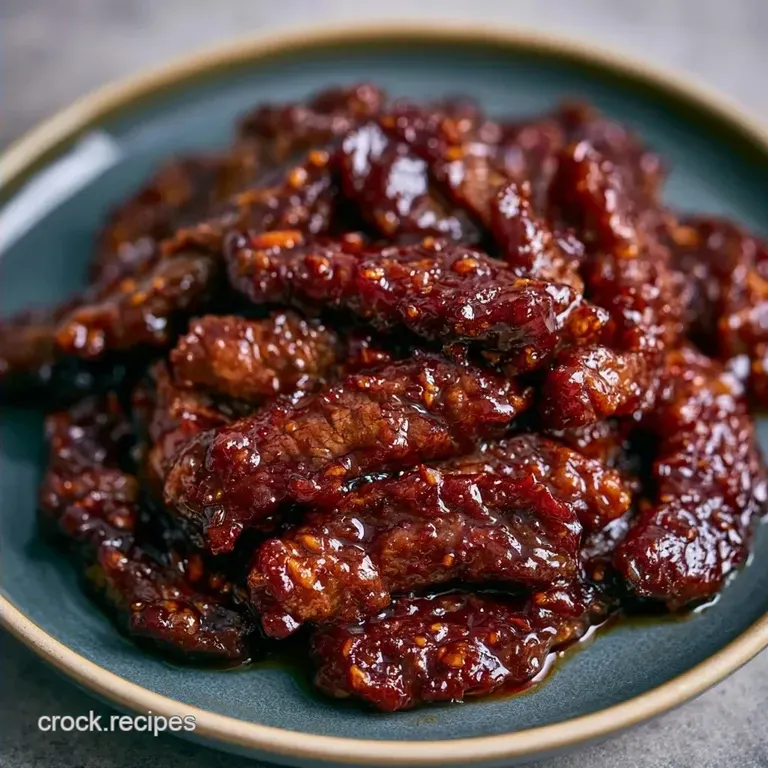
- Time: 20 minutes prep + 15 minutes on the stove
- The Appeal: Mahogany charred edges with a glossy, syrupy glaze
- Perfect for: A fast weeknight meal that tastes like a restaurant dish
- Quick Mongolian Beef Stats
- Why Most Mongolian Beef Recipes Fail
- The Beef and Sauce Components
- Gear for the Perfect Sear
- Making the Mongolian Beef
- Handling Common Stir Fry Issues
- Different Ways to Serve It
- Cooking Method Comparison
- Keeping Leftovers Fresh
- Plating for Visual Impact
- CRITICAL: Very High in Sodium
- Recipe FAQs
- 📝 Recipe Card
Quick Mongolian Beef Stats
Few sounds are as satisfying as flank steak hitting a piping hot wok. I once believed that getting those charred, crispy edges found in restaurants required a commercial-grade burner.
I spent months attempting a Pf Changs Mongolian Beef homemade style, but I usually ended up with grey, boiled meat sitting in a watery mess.
You don't need expensive equipment to make this happen. The secret isn't your stove; it's the moisture. Simply tossing meat into the pan often leads to steaming rather than searing.
By prioritizing the prep and the heat, you can recreate that gorgeous, glossy finish at home. This recipe highlights the balance between salty soy and caramelized brown sugar.
Why Most Mongolian Beef Recipes Fail
The Cornstarch Shield: Coating the beef in starch creates a physical barrier. This prevents the meat from toughening up while it sears at high temperatures.
Heat Management: Most home cooks use medium heat, which causes the meat to release juice. Using a smoking hot pan ensures the beef browns in 3 minutes instead of steaming.
The Beef and Sauce Components
The balance here is simple but strict. You need enough sugar to get that syrupy cling, but enough soy to keep it savory.
| Component | Purpose | Substitute Notes |
|---|---|---|
| Flank Steak | Lean but flavorful | Sirloin works, but it's pricier and slightly different texture |
| Cornstarch | Creates the "velvet" crust | Potato starch is a great swap; arrowroot also works |
| Brown Sugar | Caramelization and sweetness | Honey adds a floral note and makes the sauce thicker |
| Soy Sauce | Salt and deep color | Tamari for gluten-free; slightly saltier |
For the Velveting Coating
You'll need 680g (1.5 lbs) of flank steak, thinly sliced against the grain. Use 1 tbsp soy sauce, 1/2 tsp black pepper, and 60g (1/4 cup) of cornstarch. Why this? The starch bonds to the meat to keep it tender.
For the Mahogany Glaze
Combine 120ml (1/2 cup) soy sauce, 110g (1/2 cup) packed brown sugar, 1 tbsp minced fresh ginger, 3 cloves minced garlic, and 5ml (1 tsp) sesame oil. Why this? This ratio creates a thick, glossy reduction.
For the Finish
Have 2 tbsp vegetable oil for frying, 3 stalks of green onions (cut into 2 inch lengths), and 1 tsp toasted sesame seeds ready. Why this? The onions add a fresh, sharp contrast to the sugar.
Gear for the Perfect Sear
While a wok is the standard, a large stainless steel or cast iron skillet works just as well. The goal is a surface that can hold high heat without cooling down the moment the meat hits it.
Avoid non stick pans if you can. They don't handle the extreme heat needed for that mahogany crust as well as steel or iron. You'll also want a wide spatula to flip the beef quickly.
Making the Mongolian Beef
Now, let's begin the cooking process. Ensure the meat is entirely dry before you start.
- Thinly slice the flank steak against the grain and use paper towels to dry the meat thoroughly. Note: Excess moisture will cause the meat to steam rather than sear.
- In a bowl, combine the beef with 1 tbsp soy sauce, pepper, and cornstarch, tossing until a thin, opaque coating forms. Let it rest for 10 minutes.
- Heat vegetable oil in a wok over high heat until it starts to shimmer or smoke.
- Sear the beef in a single layer, working in batches, for 2-3 minutes per side until firm and charred mahogany. Transfer to a plate.
- In the same wok, sauté the ginger and garlic for 30 seconds until fragrant.
- Stir in the remaining soy sauce, brown sugar, and sesame oil. Boil over medium-high heat, stirring constantly, for 2-3 minutes until syrupy.
- Return the beef and green onions to the wok. Toss rapidly for 60 seconds until the beef is glossy and onions have slightly wilted.
- Garnish with toasted sesame seeds before serving.
Chef's Tip: If the beef is too lean, place it in the freezer for 15 minutes before slicing. This makes it much easier to get those razor-thin strips.
Handling Common Stir Fry Issues
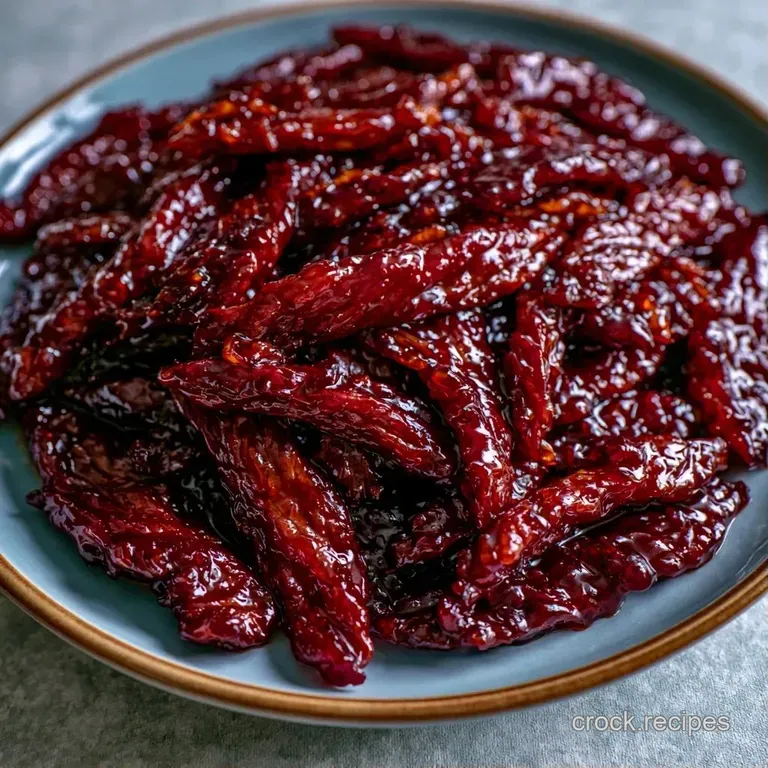
Texture is typically the biggest challenge when making Mongolian Beef. If the meat turns out rubbery, it's usually due to overcrowding the pan or inadequate heat. Adding too much beef at once causes the temperature to drop, which leads to the meat boiling in its own juices.
The sauce can also be tricky. A watery texture indicates that the sugars haven't concentrated enough. It should reach a thick, syrupy consistency before the meat is reintroduced.
Fixing Rubberiness
This happens when protein fibers steam or tighten too quickly. To keep the heat high, sear the meat in small batches.
Preventing Watery Sauce
Ensure the sauce boils for at least 2 minutes. Notice how the bubbles become larger and slower as it thickens.
Avoiding Burnt Garlic
Garlic scorches rapidly under high heat. To protect it, always add it just before the liquid ingredients.
| Problem | Root Cause | Solution |
|---|---|---|
| Rubber Beef | Low heat or overcrowding | Cook in 2-3 smaller batches |
| Watery Glaze | Insufficient reduction | Boil sauce 1-2 mins longer |
| Burnt Garlic | Added too early to high heat | Add garlic just before the soy sauce |
Different Ways to Serve It
Steamed jasmine rice is my go-to pairing, but there are plenty of other options. For a lighter alternative, try serving the beef atop sautéed bok choy or steamed broccoli; the earthy flavor of the vegetables balances the sweet glaze perfectly.
If you prefer a rich, creamy sauce over a salty glaze, my Cream Cheese Chicken is a wonderful addition to your weekly meal plan. For those who enjoy a bit of spice, stirring in a teaspoon of red chili flakes or a splash of sriracha gives the sauce a nice zing.
| Goal | What to change |
|---|---|
| More Heat | Add 1 tsp red chili flakes |
| Lower Salt | Swap half the soy for coconut aminos |
| Extra Crunch | Double the sesame seeds |
Cooking Method Comparison
Depending on your gear, you might be tempted to try this in the oven. Here is how they stack up.
| Feature | Stovetop (Wok/Skillet) | Oven (Broiler) |
|---|---|---|
| Sear Quality | High, charred edges | uneven, slower |
| Sauce Texture | Glossy and clinging | Can pool at bottom |
| Speed | 15 minutes | 20-25 minutes |
Keeping Leftovers Fresh
Keep your Mongolian Beef in an airtight glass container in the refrigerator for 3 days. It is normal for the sauce to thicken as it chills.
To keep the edges crisp, skip the microwave when reheating. Simply toss the beef back into a hot pan for 2 minutes, adding a bit of water to thin the glaze. This recipe isn't ideal for the freezer, as the cornstarch coating can get gummy once thawed.
For more hearty, prep-ahead family meals, see this Baked Tortellini Casserole.
Reduce waste by adding the leftover green onion tops to an omelet or using them to garnish ramen. Any remaining marinade can be simmered down to serve as a quick stir fry sauce for vegetables.
Plating for Visual Impact
Since this meal features a deep, dark brown color, adding some contrast will make it stand out. That's where the sesame seeds and green onions really shine.
| Level | Presentation Style | Key Tweak |
|---|---|---|
| Simple | Heaped on a plate over rice | Sprinkle onions over the top |
| Polished | Neatly molded rice with beef on the side | Bias-cut green onions |
| Restaurant | Wide shallow bowl, beef centered | Toasted seeds + fresh chili slivers |
For a Vibrant Look
Serve the beef on a white or light-toned plate. The dark mahogany glaze of the Mongolian Beef pops much more against a light background than it does on a dark one.
For a Professional Touch
Slice your green onions at a sharp angle. This produces longer, more refined pieces for a truly professional presentation.
And there you have it, Pf Changs Mongolian Beef made quick and easy at home. The secret is in the prep, so take your time drying the meat. Once you achieve that perfect sear, the rest is just a fast simmer and toss. Enjoy your Mongolian Beef!
CRITICAL: Very High in Sodium
1480 mg 1,480 mg of sodium per serving (64% 64% of daily value)
The American Heart Association recommends a limit of 2,300mg of sodium per day for most adults to reduce the risk of cardiovascular disease.
Tips to Reduce Sodium in Your Steak Stir-Fry
-
Swap for Low-Sodium Soy-30%
Replace the regular soy sauce in both the marinade and the sauce with low-sodium soy sauce to significantly lower the salt content.
-
Use Coconut Aminos-25%
Substitute the soy sauce with coconut aminos, which provides a similar savory-sweet profile with a fraction of the sodium.
-
Balance with Acidity-20%
Reduce the soy sauce quantity by half and add rice vinegar or fresh lime juice to create a bright flavor that offsets the need for salt.
-
Dilute the Sauce-15%
Replace a portion of the soy sauce with water or unsalted beef broth to maintain the desired sauce consistency while cutting sodium.
-
Amplify Aromatics
Increase the amount of fresh ginger, garlic, and black pepper to add complexity and punch to the flavor without adding any salt.
Recipe FAQs
What defines PF Chang's Mongolian Beef?
It's a sweet and savory stir-fry. The dish features flank steak seared at high heat and tossed in a glossy soy-ginger glaze.
How does the Mongolian sauce taste?
It is a rich balance of salty and sweet. The brown sugar provides a deep caramel flavor that cuts through the soy sauce. If you enjoy this profile, you'll love the zesty finish of a pineapple stir fry sauce.
Is it true that frozen Mongolian Beef tastes the same as restaurant quality?
That's a myth. Freshly seared flank steak with a cornstarch barrier provides a crispness and tenderness that frozen options cannot replicate.
Does this dish qualify as healthy?
No, it is a treat. With 545 calories and significant sugar from the brown sugar, it is best enjoyed as an occasional meal.
How to prevent the beef from getting tough?
Slice flank steak thinly against the grain. This breaks up the muscle fibers, ensuring the meat remains tender after the quick sear.
Which cut of meat works best?
Flank steak is the ideal choice. It offers a great balance of lean meat and flavor that stands up well to high-heat flash frying.
What makes the sauce look so glossy?
Boil the soy sauce and brown sugar for 2-3 minutes. This reduces the liquid into a syrupy consistency that clings to the meat.
Mongolian Beef in 35 Minutes