Sticky Smoky Chefs Perfect Yakitori Chicken Skewers with Classic Tare Glaze
- Decoding the Magic of Authentic Yakitori Chicken
- Why This Skewer Recipe Captures the Izakaya Spirit
- Assembling Your Yakitori Toolkit and Pantry Staples
- The Step-by-Step Journey to Impeccable Yakitori Chicken
- Troubleshooting and Elevating Your Skewers
- Serving Suggestions and Storage Insights
- Frequently Asked Questions
- 📝 Recipe Card
Decoding the Magic of Authentic Yakitori Chicken
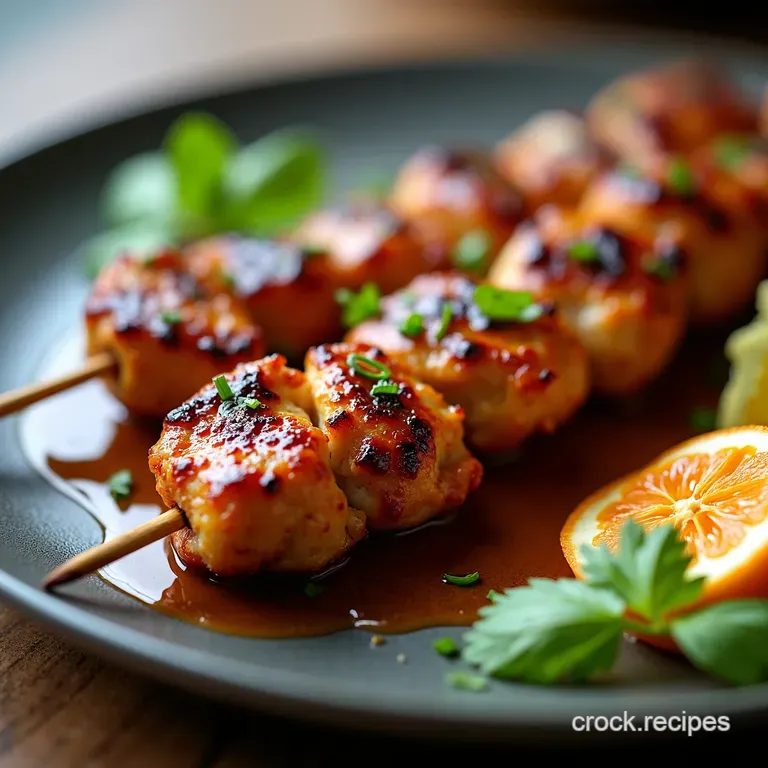
The world of Japanese cuisine offers countless delights, but few capture the simple, satisfying joy of a bustling izakaya (Japanese pub) quite like Yakitori Chicken .
Far more refined than its Western barbecue cousins, Yakitori is an art form centered on perfectly cooked, flavour infused chicken skewered and grilled over high heat. Our goal today is to demystify this process, transforming your backyard grill into a genuine smokehouse dedicated to this iconic street food.
Forget bland, dry chicken; we are chasing tender meat enveloped in a sticky, sweet, and intensely savoury glaze.
Why This Skewer Recipe Captures the Izakaya Spirit
This particular Yakitori Chicken Recipe focuses on balancing simplicity with high impact flavour. We rely on quality ingredients and precise technique to achieve that hallmark charred exterior and juicy interior.
Achieving the perfect Yakitori Chicken Thighs means embracing the richness of the dark meat, which stands up beautifully to the high heat required for caramelisation.
Beyond the Grill: Understanding Japanese Skewering Philosophy
In Japan, Yakitori preparation is highly specialised. The philosophy dictates that the skewering method (how the meat and vegetables are arranged) is just as important as the seasoning.
Whether you choose the simple, meat only approach or the common Negima style (alternating chicken and scallions), the key is consistency. Every piece must be cut to a uniform size roughly one inch ensuring that when you construct your Chicken Yakitori Skewers , they cook evenly from end-to-end.
This attention to detail prevents the frustrating scenario where one cube is charred while another remains undercooked.
The Secret to That Signature Char and Stickiness
The magic ingredient, which sets this apart from any standard grilled chicken, is the Tare . This classic Japanese Chicken Marinade is not truly a marinade; rather, it’s a reduction sauce applied throughout the cooking process, creating that iconic Yakitori Glaze Recipe .
When the sugars in the Tare hit the high heat of the grill, they caramelise rapidly, developing a deep mahogany colour and a wonderfully sticky texture we aim for in these Charred Chicken Skewers . This process, repeated multiple times, builds layer upon layer of incredible flavour.
Meet Your New Favorite Weeknight Japanese Delight
Despite its reputation for culinary rigour, crafting Easy Yakitori Skewers at home is entirely achievable. With about 20 minutes of active prep, you can have these assembled and ready for grilling.
This recipe yields enough for four satisfying servings, making it a fantastic, impressive yet low-stress option for a Friday night meal when you crave something truly special. We are aiming for an Authentic Yakitori Recipe experience without needing a flight to Tokyo.
Assembling Your Yakitori Toolkit and Pantry Staples
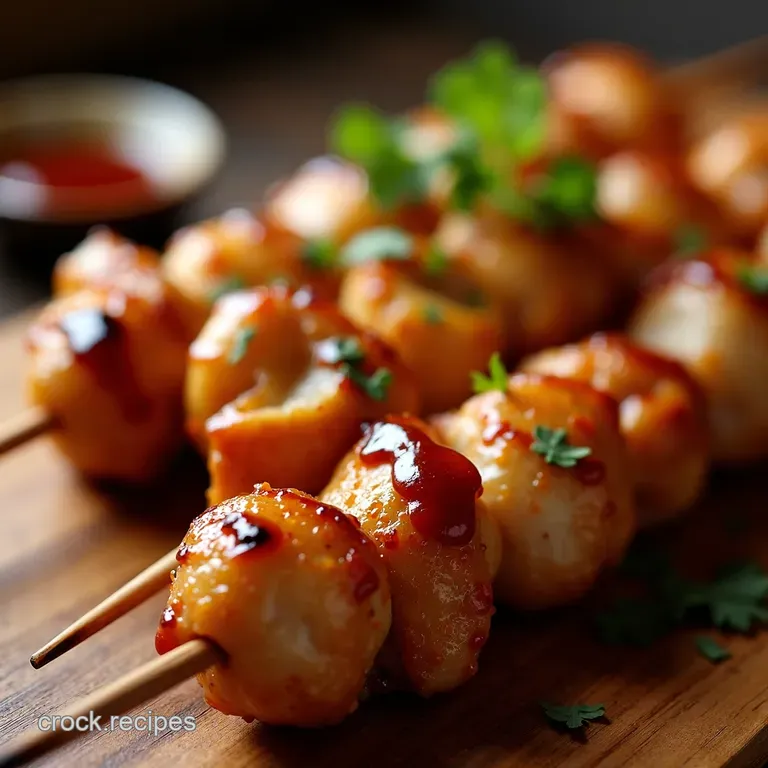
Before we dive into the heat, preparation is paramount. Yakitori success hinges on having the right components ready to go. This means selecting the best possible protein and crafting the foundational Tare sauce.
The Core Components of the Classic Tare Sauce
The Homemade Yakitori Sauce is a beautiful trinity of Japanese staples: soy sauce, mirin, and sake, sweetened lightly with sugar. You will need about half a cup of quality soy sauce for depth, paired with an equal amount of sweet mirin essential for that characteristic shine and stickiness.
Add a quarter cup of sake, which provides a subtle alcoholic depth that evaporates beautifully during simmering, and two tablespoons of granulated sugar. Combine these in a saucepan, bring them to a gentle simmer, and reduce until the mixture lightly coats the back of a spoon.
This reduced sauce becomes the basting agent that transforms raw chicken into caramelized perfection.
Selecting and Preparing the Chicken Thighs
For the most succulent results, we strictly adhere to using boneless, skin-on Yakitori Chicken Thighs . Thigh meat inherently contains more fat and connective tissue than breast meat, allowing it to remain juicy and tender even when subjected to the high temperatures necessary to achieve the char.
Cube your thighs into uniform one-inch pieces. On top of that,, you’ll need four large green onions (scallions); use the white and light green parts, also cut into one-inch chunks. These vegetables offer a delightful aromatic bite and crisp texture contrasting the rich chicken.
Necessary Equipment for True Yakitori Style
The most critical piece of gear, often overlooked, is the skewers themselves. If you opt for traditional bamboo skewers, you must soak them in water for at least 30 minutes prior to assembly.
This crucial step prevents them from igniting or burning black on the grill before your chicken is cooked through. Beyond soaking, you’ll need a reliable grill (charcoal provides superior smoke flavour, but gas works well), a small saucepan for reducing the Tare, and a dedicated pastry brush reserved solely for applying that beautiful glaze.
Related Recipes Worth Trying
- Easy Chicken Alfredo Tater Tot Casserole Recipe Comfort Bake — Discover the ultimate Chicken Alfredo Tater Tot Casserole recipe Rich creamy Alfredo sauce meets tender chicken under a crisp tot topping So simple
- Air Fryer Chicken Taquitos Crispy Easy Weeknight Recipe — Forget the deep fat fryer Make these genuinely crispy Air Fryer Chicken Taquitos in under 40 minutes An easy recipe perfect for game day snacks
- Homestyle Broccoli Cheddar Chicken Bake Easy Comfort Recipe — Whip up this easy Broccoli Cheddar Chicken Bake featuring a rich homemade cheese sauce A truly comforting casserole thats perfect for any weeknight meal
The step-by-step Journey to Impeccable Yakitori Chicken
Once your ingredients are prepped and your skewers have soaked, the cooking process is a focused dance between heat application and flavour layering. We'll break this down into assembly, initial grilling, and the vital basting sequence.
Perfecting the Cube Size for Even Cooking
As noted, aim for one-inch cubes of chicken. Inconsistent sizing is the fastest way to ruin a batch. If some pieces are much larger, they will retain raw centres while smaller pieces dry out. Lay out your pieces and quickly trim any excessively large sections so that every cube is ready to cook uniformly.
Building the Skewers: Spacing and Tension Matters
Now we assemble. Thread the chicken cubes and the one-inch pieces of green onion onto the soaked skewers, alternating between them. The goal here is snugness, not overcrowding. The pieces should touch lightly, allowing for slight expansion during cooking, but they shouldn’t be jammed so tightly that heat cannot penetrate the gaps between the pieces of meat.
Achieving the Ideal Basting Technique
The basting cannot begin too early. Place your assembled skewers over medium high heat. Grill them for about 3– 4 minutes per side until the chicken begins to firm up and light grill marks appear.
The internal temperature should be approaching 150° F ( 65° C). This is the moment to introduce the Yakitori Glaze Recipe . Use your pastry brush to coat the skewers liberally with the warm Tare sauce.
Grilling or Broiling: Choosing Your Heat Source Wisely
When you apply the glaze, you must lower your attention level significantly. The sugar content means the glaze can scorch in seconds. Turn the skewers frequently every minute or so applying another thin layer of Tare each time you flip.
Continue this process until the chicken reaches a safe internal temperature of 165° F ( 74° C) and the glaze is thick, tacky, and richly charred.
If you are using a broiler, position the rack closer to the heat source but watch constantly, as broilers develop char very quickly.
Troubleshooting and Elevating Your Skewers
Even with the best intentions, minor hiccups can occur. The most common issue is a burned exterior with an uncooked centre, which almost always points back to heat management during the glazing phase.
If you notice the glaze burning before the chicken is done, immediately move the skewers to a cooler zone on the grill or reduce the heat slightly, allowing the interior more time to catch up without incinerating the beautiful coating you’ve built.
A meat thermometer is your best friend here; aim for that 165° F mark as your final cue.
Serving Suggestions and Storage Insights
Once rested for just two minutes, your Charred Chicken Skewers are ready for their final presentation. Garnish them immediately with a light sprinkle of toasted sesame seeds for aroma and a dash of Shichimi Togarashi (Japanese seven spice blend) if you prefer a gentle lingering heat.
Making the Tare Sauce From Scratch vs. store-bought
While many high end Asian markets sell pre-made Yakitori sauces, crafting the Homemade Yakitori Sauce is highly recommended. The difference in freshness and balance is palpable.
store-bought versions often contain thickeners or preservatives that don't replicate the natural reduction and shine achieved by simmering fresh mirin and sake. On top of that,, making a batch yields plenty for future grilling adventures.
Exploring Non-Chicken Variations (Beyond the Basics)
While we celebrate Yakitori Chicken Thighs , the concept extends beautifully to other proteins. Known as Kushiyaki , skewers can feature pork belly ( Butabara ), beef tenderloin, meatballs ( Tsukune ), or even seafood like shrimp.
The beauty of the Tare is that it complements almost any protein; you simply adjust the cooking time based on the meat's thickness and density.
Best Practices for Storing Leftover Yakitori
If you are fortunate enough to have leftovers, cool the skewers completely before storing. Place them in an airtight container and refrigerate for up to three days. When reheating, avoid the microwave, which ruins the texture.
Instead, quickly reheat them in a dry skillet or under a hot broiler for just a minute or two per side, allowing the residual glaze to soften and re-adhere to the meat, bringing back some of that original delicious char.

Frequently Asked Questions
Why are my Yakitori Chicken skewers burning before the meat cooks through?
This is almost always down to glazing too early! The sugar in the classic Tare glaze caramelises rapidly over direct heat. Only start basting the skewers during the final 4 5 minutes of cooking when the chicken is nearly done.
Remember to keep your grill temperature steady at medium high, not scorching hot, for the best results.
What’s the absolute best cut of meat to use for authentic Yakitori Chicken?
Hands down, chicken thigh (momo) is the traditional and superior choice. It has a higher fat content which keeps the meat incredibly moist and juicy, allowing it to withstand the high heat and sticky glaze without drying out. If you use chicken breast, you risk a distinctly disappointing, dry result.
I don't have a charcoal grill; can I still make good Yakitori Chicken at home?
Absolutely, don't fret! You can achieve fantastic results using a very hot oven broiler (grill, in UK terms) or even a heavy cast iron griddle pan. If using the broiler, place the rack quite close to the element and turn the skewers frequently, ensuring you move them to catch the glaze without burning.
How long can I store leftover Yakitori Chicken, and can I freeze it?
Leftover cooked Yakitori Chicken should be stored in an airtight container in the fridge for up to three days; it’s often best eaten the next day! While you can freeze it, the texture of the glaze might become a bit sticky or watery upon thawing.
If freezing, aim to reheat gently, perhaps steaming slightly to refresh the meat.
What is the Tare glaze, and can I make a lighter version without so much sugar?
The Tare is the signature sweet and savoury sauce made from soy sauce, mirin, sake, and sugar, which gives Yakitori its characteristic sticky coating. To reduce sugar, you can substitute half the sugar with a zero calorie sweetener that caramelises well, or alternatively, try the Shio (salt) method, which omits the glaze entirely for a purer chicken flavour.
Perfect Yakitori Chicken Skewers
Ingredients:
Instructions:
Nutrition Facts:
| Calories | 544 kcal |
|---|---|
| Protein | 13.1 g |
| Fat | 14.5 g |
| Carbs | 50.3 g |
| Fiber | 4.2 g |
| Sodium | 1581 mg |
