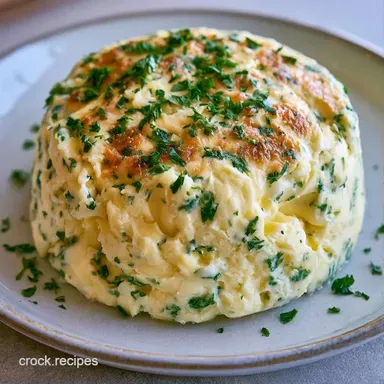
Savory Rosemary Thyme Butter
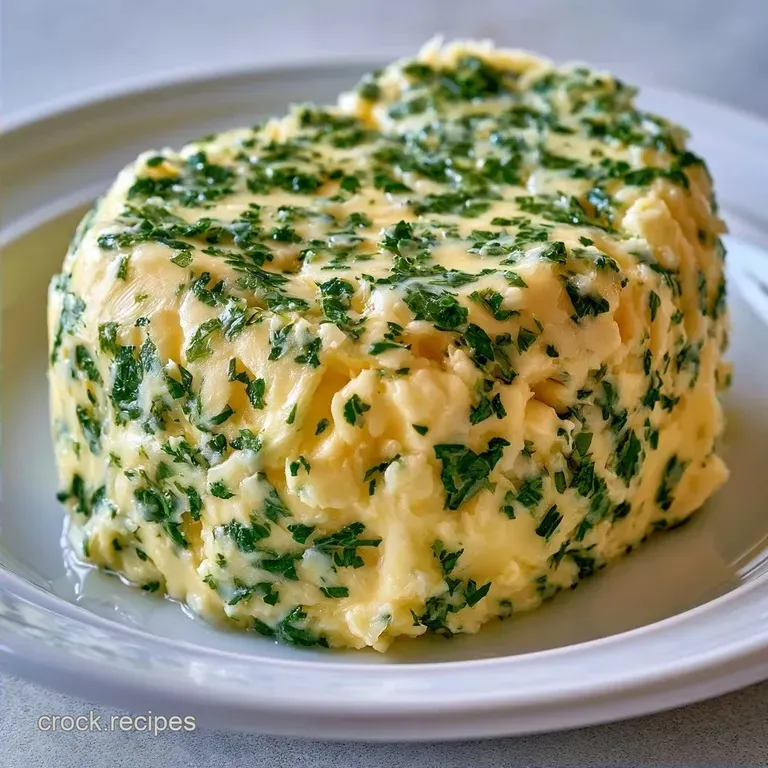
- Time: 10 min active + 30 min chilling
- Flavor/Texture Hook: Rich, herbal, and savory
- Perfect for: Steak nights, roasted chicken, or fancy garlic bread
I can't tell you how many times I've seen people just chop herbs roughly and stir them into butter. The result is always the same. You take a bite of your steak, and suddenly you hit a giant, woody piece of rosemary that feels like a pine needle.
Or worse, a raw shard of garlic that overpowers everything else on the plate. It ruins the flow of the meal.
The fix is all about the prep work. If you treat your aromatics like a paste rather than a garnish, the flavor distributes evenly. This means every single bite of your meal gets that same punch of herbs without any weird textures.
This Rosemary Thyme Butter is my go to for anything coming out of the oven or off the grill. It's hearty, satisfying, and makes a simple piece of meat feel like something you'd pay 40 bucks for at a bistro.
Easy Rosemary Thyme Butter
Getting the balance right is key here. You want the butter to be the carrier, but the rosemary and thyme need to stand their ground. Because we aren't cooking the butter first, the flavors stay bright and fresh, then bloom the second they hit a hot pan.
I usually make a double batch because it's so easy to use up. Whether it's a Tuesday night pork chop or a Sunday roast, having this in the fridge saves so much time.
What Each Ingredient Brings
The goal is to build layers of flavor. We start with the fat, add the earthiness of the herbs, and finish with the sharp bite of garlic.
The Butter Base: Unsalted butter lets you control the salt level. I prefer it because some brands are way saltier than others, and you don't want your steak to taste like a salt lick.
The Fresh Aromatics: Rosemary brings a woody, pine like quality, while thyme is more subtle and floral. When they hit the heat, they release oils that soak right into the meat.
The Seasoning: Kosher salt has larger grains that dissolve more predictably into the fat. Black pepper adds a tiny bit of heat to cut through the richness of the butter.
Ingredient Deep Dive
| Ingredient | What It Does | Best Swap |
|---|---|---|
| Unsalted Butter | Fat carrier for flavors | Salted butter (reduce added salt) |
| Fresh Rosemary | Earthy, piney notes | Dried rosemary (use 1 tsp) |
| Fresh Thyme | Subtle, floral scent | Dried thyme (use 1 tsp) |
| Garlic | Pungent, sharp bite | Garlic powder (1/2 tsp) |
But wait, should you go fresh or use shortcuts? If you're in a rush, dried herbs work, but the texture changes.
| Feature | Fresh Herbs | Dried Herbs |
|---|---|---|
| Flavor | Bright, punchy | Muted, concentrated |
| Texture | Soft, integrated | Grainy, slightly gritty |
| Prep | Requires chopping | Ready to pour |
Tools for the Job
You don't need a professional kitchen for this. A few basic tools will do the trick.
- A sharp chef's knife (crucial for the "paste" technique)
- Medium mixing bowl
- Silicone spatula
- Parchment paper or plastic wrap
- Measuring spoons
Putting it All Together
The process is fast, but don't rush the chopping. That's where the real work happens.
- Mince the fresh rosemary and thyme. Note: Chop until they are almost a powder to avoid woody chunks.
- Mince the garlic cloves. Note: Use the side of your knife to smash them into a paste.
- Put the softened butter in a bowl.
- Fold in the rosemary, thyme, and garlic paste using a spatula.
- Add the kosher salt and black pepper.
- Mix until the herbs are evenly distributed and there are no butter streaks.
- Spoon the mixture onto a piece of parchment paper.
- Roll the butter into a tight cylinder and twist the ends.
- Chill in the fridge for 30 minutes until the log feels firm to the touch.
Chef's Note: If your butter is too cold to fold, don't microwave it. Just let it sit on the counter for 20 minutes. Microwaved butter often separates, which makes the herbs clump.
Fixing Texture and Taste
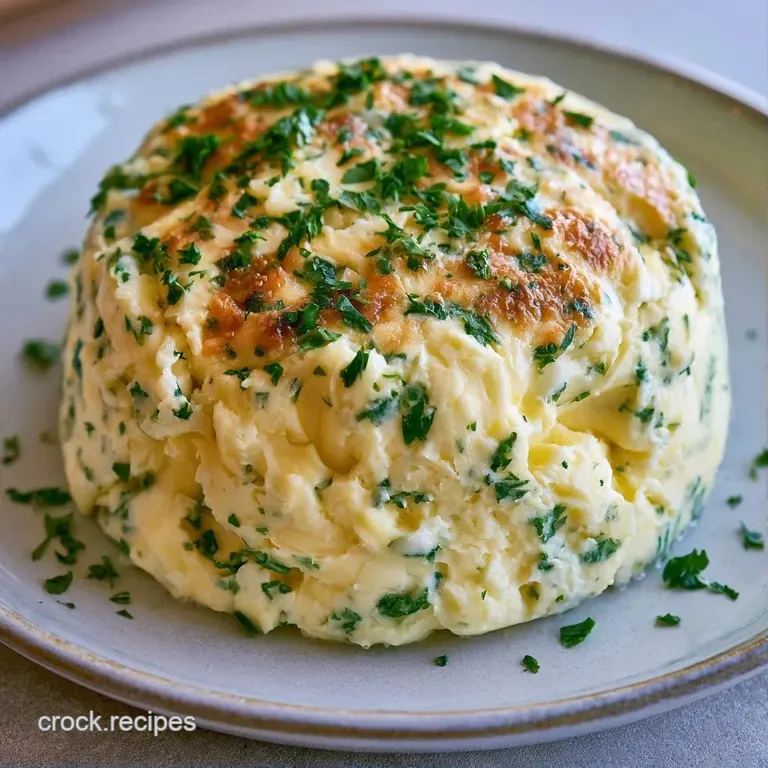
Even with a simple recipe, things can go sideways. Usually, it's a temperature issue or a chopping problem.
Troubleshooting Common Issues
| Issue | Solution |
|---|---|
| Butter too soft to roll | If the butter is too warm, it won't hold the cylinder shape. This usually happens if the kitchen is hot or the butter sat out too long. |
| Why are the herbs clumping together | Clumping happens when the butter isn't soft enough or you didn't fold the ingredients thoroughly. Use a spatula to press the herbs into the butter rather than just stirring them. |
| Use dried herbs instead | Yes, but the flavor is different. Dried herbs are more concentrated and can feel "sandy" if not hydrated. |
Ways to Switch it Up
Once you've got the base down, you can play with the flavors. This is basically a canvas for whatever you have in the garden.
If you want something with more punch, try adding a teaspoon of lemon zest. The acidity cuts through the fat and brightens the whole dish. For a bolder profile, a pinch of smoked paprika works wonders.
If you love garlic, you can check out my Homemade Garlic Herb Butter for a version that leans harder into those savory notes.
Decision Shortcut:
- Want it brighter? Add lemon zest.
- Want it smokier? Add smoked paprika.
- Want it faster? Skip the rolling and store it in a container.
Storage Guidelines
This butter keeps surprisingly well. Since the salt and fat act as preservatives, you have a few options.
Fridge: Store the rolled log in the fridge for up to 2 weeks. Just make sure it's wrapped tightly so it doesn't pick up smells from other foods.
Freezer: You can freeze this for up to 3 months. I like to slice the log into individual coins first, then freeze them on a tray before moving them to a bag. This way, you can just grab one coin for a single steak.
Zero Waste: Don't throw away the woody stems of the rosemary or thyme. Toss them into a freezer bag with other veggie scraps. When the bag is full, boil them all together to make a quick veg stock.
Best Pairing Ideas
This is where the Rosemary Thyme Butter really shines. It's not just for steak, although that's the obvious choice.
For a classic dinner, top a hot ribeye or a Classic Steak Au Poivre with a slice of this butter. The way it melts into the seared crust is pure comfort.
It's also a win for roasted chicken. Stuff a few slices under the skin of the breast before roasting. The butter bastes the meat from the inside, keeping it juicy while the herbs scent the whole kitchen.
You can even use it for vegetables. Toss some carrots or asparagus in a pan and finish them with a knob of this butter right before serving. It adds a richness that plain butter just can't match.
Why This Method Works
You might wonder why we bother with the rolling and chilling. It's not just for looks.
Fat as a Carrier: According to the experts at Serious Eats, fat carries flavor molecules across your palate more effectively than water. By suspending the herbs in butter, the flavor lingers longer.
Texture Control: Mincing the aromatics into a paste prevents the "pine needle" effect. It ensures the essential oils are released into the butter rather than staying trapped in the fiber of the leaf.
Butter Truths
There is a common belief that you must use European style butter for compound butters. While the higher fat content makes it creamier, any unsalted butter works. The flavor comes from the herbs, not the brand of butter.
Another myth is that you need to cook the garlic first to remove the "bite." For a compound butter, the raw garlic provides a sharp contrast to the rich butter that disappears once it melts on the hot meat.
Recipe FAQs
How to make this herbed butter for steak?
Fold minced rosemary, thyme, and garlic paste into softened unsalted butter. Season with salt and pepper, roll the mixture into a tight log, and chill for 30 minutes before slicing onto hot meat.
Do steakhouses typically use butter on steak?
Yes, they frequently use it for basting. This process adds richness and helps infuse the meat with aromatics like garlic and herbs during the final stages of cooking.
How to store leftover herb butter?
Wrap the log tightly and keep it in the fridge for two weeks. For longer storage, freeze individual slices for up to three months.
Why is my butter too soft to roll into a cylinder?
The butter is likely too warm from the kitchen temperature. Chill the mixture in the refrigerator briefly until it firms up enough to hold its shape.
How to prevent herbs from clumping in the butter?
Use a spatula to press the herbs into the butter rather than just stirring. Ensure your butter is sufficiently softened to allow for a thorough, even distribution.
Is it true that dried herbs work exactly the same as fresh in this recipe?
No, this is a common misconception. Dried herbs are more concentrated and can create a "sandy" texture if they aren't properly hydrated.
How to make a quick spread for garlic bread?
Combine softened butter with minced garlic, rosemary, and thyme. Mix until smooth and spread directly onto bread before toasting. If you enjoyed mastering the herb infusing technique here, see how the same principle works in our herbed roasted chicken.
Rosemary Thyme Butter