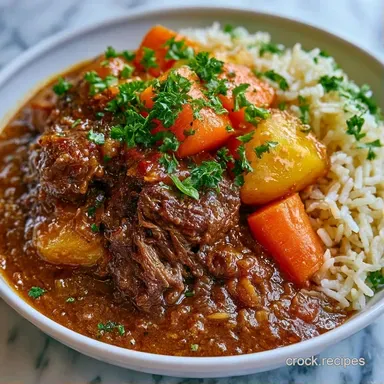
Slow Cooker Japanese Curry with Chicken Thighs
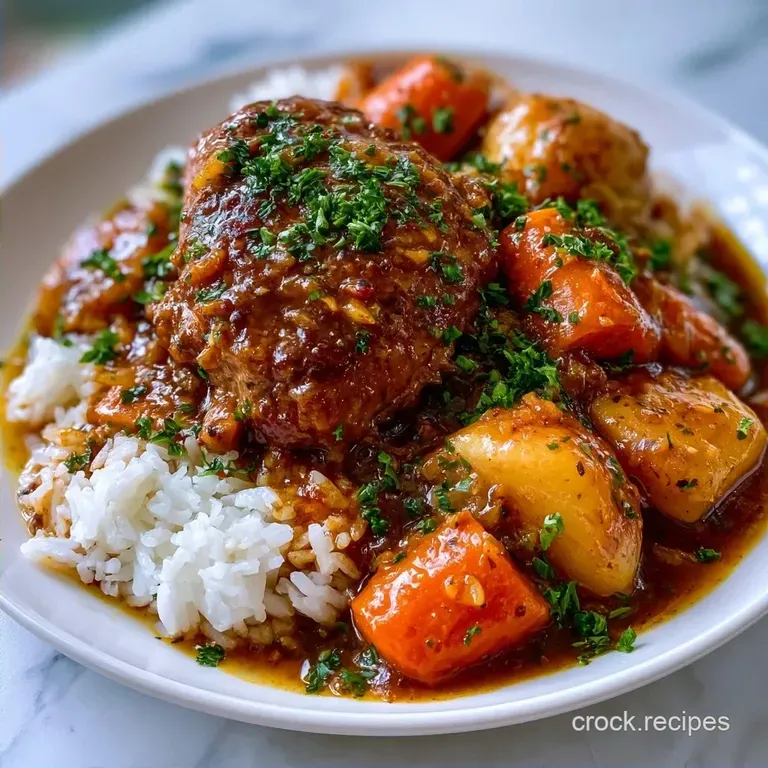
- Time: 15 min active + 8 hrs cooking
- Flavor/Texture Hook: Rich, mahogany gravy with fork tender chunks
- Perfect for: Lazy Sundays or cold weather meal prep
The scent of simmering soy and ginger greets you the moment you arrive home. I once tried this on a stovetop, but it was a chore, too much stirring and constant worry about scorching the pan. I even ended up with potatoes that had completely disintegrated into the gravy.
Using a Crockpot is a total game-changer. You just set everything up, go about your business, and come back to a deeply comforting bowl of stew.
The appeal here is the simplicity. No complex techniques are needed; just a few basic pantry items and a bit of patience create a savory, deep flavor. There is nothing better than having dinner ready to serve by 6 PM.
Why You'll Love Slow Cooker Japanese Curry
Gentle Heat Tenderization: The slow-cooking process converts collagen in beef chuck or chicken thighs into gelatin. This results in fork-tender meat and adds a natural richness to the sauce's consistency.
Timing the Thickener: Stirring in the roux during the final stages prevents the starch from burning or breaking down. This ensures a glossy, velvety texture rather than a grainy one.
Vegetable Proportions: Cutting potatoes into larger chunks than the carrots ensures they soften at the same rate. This prevents the carrots from overcooking into mush before the potatoes are fully tender.
Quick Recipe Specs
Here are the practical details. This is largely a hands-off process, although you will need to be available during the final 30 minutes to stir in the thickener.
| Detail | Requirement |
|---|---|
| Prep Time | 15 minutes |
| Cook Time | 8 hours (Low) or 4 hours (High) |
| Total Time | 8 hours 15 minutes |
| Servings | 6 portions |
| Main Protein | Chicken Thighs or Beef Chuck |
What Each Ingredient Does
I've found that using a few specific brands of roux, like S&B Golden Curry, really helps hit those traditional notes. But the base ingredients are where the real flavor lives.
| Ingredient | What It Does | Best Swap |
|---|---|---|
| Chicken Thighs | Provides richness and stays moist | Beef Chuck (for a heavier flavor) |
| Japanese Curry Roux | Thickens and adds primary spice | Homemade roux with curry powder |
| Yukon Gold Potatoes | Adds creaminess and bulk | Russets (though they break down more) |
| Ketchup | Adds a subtle vinegary sweetness | Tomato paste + a pinch of sugar |
Essential Tools for Success
You only need a few basic items rather than a professional kitchen. For this quantity of food, a 6-quart slow cooker is ideal.
- Slow Cooker: 6 quart capacity is best.
- Chef's Knife: For cutting the vegetables into chunks.
- Small Bowl: For whisking the roux paste.
- Whisk: To ensure the curry cubes are lump-free.
- Ladle: To transfer hot liquid for the roux.
Bringing It Together
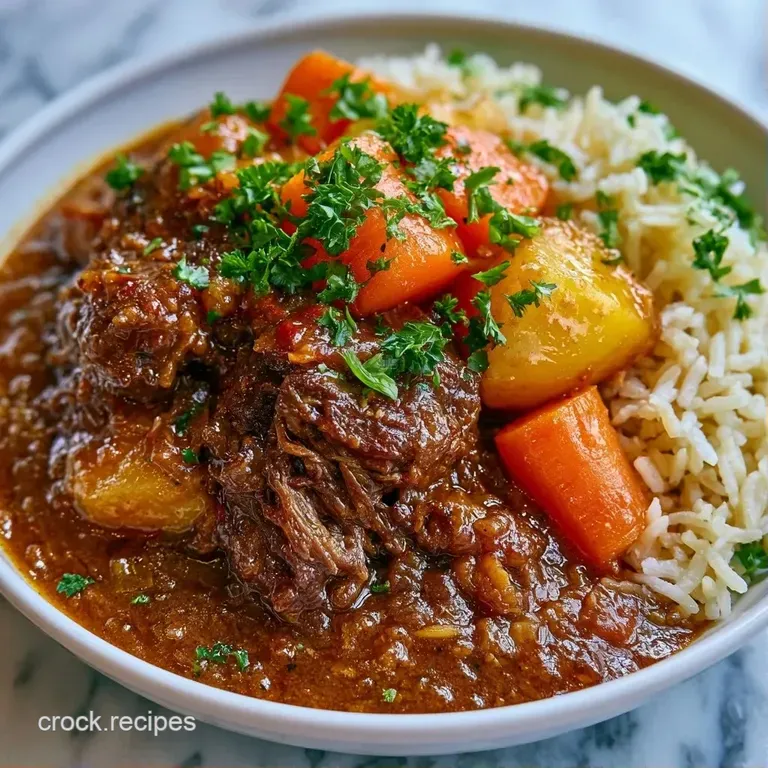
Now, we can begin the preparation. The key is to keep the pieces consistent so they cook at the same rate.
- Dice the protein and vegetables into large pieces. Note: Cut potatoes to 1.5 inches and carrots to 1 inch to keep them from falling apart.
- Transfer the meat, onions, carrots, potatoes, garlic, and ginger into the slow cooker.
- Combine the broth, soy sauce, ketchup, and sugar in a jug, whisking well.
- Pour the liquid over the mix until everything is mostly submerged.
- Secure the lid and cook for 8 hours on the Low setting (or 4 hours on High) until the meat is fork tender.
- About 30 minutes before serving, scoop a cup of the hot liquid into a small bowl.
- Whisk the curry roux cubes into this liquid until a smooth paste forms.
- Stir the butter and roux paste into the slow cooker.
- Put the lid back on and cook for the final 30 minutes until the sauce has a glossy sheen.
Avoiding Kitchen Disasters
Slow cooker meals are generally straightforward, but consistency issues can still arise if you aren't careful.
Thin consistency
This occurs when the roux isn't fully smoothed out or the vegetables release excess moisture. No need to stress. Simply mix another half cube of roux with a little liquid, stir it into the pot, and simmer on High for an additional 20 minutes.
Mushy potatoes
If your potatoes are breaking down, they were likely sliced too small or overcooked. To ensure a firmer texture, use Yukon Golds and keep the pieces chunky. If they've already softened, just stir them in, they'll actually help thicken and enrich the sauce.
Lumpy roux
Dropping dry cubes straight into the slow cooker often leads to clumps. Always prepare a separate paste first. If you spot lumps, a whisk can help break them up, though this is more difficult once the liquid has thickened.
Dietary Adaptations
You can tweak this recipe depending on what's in your fridge or your dietary needs. If you're looking for other creamy comfort meals, you might like my Creamy Chicken Spinach Sauce, which uses a different thickening method.
For a Vegetarian Version: Swap the meat for extra cauliflower, eggplant, and chickpeas. Use vegetable broth instead of beef or chicken broth. The roux is usually vegetarian, but double check the label for animal fats.
For a Beef Variation: Use beef chuck instead of chicken. Beef takes a bit longer to soften, so I highly recommend the 8 hour Low setting over the High setting to avoid toughening the fibers.
For More Heat: The standard roux is mild. Stir in a teaspoon of sriracha or a pinch of cayenne pepper during the final 30 minutes to give it a kick.
For a gluten-free Option: Most Japanese roux cubes contain wheat flour. You'll need to find a certified gluten-free curry roux or make your own using a blend of cornstarch and curry powder.
Freezing and Reheating Guide
The flavors of this Slow Cooker Japanese Curry deepen and intensify after sitting overnight.
Cooler Storage: Store the curry in an airtight glass jar in the refrigerator for a maximum of 4 days. It is normal for the sauce to become much thicker as it chills.
Freezing Tips: This dish keeps well in the freezer for up to 3 months. Use freezer-safe bags, removing as much air as possible before sealing. To avoid mushy rice, I recommend freezing the curry on its own.
Reheating Process: For the best results, warm it in a pan over medium-low heat. Stir in a bit of water or broth to restore the original smooth, glossy texture. When using a microwave, stir every 2 minutes to heat the center evenly.
Zero Waste Hack: Save your onion and carrot scraps instead of throwing them away. Boil them in water for one hour to create a simple vegetable stock for future soups.
Perfect Complements
Serving this dish is all about contrast. Since the curry is rich and heavy, you need something bright and acidic to cut through the fat.
The Base: Short grain Japanese rice is the traditional choice because it's sticky enough to hold onto the thick sauce. If you can't find it, jasmine rice works well too.
The Sides: I always serve this with fukujinzuke (red pickled vegetables) or a simple side of kimchi. The vinegar pop is essential. A crisp cabbage slaw with a sesame dressing also pairs well.
Sauce Alternatives: If you love these kinds of rich, savory glazes, you should try my Homemade Gravy for your next roast dinner. It hits those same deep, umami notes.
- Meat Texture
- Should pull apart with zero resistance at 8 hours.
- Sauce Thickness
- Should coat the back of a spoon without running off instantly.
- Vegetable Size
- Potatoes should be roughly 1.5 inches to survive the simmer.
- For a thicker sauce
- Add an extra 1/4 block of roux during the finish.
- For a leaner meal
- Use skinless chicken breasts, but reduce cook time by 2 hours to avoid dryness.
- For a deeper flavor
- Sauté the onions in the butter before adding them to the Crockpot.
Recipe FAQs
How long to cook Japanese curry in a slow cooker?
Set the slow cooker to Low for 8 hours or High for 4 hours.
Tip: Choosing the Low setting generally results in more fork-tender meat.
Which beef cut works best for this recipe?
Beef chuck is the ideal choice due to its high collagen content.
Tip: Cut the meat into uniform 1-inch chunks to ensure even cooking.
Is it true that you should add the curry roux at the beginning?
Actually, no. Adding the roux 30 minutes before serving prevents the sauce from becoming grainy or scorching.
Tip: Whisk the cubes with a ladle of hot liquid first to create a smooth paste.
Why do carrots often overcook before the potatoes?
This happens when root vegetables are cut to the same size.
Tip: Cut potatoes into larger 1.5-inch chunks to ensure they finish at the same time as the carrots.
Is Japanese curry generally considered healthy?
It is a balanced meal featuring lean protein and nutrient-dense root vegetables.
Tip: Use low-sodium broth to manage the overall salt content of the dish.
Is it a misconception that slow cooking makes meat dry?
No, this is a common misconception. Low, steady heat transforms tough connective tissue into gelatin, which keeps the meat moist.
Tip: Avoid using lean cuts like sirloin, as they lack the fat needed for this process.
How to achieve a glossy finish on the sauce?
Stir the roux paste and butter into the pot during the final 30 minutes of cooking.
Tip: Ensure the butter is fully incorporated to create that signature mahogany sheen.
Could I use chicken instead of beef?
Use boneless chicken thighs for a lighter version of this curry.
Tip: If you enjoyed the tender results of slow-cooked poultry here, see how the same principle works in our cream cheese chicken.
Slow Cooker Japanese Curry for 6 Servings