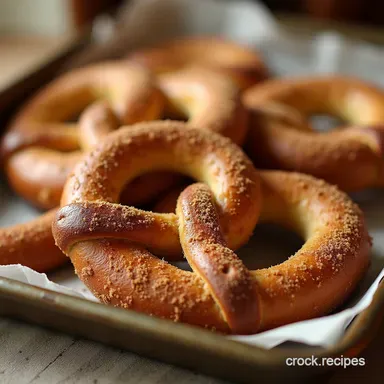
The Ultimate Soft Chewy Cinnamon Sugar Pretzels a Homemade Treat That Beats the Bakery
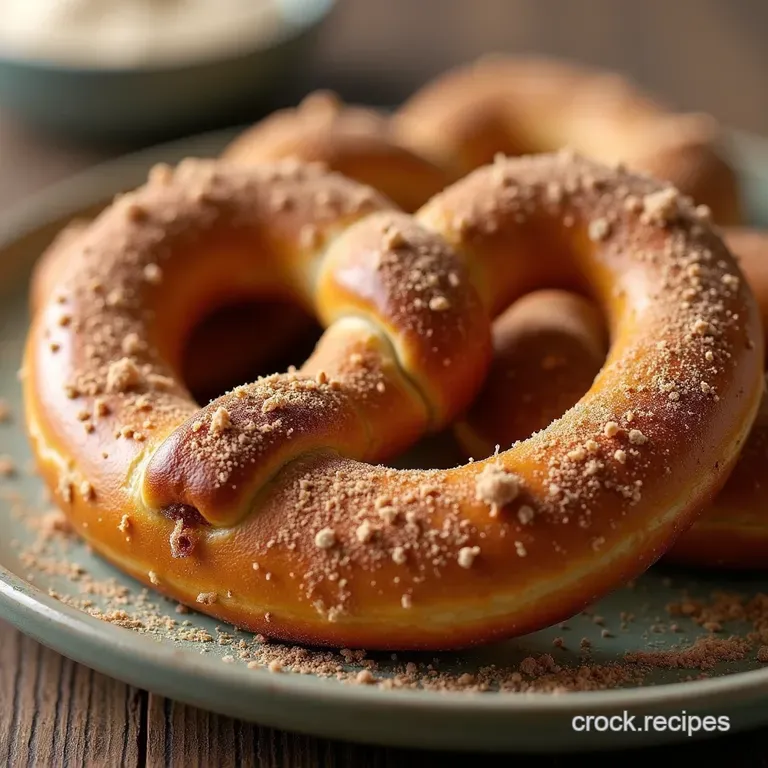
- Unlocking the Secret to Fairground-Worthy Soft Pretzels at Home
- Why These Cinnamon Sugar Pretzels Redefine Comfort Baking
- Essential Components for Superior Dough Structure
- Crafting the Irresistible Cinnamon Sugar Coating
- Step-by-Step Guide to Shaping and Setting Your Pretzels
- Troubleshooting Common Baking Hurdles
- Creative Twists on the Classic Sweet Snack
- Recipe FAQs
- 📝 Recipe Card
Unlocking the Secret to Fairground-Worthy Soft Pretzels at Home
There is a certain magic to the smell of freshly baked soft pretzels, that deep, wheaty aroma mingling with sweet spice that instantly transports you to boardwalks and bustling fairgrounds. While the classic salted variety holds a special place in our hearts, sometimes only a sweet treat will do.
Today, we are diving deep into perfecting Cinnamon Sugar Pretzels , transforming simple pantry staples into an extraordinary, chewy indulgence. This Cinnamon Sugar Pretzels Recipe is designed not just to follow instructions, but to understand the science behind achieving that coveted texture and flavor profile.
Forget those dry, pre-packaged knock-offs; we are aiming for authentic, soft, and beautifully twisted pretzels, blanketed in a fragrant, buttery crust.
Why These Cinnamon Sugar Pretzels Redefine Comfort Baking
Making pretzels from scratch, especially these sweet versions, is often categorized as a "Medium" difficulty bake. This isn't due to overly complex ingredients, but rather the dual process required: mastering the dough’s rise and handling, and correctly executing the crucial boiling step.
This recipe, yielding about 8 to 10 medium-sized twists, requires about 30 minutes of active preparation, though you must account for about 1.5 to 2 hours of rising time, bringing the total creation window close to three hours.
It’s comfort food in a twist, perfect for movie nights or when a truly satisfying sweet craving strikes.
The Perfect Chew: Balancing Interior Softness and Exterior Crisp
The hallmark of a fantastic pretzel, whether savory or sweet, lies in its texture contrast. We want an interior that is pillowy soft and wonderfully yielding, contrasting sharply with an exterior that offers a satisfying, slight snap.
This balance is achieved through three key elements we will explore: proper yeast activation, sufficient gluten development during kneading, and the swift, high-alkaline bath that sets the crust before the oven even gets involved.
A Nostalgic Journey: Capturing the Aroma of Sweet Spiced Dough
What elevates these treats beyond a standard sweet bread is that intoxicating aroma. Our Sweet Pretzel Recipe focuses heavily on the topping, but the base dough must be robust enough to carry it.
By incorporating a modest amount of sugar directly into the dough, 2 tablespoons, we ensure the yeast thrives, leading to a tender crumb structure that readily absorbs the subsequent buttery glaze.
This foundation ensures that even the center of your Cinnamon Pretzels sings with flavor.
Beyond the Standard Salt: Embracing Sweetness in Pretzel Crafting
While traditionalists might balk, embracing sweetness allows the inherent, slightly malty flavour of the boiled dough to truly shine. Instead of relying on coarse salt, our Cinnamon Sugar Pretzels Sticks or full twists are finished with a generous dusting of cinnamon and sugar adhered by melted butter.
This shift transforms the pretzel from a snack or accompaniment into the main event, a truly decadent and easy homemade treat perfect for any occasion.
Essential Components for Superior Dough Structure
To begin crafting these delectable Homemade Cinnamon Sugar Pretzels , we must first attend to our dough. The core ingredients are simple: 2 ¼ teaspoons of active dry yeast, 1 ¼ cups of warm water (ideally between 105° F and 115° F), 2 tablespoons of granulated sugar, 3 ½ cups of all-purpose flour, 1 ½ teaspoons of kosher salt, and 4 tablespoons of melted, slightly cooled unsalted butter.
The success hinges on step one: activating the yeast. You must combine the yeast with the warm water and one tablespoon of the sugar. Wait 5 to 10 minutes. If the mixture becomes foamy and active, your yeast is alive and ready to lift your dough beautifully.
If it remains flat, discard and start that step over, happy yeast makes happy pretzels.
Related Recipes Worth Trying
- The Proper Bake Truly Old Fashioned Cinnamon Apple Crisp — Forget fussy bakes This Old Fashioned Apple Crisp recipe delivers the best apple crisp recipe with a perfectly buttery crunchy topping Easy to make and...
- Sticky Strawberry Cinnamon Rolls with Vanilla Glaze — Forget boring breakfasts Try this foolproof Strawberry Cinnamon Rolls Recipe for pillowy soft rolls bursting with homemade strawberry jam and cinnamon spice...
- The Best Light Fluffy Lemon Sugar Scones Recipe — Forget dry café fare These easy Lemon Sugar Scones are wonderfully tender with a bright zest and sparkling sugar topping Get the foolproof blueprint here
Crafting the Irresistible Cinnamon Sugar Coating
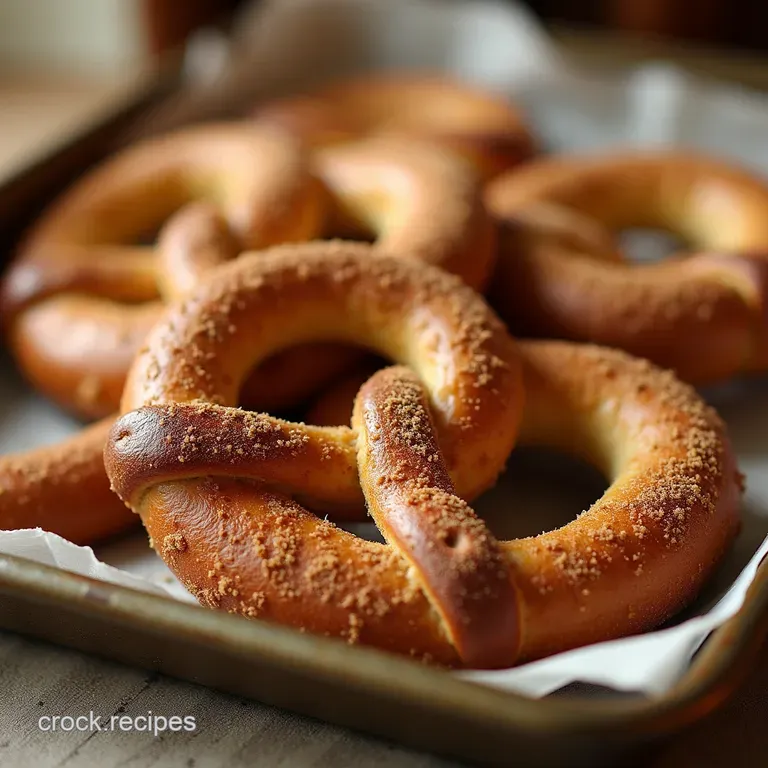
The finishing touch is what truly defines these Cinnamon Sugar Pretzels Bites or larger shapes. While the dough bakes, prepare for the flavorful embrace. You will need ½ cup (113g) of melted unsalted butter for coating, and for the dry mix, ¾ cup of granulated sugar combined with 2 tablespoons of ground cinnamon.
The Wet and Dry Mix: What You Need for the Dough
As detailed above, the dough relies on basic pantry staples, but the ratios are calibrated for chewiness. The 4 tablespoons of melted butter not only add richness but also contribute to a softer final texture.
After the yeast is active, you whisk together the dry components, flour, salt, and the remaining sugar, before incorporating the wet ingredients. A stand mixer with a dough hook is ideal here, but careful hand kneading for about 7 minutes works just as well, ensuring the dough achieves that smooth, elastic consistency necessary for good shaping later.
The Crucial Lye Alternative: Achieving That Signature Pretzel Hue
For those familiar with authentic German pretzels, the dark, glossy crust comes from a lye bath. However, lye is hazardous and not suitable for standard home kitchens. Our crucial substitute, essential for both texture and colour, is a powerful baking soda solution.
For the boiling bath, you will need 8 cups of water combined with a generous ½ cup (100g) of baking soda. This alkaline solution rapidly gelatinizes the starches on the dough’s surface during the brief boil, setting the exterior and guaranteeing that signature deep golden-brown hue upon baking.
Measuring Matters: Tools for Precision in Your Pretzel Kitchen
When dealing with yeast and precise chemical reactions like the baking soda bath, precision matters. While eyeball measuring works for some recipes, here we recommend using standard measuring cups and spoons for the dough ingredients.
For the boiling bath, ensure your pot is large enough to comfortably accommodate one or two pretzels at a time without overcrowding or losing the rolling boil. A digital scale is always a bonus for weighing flour accurately, promoting consistency across batches of your Cinnamon Pretzels .
Step-by-step Guide to Shaping and Setting Your Pretzels
Once the dough has doubled in size, which usually takes around an hour to an hour and a half in a warm spot, it’s time for shaping. Gently deflate the dough and divide it into 8 to 10 equal portions. This is where the fun begins.
Mastering the Yeast Activation and Dough Kneading Process
We already touched on activating the yeast; remember, that bubbly head confirms viability. Following activation, you knead the dough for about 7 minutes until it transitions from shaggy to smooth and springs back slightly when poked.
This builds the gluten network needed to hold the shape without tearing when boiled. Once kneaded, cover it and let it rest until truly doubled.
The Art of the Twist: Rolling and Shaping Perfect Pretzel Forms
Take one portion of dough and roll it out into a long rope, aiming for about 24 inches in length. This length is necessary to achieve the characteristic loop of a standard pretzel. To form the twist: create a U-shape with the rope.
Cross the two ends over each other twice, then bring the top end down and press it firmly onto the bottom curve of the U. The key to great Cinnamon Sugar Pretzels Sticks or twists is ensuring the ends adhere well to the base so they don't unravel during the bath.
The Quick Bath: Why Baking Soda Solution Makes All the Difference
This step cannot be rushed. Preheat your oven to 425° F ( 220° C) and line your baking sheets with parchment paper. Bring your water and baking soda mixture to a rolling boil. Carefully lower only one or two shaped pretzels into the bath at a time.
They must boil for exactly 30 seconds per side. Any longer, and the texture suffers; any shorter, and you won't get the characteristic color. Remove them immediately using a slotted spoon, allowing excess water to drip off before placing them on the prepared sheets.
Finishing Your Cinnamon Sugar Pretzels for Maximum Flavor Adhesion
While the pretzels are baking for 12 to 15 minutes until they achieve a deep golden-brown color, whisk your cinnamon and sugar together in a shallow dish. Have your ½ cup of butter fully melted nearby.
The coating must happen immediately upon exiting the oven while the pretzels are still piping hot. Brush them liberally with the melted butter, then quickly dredge or roll them entirely in the cinnamon sugar mixture. The heat ensures the butter adheres perfectly, locking in that sweet spice.
Troubleshooting Common Baking Hurdles
If your Cinnamon Sugar Pretzels don't turn out quite right, don't fret; most issues are easily resolved. If your dough doesn't rise, the water was likely too hot for the yeast, or the yeast was old.
If the pretzels look pale and grey after boiling, you likely under-boiled them, or you used too little baking soda in the bath. If the pretzels taste overly yeasty, you may have needed to knead slightly longer to fully develop the gluten structure.
Creative Twists on the Classic Sweet Snack
Once you’ve mastered the basic technique for these Cinnamon Sugar Pretzels Sticks , the world of sweet pretzels opens up!
Storing Leftovers: Keeping Your Pretzels Fresh and Pliable
These are best eaten the day they are made, ideally within an hour of cooling slightly after coating. If you have leftovers, store them in an airtight container at room temperature for up to two days.
To revive them, lightly mist with water and warm them in a 300° F oven for about 5 minutes, this re-steams the interior, restoring some of that initial soft chewiness.
Scaling Up: Batch Cooking Tips for Large Gatherings
When making a large batch, timing is everything. Prepare the dough in advance and let it cold-proof in the refrigerator for up to 24 hours after the initial rise; this actually deepens the flavor. When ready to cook, bring the dough to room temperature first.
However, do not try to boil more than two pretzels at once, as this drops the water temperature too significantly, negatively impacting the crust formation.
Elevating the Spice Mix: Incorporating Notes of Nutmeg or Cardamom
To take your topping to the next level, move beyond just cinnamon. Try adding ¼ teaspoon of freshly grated nutmeg or a pinch of finely ground cardamom to your sugar mixture.
These warm spices blend beautifully with the butter coating, adding complexity to the Cinnamon Pretzels flavor profile without overpowering the classic taste.
Pairing Suggestions: What Goes Best with Warm Cinnamon Bites?
These sweet bites deserve an equally comforting partner. While a strong coffee is always excellent, consider serving them alongside a bowl of lightly sweetened, slightly tangy vanilla cream cheese dip.
The tanginess cuts through the richness of the butter and sugar coating beautifully, creating a perfectly balanced bite every time.
Recipe FAQs
I’m worried about the boiling step, do I really need baking soda for these Cinnamon Sugar Pretzels?
Absolutely, mate! That baking soda bath is the secret sauce to authentic pretzel texture and colour. It raises the pH of the water, which caramelises the dough beautifully during baking, giving you that signature chewy interior and slightly crisp, rich brown exterior.
Don't skip it, or you’ll end up with a fancy breadstick!
My dough isn’t rising properly; what gives?
Usually, this is down to grumpy yeast or a chilly kitchen, which we often get over here in the UK! Check the temperature of your water used to activate the yeast; if it was over 120°F, you might have accidentally killed it.
Try placing the dough in a slightly warmer spot, perhaps near a radiator (but not touching!), to encourage it along.
Can I make these Cinnamon Sugar Pretzels ahead of time? How should I store leftovers?
They are definitely best eaten fresh, piping hot from the oven, honestly! If you must store them, keep them in an airtight container at room temperature for up to two days; though the crispness won't last forever.
To refresh them, give them a quick 5-minute blast in a low oven (around 300°F) to bring back some of that soft chew.
What’s the best way to ensure the cinnamon sugar sticks well after baking?
Timing is everything here! You must coat the pretzels immediately after they come out of the oven while they are still scorching hot. Brush them generously with melted butter first, the heat and moisture will act as the glue for that glorious cinnamon sugar mixture. Work quickly before they cool down!
Can I switch up the topping? I fancy something a bit different to the classic cinnamon.
Absolutely, you can experiment to your heart's content! Instead of cinnamon sugar, try brushing the hot pretzels with melted butter and sprinkling them with coarse flaky sea salt for a sophisticated savoury-sweet bite.
Alternatively, a drizzle of chocolate ganache once they’ve cooled slightly makes them taste like a proper indulgence!
The Ultimate Soft Chewy Cinnamon Sugar Pretzels Recipe