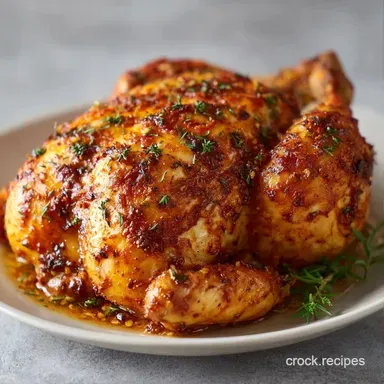
Garlic Powder Chicken Seasoning: Smoky and Savory
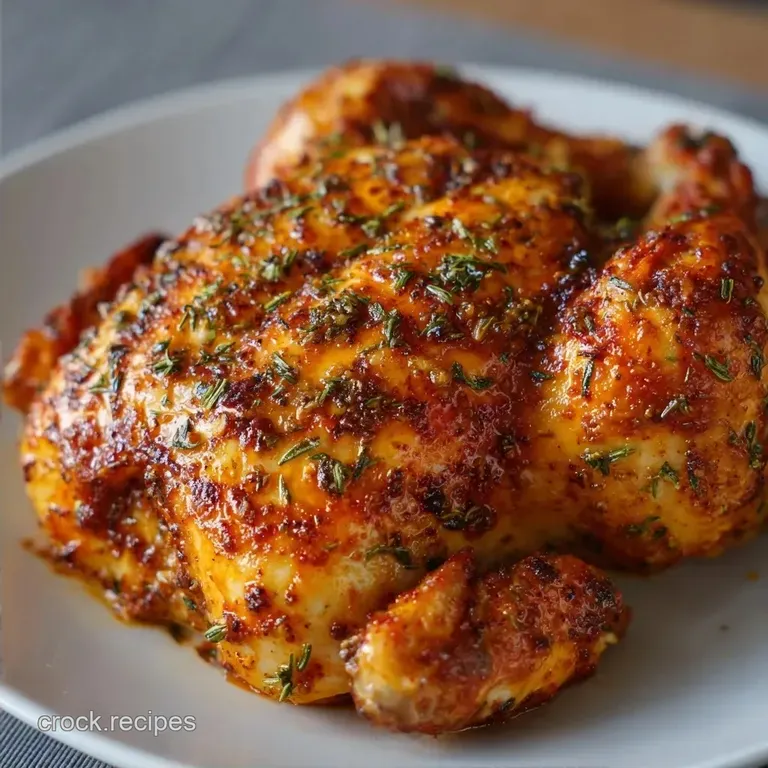
- Time: 5 min active + 20 min cook
- Flavor/Texture Hook: Smoky, savory, and creates a shatter crisp skin
- Perfect for: Weeknight dinners, meal prep, and outdoor grilling
That first hiss of garlic and paprika hitting a hot cast iron pan is where the magic starts. I remember the first time I tried making my own rubs. I was tired of those plastic bottles from the supermarket that tasted like nothing but salt and anti caking agents.
I wanted something that smelled like a backyard barbecue in July, something that actually stained the meat a rich, terracotta red.
The secret is in the balance. Most people just throw salt and pepper on their bird, but that's a missed opportunity. By blending these specific aromatics, you get a coating that doesn't just sit on top of the meat, but actually integrates into the skin.
This Chicken Seasoning creates a savory barrier that keeps the meat juicy while the outside gets that deep, hearty crust we all crave.
Trust me, once you move away from the store-bought stuff, there is no going back. It takes about five minutes to whisk together, and the smell alone is enough to make your neighbors knock on your door.
We are aiming for a flavor that is satisfying and bold, turning a basic breast or thigh into something that feels like a proper meal.
Making the Best Homemade Chicken Seasoning
Right then, let's talk about why this specific blend actually works. It is not just about throwing spices in a bowl. There is a reason we use these specific proportions to ensure the flavor doesn't get muddy or overwhelming.
Salt Penetration: The kosher salt draws moisture to the surface, which helps the other spices stick and creates a brine like effect that keeps the meat tender.
Smoky Depth: The smoked paprika provides a charred, outdoor flavor even if you are just using a stovetop pan.
Aromatic Base: Garlic and onion powders provide a savory "umami" foundation that makes the meat taste meatier.
Heat Balance: A tiny bit of cayenne doesn't make it "spicy" in a scary way, but it wakes up the other flavors.
| Method | Time | Texture | Best For |
|---|---|---|---|
| Stovetop | 20 mins | Velvety & Charred | Thighs, breasts |
| Oven Bake | 35 mins | Evenly Golden | Whole bird, drumsticks |
| Grilling | 15 mins | Shatter Crisp | Wings, skewers |
The way these ingredients interact is pretty cool. For instance, the fats in the chicken act as a solvent for the spices. According to Serious Eats, dry rubs work best when they have a mix of sugars (though we're skipping them here to avoid burning) and salts to manipulate the surface moisture of the protein.
Component Analysis
| Ingredient | Science Role | Pro Secret |
|---|---|---|
| Garlic Powder | Savory Base | Use granulated for a slower burn |
| Smoked Paprika | Color/Aroma | Provides "fake" grill flavor |
| Kosher Salt | Moisture Draw | Larger grains prevent over salting |
| Cayenne | Flavor Catalyst | Just a pinch boosts the thyme |
Shopping List Breakdown
When you are grabbing your gear, don't settle for the cheapest generic powders. The quality of the paprika, especially, makes a huge difference in that final color.
- 3 tbsp garlic powder Why this? Gives that classic, hearty savory punch (Sub: Garlic granules)
- 1 tbsp onion powder Why this? Adds a subtle sweetness and depth (Sub: Shallot powder)
- 1 tbsp smoked paprika Why this? Essential for that deep red color and smoky scent (Sub: Sweet paprika, but you lose the smoke)
- 1 tsp dried thyme Why this? Adds an earthy, herbal note (Sub: Dried oregano)
- 1 tbsp kosher salt Why this? Controls sodium better than table salt (Sub: Sea salt)
- 1 tsp black pepper Why this? Provides a sharp, woody contrast (Sub: White pepper)
- 1/2 tsp cayenne pepper Why this? Subtle heat to balance the savory notes (Sub: Red pepper flakes, crushed)
Essential Kitchen Gear
You don't need a fancy lab to pull this off. A few basic tools will do the trick. I usually just use a small stainless steel bowl and a fork, but a whisk is better if you have one.
First, grab a small mixing bowl. Glass or stainless steel is best because spices can sometimes stain plastic. You will also need a measuring spoon set. Don't eyeball the cayenne, or you might end up with a dish that is too hot for the kids.
Finally, find an airtight glass jar. Mason jars are great for this. Keeping the Powder Chicken Seasoning in glass prevents the oils in the spices from leaching into the container and keeps the aroma locked in for months.
Mixing the Blend Together
Let's crack on with the actual process. I've found that the order doesn't matter much, but mixing the salts and powders first helps prevent clumps.
- Combine the garlic powder, onion powder, smoked paprika, dried thyme, kosher salt, black pepper, and cayenne pepper in a small mixing bowl.
- Use a whisk or fork to blend the ingredients thoroughly. Note: Focus on breaking up the garlic powder clumps.
- Mix until the powder is a uniform, terracotta orange color.
- Transfer the blend to an airtight glass jar.
- Pat your chicken completely dry with paper towels. Note: Wet skin won't get crispy.
- Sprinkle the Chicken Seasoning generously over all sides of the meat.
- Press the spices into the skin using your palms.
- Heat 2 tbsp of oil in a pan over medium high heat.
- Sear the chicken for 10 mins per side until the crust is dark red and the meat is 165°F.
Chef's Note: For a more velvety finish, let the seasoned chicken sit in the fridge for 30 mins before cooking. This lets the salt penetrate deeper.
Solving Common Seasoning Issues
Even with a simple mix, things can go sideways. Most of the time, it's a heat issue rather than a spice issue. If you see the spices turning black instead of deep red, your pan is too hot.
The Seasoning is Burning
If the rub turns black quickly, the oil has hit its smoke point. This often happens with cheap vegetable oils. Switch to avocado oil or grapeseed oil, which can handle higher heat.
The Flavor is Too Intense
Sometimes the garlic powder can be overpowering if it's a very potent brand. If the taste is too sharp, balance it out with a squeeze of fresh lemon juice right before serving.
The Rub Isn't Sticking
If the spices are just falling off into the pan, your meat was too wet. Always pat the chicken dry. You can also use a tiny bit of olive oil as a binder before applying the Powder Chicken Seasoning.
| Problem | Root Cause | Solution |
|---|---|---|
| Bitter Taste | Burnt paprika | Lower heat by 25°F |
| Bland Result | Not enough salt | Add a pinch of salt at the end |
| Clumpy Rub | Humidity | Shake the jar before use |
Common Mistakes Checklist
- ✓ Using table salt instead of kosher (makes it too salty)
- ✓ Skipping the "pat dry" step (prevents crispiness)
- ✓ Adding the rub to a cold pan (spices won't sear)
- ✓ Over applying the cayenne (overwhelms the thyme)
- ✓ Using an old, dull paprika (loses all aroma)
Flavor Twists and Swaps
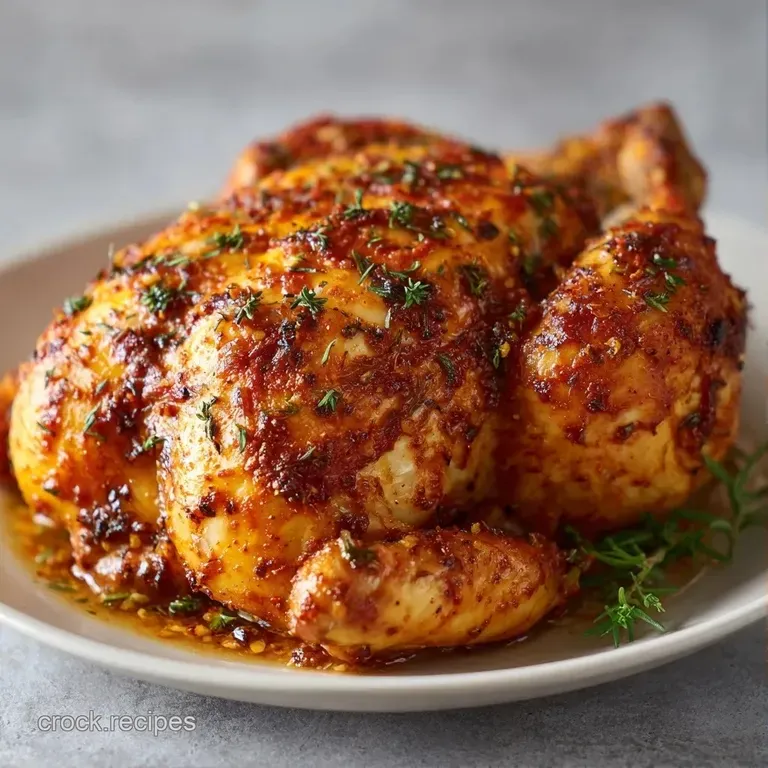
This base is great, but you can easily pivot the flavor profile depending on what you are serving. I love playing around with the herbs to match the side dishes.
If you want a more "Southern" feel, add a teaspoon of brown sugar. This will help the Chicken Seasoning caramelize even more, though you'll need to watch the heat so the sugar doesn't burn. For a more Mediterranean vibe, swap the thyme for dried rosemary and add a pinch of cinnamon.
If you're looking for something really rich, this rub works wonders when paired with a sauce. I've found that using this blend on breasts and then topping them with a Cream Cheese Chicken sauce creates a hearty, satisfying dinner.
| Original Ingredient | Substitute | Why It Works |
|---|---|---|
| Smoked Paprika | Sweet Paprika | Similar color. Note: Lacks the woody, smoky depth |
| Dried Thyme | Dried Oregano | Same herbal family. Note: Slightly more pungent |
| Cayenne | Chili Powder | Similar heat. Note: Adds a more complex, cumin like taste |
Scaling the Batch
If you are cooking for a crowd, you can easily multiply this. However, don't just 4x everything blindly. Spices like cayenne and black pepper can become aggressive when scaled up linearly.
For a double batch, use 2x of the garlic and onion powder, but only 1.5x of the cayenne and thyme. This keeps the flavor balanced without the heat becoming the only thing you taste.
If you are using this Garlic Powder Chicken Seasoning for Baking (like in a seasoned flour for frying), increase the salt by another teaspoon to account for the dilution from the flour. If you are preparing a huge bird, like when following a guide on how to roast a turkey, remember to apply the rub under the skin for maximum flavor.
Truth About Spice Rubs
There are a few things people always tell you about seasoning that just aren't true. Let's clear the air.
Some people say you have to let a rub sit overnight to get any flavor. While a long soak helps, 30 minutes is plenty for a dry rub. The salt does most of the heavy lifting quickly.
Another myth is that you should "seal" the meat by searing it first, then adding the spices. That's backwards. The spices need the heat to bloom and toast. Apply your Chicken Seasoning before the meat hits the pan for the best results.
Storage and Waste Tips
Since we are using dry ingredients, this blend lasts a long time. Store it in a cool, dark cupboard. Sunlight kills the potency of paprika and thyme faster than you'd think.
Fridge/Freezer: While you can store it in the fridge, it's not necessary. Just keep it in that airtight jar. It will stay fresh for about 6 months. If you have a massive batch, you can freeze it in a vacuum sealed bag for up to a year.
Zero Waste: Don't throw away the leftover bits of seasoning stuck to the pan after cooking. Deglaze the pan with a splash of chicken broth or white wine. The browned bits of Chicken Seasoning create a fantastic, savory pan sauce that is way too good to waste.
Best Ways to Serve
This blend is versatile, but it really shines when paired with something bright to cut through the smokiness. I usually serve the chicken with a side of steamed greens or a crisp salad.
For a more comforting meal, try serving the seasoned chicken alongside some Lemon Chicken Gnocchi. The acidity of the lemon cuts right through the hearty garlic and paprika notes.
If you're feeling fancy, serve it with Sourdough Pesto Knots. The garlic in the knots mirrors the garlic in the Chicken Seasoning, making the whole plate feel cohesive. According to USDA FoodData, focusing on high protein meats paired with fibrous greens is the best way to keep the meal balanced.
Just remember to let the meat rest for 5 minutes after cooking. This ensures the juices redistribute, and the crust stays shatter crisp rather than getting soggy. Honestly, once you've got this homemade Garlic Powder Chicken Seasoning Recipe in your rotation, you'll never look at the spice aisle the same way again.
Critical in Sodium
1380 mg 1,380 mg of sodium per serving (60% 60% of daily value)
The American Heart Association recommends a daily sodium limit of no more than 2,300 mg, with an ideal limit of 1,500 mg for most adults to reduce cardiovascular risk.
Tips to Reduce Sodium
-
Slash the Kosher Salt-30%
The kosher salt is the primary sodium driver in this blend. Try reducing the amount by half or eliminating it entirely to drastically lower the sodium content.
-
Introduce Acidity-10%
Add a squeeze of fresh lemon juice or a dash of vinegar to the final dish; acidity mimics the taste of salt and enhances overall flavor.
-
Amplify the Heat-5%
Increase the cayenne pepper and black pepper slightly to provide a sensory 'kick' that distracts the palate from the reduced salt levels.
-
Maximize Aromatics
Focus on the smoked paprika, dried thyme, and garlic powder to create a deep, savory base without relying on sodium.
Recipe FAQs
Is garlic powder a good seasoning for chicken?
Yes, it is an essential base. It distributes savory flavor evenly across the meat and does not burn as quickly as fresh minced garlic during high heat cooking.
Can a diabetic eat baked chicken?
Yes, it is a healthy protein choice. Baked chicken is naturally low-carb and fits well into a diabetic friendly diet, especially when used with this sugar-free seasoning blend.
How much garlic powder should I use for this blend?
Combine 3 tablespoons into the mixture. This specific amount provides a strong savory foundation that balances the smoked paprika and dried thyme.
What is the best way to cook skinless chicken thighs?
Sear in a hot pan then bake until the internal temperature reaches 165°F. This two-step process creates a golden crust while keeping the meat juicy.
Can I use chicken thighs instead of chicken breasts?
Yes, thighs are often preferred. They contain more fat than breasts, making them more flavorful and far more forgiving if you slightly overcook them.
Is it true that chicken breast is the best part of the chicken?
No, this is a common misconception. While breasts are leaner, thighs provide more depth of flavor and a more tender texture.
What can I do with two pounds of boneless chicken thighs?
Toss them in this seasoning and roast at 425°F. If you enjoyed mastering this flavor balancing technique, apply the same principle to our Baharat spice blend for a different regional profile.
Homemade Chicken Seasoning