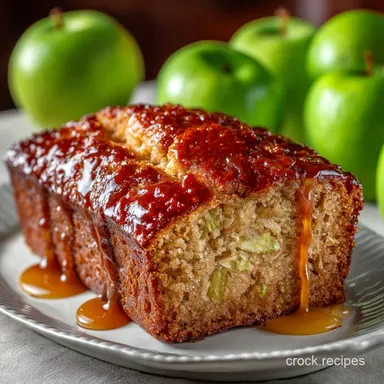
The Ultimate Sticky Toffee Apple Glazed Loaf
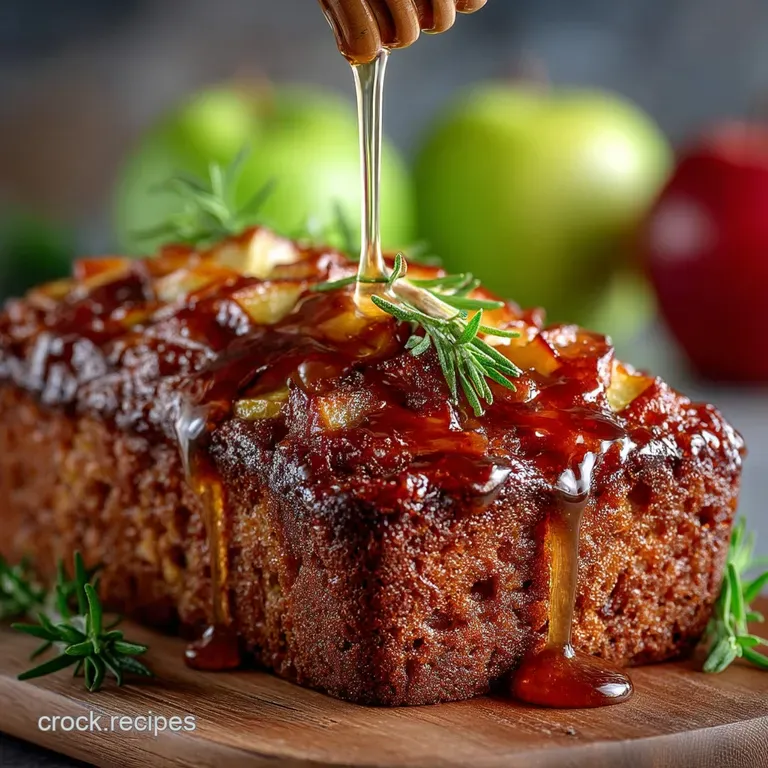
Why This Glazed Apple Bread Stands Above the Rest
While the market is flooded with quick bread recipes promising comfort, this particular Glazed Apple Bread recipe offers an unbeatable combination of deep flavor and superior texture.
We’ve meticulously engineered the ratios of fats and leaveners to avoid the common baking pitfalls of dry, dense loaves. This isn’t merely apple-flavored cake; it’s a perfectly balanced, moist, and immensely satisfying treat where the tender fruit and warm spice truly shine.
The inclusion of two types of sugar, granulated for structure and brown sugar for molasses-rich depth, creates a sticky, caramel-like complexity that holds up beautifully to the final, bright vanilla glaze.
A Culinary Equivalent of a Cozy Jumper: Our Loaf Philosophy
The philosophy behind this particular bake is straightforward: achievable decadence. This glazed apple loaf is designed to require minimal technique while delivering maximum satisfaction.
Using the easy "muffin method" for combining ingredients means that even novice bakers can achieve a professional-level result in under two hours, including the cooling and glazing time.
This loaf is meant to be the centerpiece of an autumn gathering, a perfect accompaniment to a strong cup of coffee, or a heartwarming dessert served warm. It truly encapsulates the feeling of warmth and simple comfort, living up to its description as the culinary equivalent of a cozy jumper.
The Secret to an Undeniably Moist Crumb
The defining characteristic of our recipe is its incredible moisture, which ensures the loaf stays fresh and tender for days. The secret lies in using a dual-fat system: both neutral oil and melted, cooled unsalted butter.
Oil contributes moisture that remains stable over time, preventing the bread from drying out quickly, while the butter provides that necessary, irreplaceable depth of dairy flavor. On top of that,, we mandate the use of room temperature eggs and milk.
When these cool liquids are incorporated into the slightly warm melted butter and oil mixture, they form a perfect, smooth emulsion, which is essential for achieving a fine, light, and undeniably moist crumb, avoiding the tough texture caused by lumps and seized fat.
Defining the Perfect Apple Variety for Baking Success
The choice of apple is crucial to the success of this glazed apple cinnamon bread . While overly soft varieties tend to disintegrate into mush, we need apples that retain their shape and offer a slight textural bite even after 60 minutes in the oven.
Gala or Honeycrisp are ideal candidates because they are firm yet sweet. Preparation is also key: the apples must be peeled, cored, and diced into small, even 1/4-inch chunks. This size allows the fruit to soften fully and distribute evenly throughout the batter.
For an extra safeguard against sinking, tossing the diced fruit lightly in a teaspoon of the measured cinnamon and sugar blend slightly "seasons" the apple and helps it suspend beautifully within the batter.
Prepping Your Pantry: Essential Elements for the Sticky Loaf
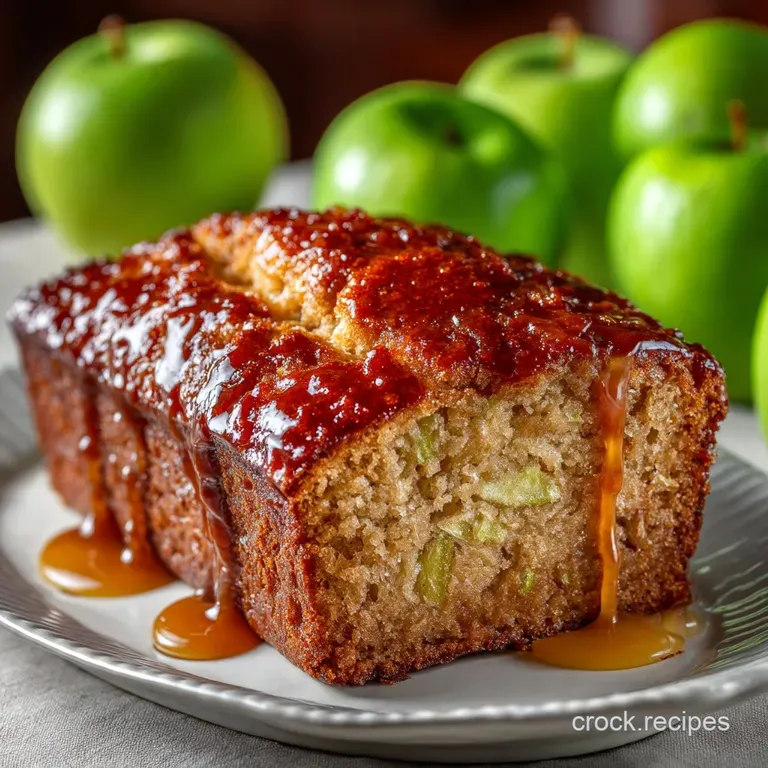
Before commencing the quick work of combining the ingredients, successful baking begins with precise measurement and preparation. This stage is about setting the stage for a perfect glazed apple bread recipe —ensuring all components are correctly weighed and temperature-adjusted for optimal chemical interaction.
Gathering the Dry Goods: Flour, Spice, and Sugar Ratios
Our dry mixture provides both the structural framework and the aromatic soul of the loaf. We utilize two cups of sifted all-purpose flour. The sugar blend includes three-quarters of a cup of granulated sugar for structure and a quarter cup of packed light brown sugar, which elevates the moisture content and provides a hint of toffee flavor, perfectly complementing the apples.
Crucially, the spice blend is generous: a full tablespoon of ground cinnamon paired with a half teaspoon of finely ground nutmeg ensures every bite carries that quintessential autumn warmth. Whisking the baking powder and salt thoroughly into this mix guarantees even lift.
Liquids and Leaveners: Achieving Lift Without Density
In addition to the oil and melted butter, our moisture insurance policy, the liquids must be combined carefully. We call for half a cup of whole milk or buttermilk, ideally at room temperature, along with two large eggs.
If using buttermilk, the mild acidity reacts beautifully with the baking powder, ensuring excellent rise and a tender result. Two teaspoons of baking powder provide the necessary lift for a loaf this size.
Mixing these wet ingredients until perfectly homogenous before combining them with the dry is vital for achieving lift without requiring excessive mixing later, which would inevitably develop tough gluten strands.
Essential Baking Tools and Pan Preparation
The preparation of your pan is as important as the batter itself. We use a standard 9 x 5 inch loaf pan. To guarantee the beautifully delicate loaf can be removed intact, it must be both greased and lined with parchment paper, allowing for significant overhang.
This parchment slingshot is critical, especially given the soft nature of the quick bread. On top of that,, ensure you have a wire cooling rack ready. Placing the finished loaf directly onto a rack after the initial 15-minute pan rest allows air to circulate fully around the crust, preventing the bottom from steaming and becoming soggy beneath the decadent glaze.
Related Recipes Worth Trying
- Foolproof HoneyMustard Glazed Baked Ham Perfect for Christmas Dinner — Our best baked ham recipe guarantees a moist spectacular centrepiece Learn exactly how to cook a ham in the oven with our trick for a sticky lacquered...
- Smoky Air Fryer Eggplant Chips Crispy Tender No Breading — Master how to make eggplant in air fryer without breading These smoky slices are crispy outside and creamy inside Easy eggplant recipes for a healthy side
- UltraMoist Hawaiian Pineapple Coconut Dream Cake Recipe — Transport yourself to the tropics with this incredibly moist Hawaiian Pineapple Coconut Dream Cake featuring luscious cream cheese frosting A surprisingly...
Step-by-step Alchemy: Transforming Simple Ingredients into Comfort
This quick bread preparation moves rapidly, which is why having all ingredients prepped and measured (the French concept of mise en place ) is so beneficial. This stage outlines the quick, gentle technique required to transition ingredients into the final batter.
The Golden Rule of Quick Bread: Gentle Combining, Not Overmixing
The key differentiator between a light, fluffy loaf and a rubbery one lies entirely in the mixing process. We utilize the "muffin method." Once the wet ingredients are poured into the dry, the golden rule is to use a rubber spatula and fold gently. The aim is not to beat or whisk, but merely to incorporate.
Stop mixing the second you see only a few streaks of flour remaining. Lumps in the batter are acceptable and even desirable. It is at this moment that you gently fold in the diced apples.
Overmixing activates gluten, which we want to avoid for a loaf that aims for the tender texture often associated with exceptional glazed apple fritter bread .
Bake Time Benchmarks and the Skewer Test
Our glazed apple loaf is baked in a preheated oven at 350°F / 175°C for 55 to 60 minutes. Because oven temperatures vary significantly, you cannot rely solely on the clock.
The reliable benchmark is the skewer test: a toothpick or skewer inserted deep into the center should come out clean, or with a few moist, sticky crumbs clinging to it, but never wet batter.
Should the loaf begin to brown excessively on top, a common occurrence around the 35-minute mark, you must protect it by loosely tenting the pan with a piece of aluminum foil until the internal bake is complete.
Crafting the Signature Vanilla Bean Glaze
The final touch is the simple, yet impactful, vanilla bean glaze. This glaze is essential, turning the plain spiced loaf into a true Glazed Apple Bread . The glaze should be prepared by whisking sifted powdered sugar with vanilla extract and cold milk or cream.
Sifting the sugar is non-negotiable for a perfectly smooth, lump-free sheen. Start with just two tablespoons of liquid and slowly add drops until the mixture reaches a thick, pourable consistency, it should ribbon slowly off the whisk, rather than running off like water.
This ensures it sets beautifully, creating a satisfying crackle on the cooled loaf.
Mastering the Glazed Apple Bread: Storage and Smart Variations
After the hard part (waiting for the loaf to cool!) is over, it’s important to understand how to preserve its freshness and how to adapt the base glazed apple bread recipe for different flavors and textures.
Optimal Storage Techniques for Maximum Freshness
Once the vanilla glaze has fully set (about 15- 20 minutes at room temperature), the loaf should be stored in an airtight container. Because of the high moisture content provided by the oil and brown sugar, it will remain deliciously fresh at room temperature for three to four days.
To preserve the crispness of the crust and the stability of the glaze, avoid refrigerating it, as the cool air can dry out quick breads quickly. If you plan to freeze it, always do so before glazing.
Wrap the fully cooled, unglazed loaf tightly in plastic wrap and foil; it can be thawed and then glazed just before serving.
Flavor Swaps: Introducing Citrus and Nutty Textures
This flexible recipe provides a wonderful canvas for creative variation. For bakers seeking a complex, nutty finish, incorporating finely chopped pecans or walnuts into the batter, and then adding them to the glaze, transforms the bake into a decadent praline glazed apple bread .
If you desire a deeper, richer flavor profile reminiscent of a sticky toffee pudding, simply increase the brown sugar ratio to achieve a true brown sugar glazed apple bread .
On top of that,, for a boost in fiber and a denser, earthier texture, replace 1/4 cup of the all-purpose flour with finely ground rolled oats, resulting in a comforting glazed apple cinnamon oatmeal bread .
A final simple swap involves adding the zest of one lemon or orange to the batter for a bright, unexpected citrus note that cuts through the richness.
Analyzing the Comfort: Nutrition Overview and Serving Suggestions
As with most delightful bakes, this loaf is an indulgence, providing substantial calories and carbohydrates per slice, derived primarily from the sugars and fats necessary to achieve that irresistible moist crumb and sticky glaze.
It’s a treat best reserved for special occasions or to provide a genuine moment of comfort. For an elegant afternoon tea experience, serve thin slices with a dollop of clotted cream or thick Greek yogurt to balance the sweetness.
For a truly decadent dessert experience, serve the loaf warm, perhaps gently reheated in the oven, and topped with a scoop of quality vanilla bean ice cream, allowing the glaze to melt into the warm spiced bread.
Recipe FAQs
I’ve followed the recipe, but my Glazed Apple Bread is dry. What went wrong?
The usual culprit in quick breads is overmixing, folding the wet and dry ingredients too vigorously develops the gluten, resulting in a tough texture closer to a house brick than a fluffy loaf!
Secondly, ensure your eggs and milk are at room temperature, as cold ingredients can inhibit the emulsion, leading to a dry crumb. Stick to gentle folding with a rubber spatula, stopping when you see just a few flour streaks.
What is the best way to store this loaf, and can I freeze it?
This Glazed Apple Bread is at its best within three days. Store it at cool room temperature in an airtight container to keep it lovely and moist. If you want to freeze it, absolutely! Wrap the unglazed loaf tightly in cling film, then foil, and freeze for up to three months.
Thaw overnight and apply the fresh vanilla glaze just before serving.
I don’t have Gala apples on hand. Are there any other baking apples that work well?
You’ll want an apple that holds its shape nicely during baking. In the UK, a Braeburn or Cox are excellent choices, offering a slight tartness that balances the sweetness of the loaf. If you prefer a very firm, sweet result, Honeycrisp or Fuji are your friends.
Just be sure whatever you choose is peeled and diced into small, uniform pieces so they cook through perfectly.
I want to jazz up this recipe a bit. What are some good additions or flavour variations?
For an extra indulgent twist, try adding 1/2 cup of toasted chopped walnuts or pecans to the batter for crunch. To emulate a classic British sticky toffee pudding, replace the white sugar with half dark brown sugar and include a small handful of chopped dates.
You could also swap 1 Tbsp of milk in the glaze for a splash of Bourbon or spiced rum for a ‘grown-up’ flavour profile.
Help! My glaze is either too runny or too thick. How do I get that perfect drizzle consistency?
Achieving the perfect consistency is key to a beautiful finish. If your glaze is too thick (like concrete), add a few drops of milk or water until it streams slowly off your whisk. If it’s too runny (like weak tea), slowly whisk in more sifted icing sugar until it coats the back of a spoon.
It’s always best to add the liquid very slowly, as a few drops can make a huge difference.
Can I swap out the flour or make this Glazed Apple Bread a little more nutritious?
You can certainly make some swaps. For added fibre, try replacing up to half of the all-purpose flour with whole wheat pastry flour, it yields a slightly denser but heartier result.
If you need to cut back on refined sugar, experiment with replacing the granulated sugar with coconut sugar or a blend of maple syrup and light brown sugar, though you may need to slightly reduce the liquid content to compensate.
Supremely Moist Glazed Apple Bread The Sticky Toffee Loaf Recipe