The Crispiest Duchess Proper Panfried Pork Chops with Seasoned Crust
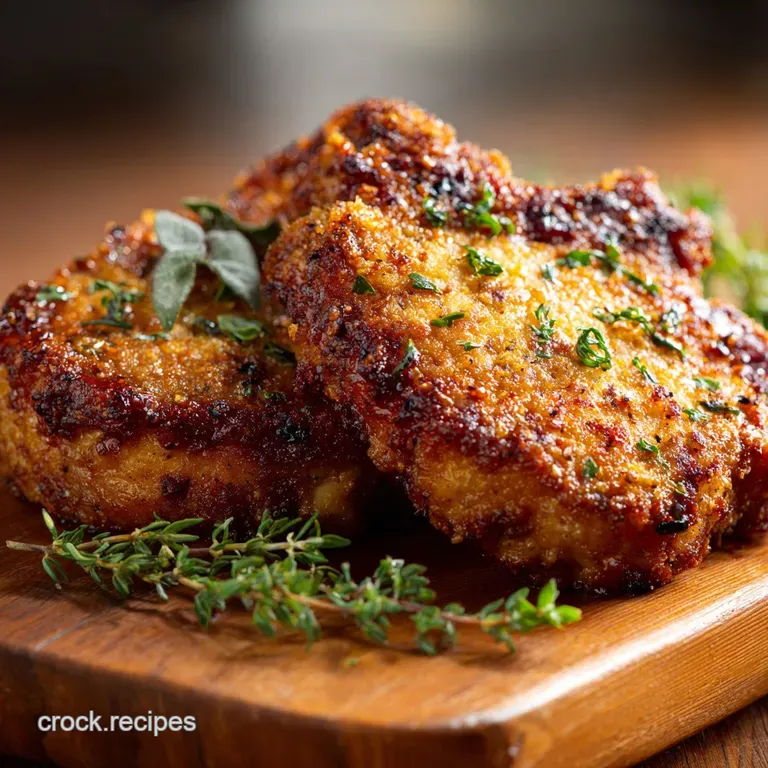
- Moving Beyond Dry Meat: The Secret to Truly Tender Fried Pork Chops
- Essential Supplies for Perfect Pan-Fried Pork Chops
- Ingredient Deep Dive: Quality, Cost, and Pantry Swaps
- Step-by-Step Guide to the Flawlessly Crisp Fried Chops
- Finishing the Perfect Duchess
- Solving Common Problems and Advanced Frying Tips
- Storing, Reheating, and Pairing Your Crispy Dinner
- Recipe FAQs
- 📝 Recipe Card
Moving Beyond Dry Meat: The Secret to Truly Tender Fried Pork Chops
For too long, the legacy of fried pork has been one of disappointment, resulting in tough, desiccated meat covered in a beautiful but misleading crust. Learning to make truly Homemade Fried Pork Chops involves prioritizing tenderness from the very beginning.
We aim for juicy, Moist Fried Pork Chops that hold their moisture despite the high heat of the pan. This requires thoughtful preparation steps before the breading even touches the meat.
Why Brining or Pounding the Chops Matters
Pounding pork chops gently with a mallet helps to tenderize the muscle fibers, resulting in a more uniform thickness. This uniform thickness is essential because it guarantees the meat cooks evenly and quickly, preventing the edges from drying out while the center finishes.
If you prefer not to pound, a short brine works wonders to keep the meat hydrated. Soaking the chops for 30 minutes in a mild salt solution before drying them thoroughly helps the pork retain moisture during frying.
Mastering the Triple Dredge Method for Ultimate Crunch
Achieving the characteristic rugged, crisp exterior of classic southern Fried Pork Chops relies on a three stage breading process. This technique ensures maximum adhesion and texture by building a durable shell around the moist meat.
The triple dredge involves dry flour, wet egg wash, and a final coating of seasoned flour, locking in the pork’s natural juices. This structured approach is what separates good Crispy Fried Pork Chops from truly great ones.
How We Achieve the Crispiest Duchess Crust
Our secret to creating a shatteringly crisp crust, which we affectionately call the "Duchess Crust," lies in a specific addition to the dry mix. We incorporate two tablespoons of cornstarch into the seasoned flour base.
Cornstarch inhibits gluten development in the flour and fries up significantly crispier than standard flour alone. Coupled with the crucial resting period, this ingredient ensures the resulting coating is incredibly light, airy, and stable throughout the cooking process.
Essential Supplies for Perfect pan-fried Pork Chops
While this is an Easy Pork Chops recipe at its heart, having the right tools makes temperature management simple and prevents messy mistakes. A heavy bottomed pan is non-negotiable for holding consistent heat.
The key to successfully deep frying or pan-frying is maintaining control over the oil temperature from start to finish.
| Essential Tool | Why It Matters |
|---|---|
| Cast Iron Skillet | Provides superior heat retention and distribution. |
| Thermometer | Deep fry or instant read is necessary for safety and optimal crunch. |
| Wire Cooling Rack | Allows airflow beneath the cooked chops, maintaining crispiness. |
Ingredient Deep Dive: Quality, Cost, and Pantry Swaps
Starting with high-quality ingredients is the foundation for outstanding flavor in any dish. The ingredients used for your fried pork chops recipe directly impact both the final texture and the rich taste profile.
Investing slightly more in certain components, like bone-in chops, pays dividends in juiciness and flavor complexity.
Selecting the Ideal Cut and Thickness of Pork Chops
We highly recommend using bone-in, center cut pork chops for the juiciest results. The bone acts as an insulator, slowing heat transfer and preventing the meat near it from drying out prematurely.
Look for chops that are roughly half to three quarters of an inch thick, as thinner cuts cook too quickly to develop a proper crust. Avoiding excessively thick cuts ensures the coating does not burn before the interior reaches a safe temperature.
Crafting the Signature Seasoned Breading Mix
The flavor of your Fried Pork Chops lives entirely within the coating, making a superior breading mix critical. Our recipe uses two cups of all-purpose flour blended with cornstarch for texture and generous amounts of salt, pepper, and aromatics.
The inclusion of smoked paprika adds a lovely subtle depth and gives the crust a beautiful, rich reddish brown hue when fried. This ensures every bite of the crust is highly seasoned and flavorful.
Recommended Equipment: From Cast Iron to Tongs
The Cast Iron Skillet remains the gold standard for Homemade Fried Pork Chops because its weight stabilizes the oil temperature against the introduction of cold meat. You must pair this with an accurate deep fry thermometer clipped to the side, which monitors the oil constantly.
Finally, sturdy, long tongs are essential for safely handling the hot meat and flipping the delicate chops without damaging the crust.
Choosing the Best High Smoke Point Oil for Frying
We must select an oil that can withstand high frying temperatures without breaking down or smoking excessively. Neutral oils like canola, vegetable, or peanut oil are ideal choices, as they impart minimal flavor to the finished Crispy Fried Pork Chops .
Using an oil with a low smoke point risks scorched flavor and can produce toxic compounds when overheated. We require four cups of oil to reach the necessary one-inch depth for effective pan-frying.
The Role of Buttermilk or Egg in Adhesion
The wet station in our triple dredge serves as the crucial binder, ensuring the dry flour sticks firmly to the pork. We prefer combining large eggs with buttermilk or whole milk, plus a dash of hot sauce for subtle background flavor.
Buttermilk’s mild acidity and thickness adhere extremely well to the initial flour layer, while the enzymes also contribute slightly to the pork's tenderness. This wet component is key to achieving a stable coating that won't flake off.
Elevating the Crust: Spices That Make the Difference
While salt and pepper are standard, great fried pork chops seasoning elevates the dish to a comfort food masterpiece. We rely heavily on garlic powder and onion powder to inject savory complexity directly into the crust itself.
A touch of cayenne pepper is included to provide a gentle, warming heat that balances the richness of the fried meat without being overtly spicy. These spices are far more effective when incorporated into the flour than rubbed solely on the meat.
Related Recipes Worth Trying
- Effortless North Carolina Pulled Pork The Best Crockpot Recipes — Get meltinthemouth BBQ results the easy way This tangy North Carolina Pulled Pork is one of our favourite Crockpot Recipes Perfect for a cracking good feed
- Sunday Best Crock Pot Pork Roast and Veggies ForkTender — Forget weeknight stress This Crock Pot Pork Roast and Veggies recipe uses a quick searing trick for rich flavour Come home to meltingly tender pork potatoes...
- The Ultimate Smoky BBQ Pulled Pork Mac Cheese Bake A proper feast — This ultimate Pulled Pork Mac Cheese casserole features rich smoky BBQ pork folded into the creamiest béchamel sauce Follow our easy pro tips for a perfect...
step-by-step Guide to the Flawlessly Crisp Fried Chops
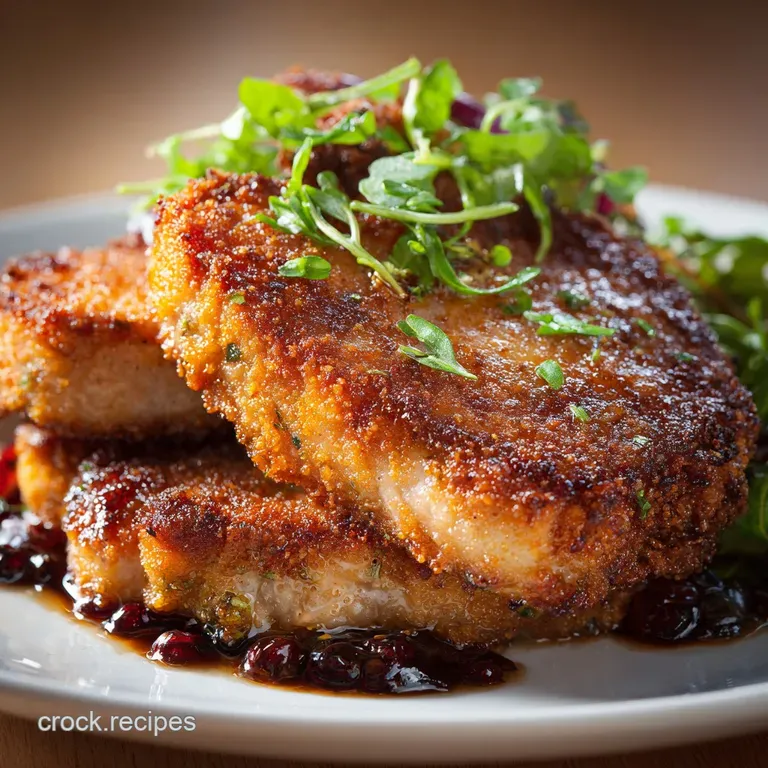
This method outlines the transformation of simple pork into sublime comfort food. We start by prepping the stations, ensuring everything is ready before the actual breading process begins. Next, we execute the three stage coating, followed by the essential rest time to set the crust.
The guide concludes with the precise instructions for achieving perfectly golden brown results in the hot oil.
Finishing the Perfect Duchess
Executing the frying stage precisely is what guarantees juicy interiors and flawless crusts for your Fried Pork Chops . Temperature control, patient frying, and proper post fry handling all contribute to the final outcome.
Never rush this stage; great frying requires full focus and constant monitoring.
Preparing the Breading Stations and Wet Ingredients
Before handling the meat, all three wide, shallow dishes must be prepared and lined up in order flour, wet wash, then final flour. Ensure the initial dry mix (Station 1) and the final dry mix (Station 3) are made from the same fried pork chops with flour blend.
Whisk the seasoned flour mixtures thoroughly so the spices and cornstarch are evenly distributed, preventing pockets of plain flour. The wet mixture should be fully homogenous, whisking the eggs, milk, and hot sauce until no distinct streaks remain.
The Critical 15-Minute Rest: Setting the Crust
After the triple dredge is complete, place the breaded chops on a wire rack and allow them to rest, uncovered, for a minimum of 30 minutes. This period is not optional; it is the most critical step in preventing the coating from falling off in the hot oil.
During this time, the moisture from the egg wash hydrates the starch and gluten in the flour, forming a durable adhesive layer that bonds the crust to the pork.
Crucial Tip: The resting period must be at least 30 minutes. If you skip this step, the crust remains powder dry and will instantly separate upon hitting the heat, ruining your Crispy Fried Pork Chops .
Achieving the Ideal Temperature for Golden Frying
The optimal frying temperature for this Easy Pork Chops recipe is precisely 350°F (175°C). Use your thermometer to track the oil closely, as temperature fluctuations affect the outcome significantly.
If the oil is too cold (below 325°F), the crust absorbs excessive oil and becomes heavy and greasy. If the oil is too hot (above 375°F), the flour burns before the meat cooks through, resulting in a dark, bitter crust and raw interior.
Testing for Doneness and Safe Internal Temperatures
Cook the chops in batches, careful not to overcrowd the pan, which would drop the oil temperature dramatically. Fry the chops for 3 to 4 minutes per side until they reach a deep golden brown color.
Always use an instant read meat thermometer to confirm the pork has reached an internal temperature of 145°F (63°C) at its thickest point. This USDA recommended temperature guarantees that the meat is perfectly cooked, wonderfully juicy, and safe to eat.
Post Fry Handling: Draining and Seasoning Immediately
Once the chops are removed from the oil, immediately transfer them to a clean wire cooling rack placed over a baking sheet. Avoid draining fried items directly on paper towels, as the towels trap steam, which quickly steams and softens the hard earned crust.
While the chops are still piping hot from the oil, sprinkle them with a final generous pinch of fine sea salt for maximum impact. This final seasoning elevates the flavor profile dramatically.
Solving Common Problems and Advanced Frying Tips
Even experienced cooks encounter minor issues when deep frying, often related to temperature or technique. Knowing how to troubleshoot and implementing proactive steps ensures your Fried Pork Chops turn out perfectly every time.
These advanced strategies ensure longevity for your oil and variety for your table.
Troubleshooting the Crumb: Why Coatings Fail
The primary reason a delicious crust fails is inadequate preparation before frying or insufficient resting time. Ensure the pork chops were patted completely dry before the first dredge; excess surface moisture weakens the flour bond.
If the oil temperature drops too low during frying, the coating may absorb oil and slip off the meat. Always allow the oil to fully recover its heat between batches before adding new meat.
Quick Crust Swaps: gluten-free and Spicy Options
If you need a quick variation or dietary accommodation, the flour mixture can be easily swapped for different coatings. For a lighter texture, replacing half the final seasoned flour with Panko breadcrumbs delivers an exceptional, jagged crunch.
For dietary needs, using a dedicated gluten-free blend in the dredge allows everyone to enjoy these magnificent Homemade Fried Pork Chops .
| Substitution Focus | Recommended Ingredient Swap | Impact on Texture |
|---|---|---|
| gluten-free | Rice flour or commercial GF blend | Slightly finer, very light crust. |
| Extra Crispy | Substitute final flour with Panko crumbs | Extremely light, jagged, and crunchy. |
Maintaining Oil Cleanliness and Safe Frying Practices
To reuse your frying oil safely, you must filter it immediately after the oil has cooled sufficiently. Carefully strain the cooled oil through cheesecloth or a fine mesh sieve to remove any residual particles of flour or spices.
Filtering helps prevent these tiny particles from burning the next time you heat the oil, which prolongs its lifespan and maintains a clean flavor profile. Never pour hot oil down the drain; always allow it to cool completely before disposal or storage.
Storing, Reheating, and Pairing Your Crispy Dinner
Part of the joy of making Fried Pork Chop Recipes is enjoying the leftovers or serving them with thoughtful accompaniments. Proper storage is essential to preserving that incredible crispness for later enjoyment.
How to Properly Store Leftover Fried Pork Chops
The key challenge in storing leftover Crispy Fried Pork Chops is managing moisture, which quickly ruins the crust. Store the cooled chops in an airtight container lined with a paper towel, ensuring there is a slight gap between the lid and the container for breathability.
To reheat, the oven or air fryer is vastly superior to the microwave, which will turn the crust soggy. Reheat at 350°F (175°C) for 10– 15 minutes until the exterior is crunchy again.
Recommended Side Dishes and Sauce Pairings
These rich, flavorful chops pair wonderfully with classic comfort sides that offer textural or acidic contrast. A soft, creamy element next to the intense crunch works perfectly on the plate.
- Classic Comfort: Creamy Mashed Potatoes or rich Macaroni and Cheese soak up the savory flavors beautifully.
- Green Contrast: Tangy, vinegary Braised Collard Greens or a bright Cucumber and Tomato Salad provide necessary acidity.
- Sauce: Serve with a rich, peppery Country Gravy made directly from the seasoned pan drippings.
Calorie Breakdown and Healthier Preparation Notes
While these Fried Pork Chops are inherently rich, careful technique helps minimize unnecessary fat absorption. Maintaining the oil at 350°F is crucial, as too-cold oil leads to greasy results, significantly increasing the calorie count.
For a slightly lighter preparation, you can achieve a similar crunch by using the same triple dredge method and baking the chops on a wire rack in a very hot oven (425°F/220°C) until golden brown. This significantly reduces the total fat content while retaining excellent flavor.

Recipe FAQs
Why does my lovely crust keep sliding off my pork chops?
It's likely you skipped the essential resting time! After dredging, the breading needs 30 minutes to hydrate and create a sticky 'glue' think of it as letting the batter set, or it will simply swim away in the oil.
How do I guarantee my Fried Pork Chops don't end up tougher than an old boot?
The secret lies in the thermometer; pull the chops immediately when they hit 145°F (63°C), as they will continue to cook slightly as they rest. Thinner chops cook alarmingly fast, so watch the clock and the heat like a hawk.
My chops taste a bit oily what went wrong with the frying process?
Your oil temperature was probably too low, forcing the crust to absorb the fat instead of forming a quick seal. Always use a thermometer to maintain the frying temperature between 325°F and 350°F (160°C 175°C), and avoid overcrowding the pan.
I've got a plate full of leftovers. How can I keep the crust crisp overnight?
Skip the microwave! The best way to reheat and maintain that crunch is in a hot oven (around 375°F/190°C) or an air fryer for 5 7 minutes until heated through. Store them uncovered in the fridge on a rack if possible to prevent condensation.
I fancy a twist on the seasoning any quick swaps for the flour dredge?
Absolutely! For a smoky kick, swap the cayenne for chipotle powder, or for a lighter, herby European vibe, stir in 1 Tbsp of dried parsley, thyme, and a dash of lemon zest into the final flour mixture.
Crispiest Homemade Fried Pork Chops
Ingredients:
Instructions:
Nutrition Facts:
| Calories | 6636 kcal |
|---|---|
| Protein | 42.8 g |
| Fat | 78.4 g |
| Carbs | 193.6 g |
| Fiber | 9.9 g |
| Sugar | 114.9 g |
| Sodium | 908 mg |
