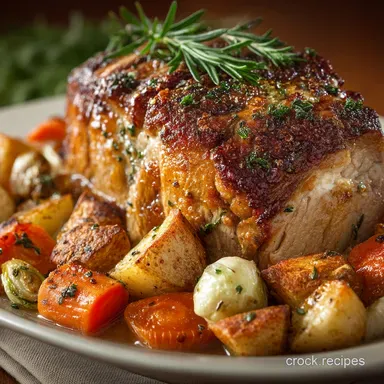
Setitandforgetit Crock Pot Pork Roast and Veggies Sunday Best
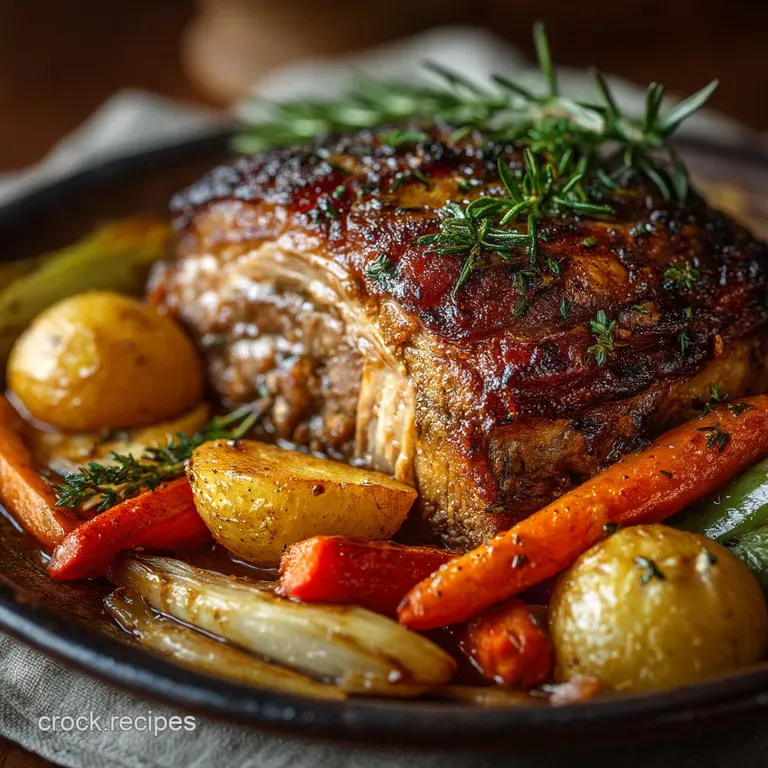
Sunday Roasts on a Tuesday: The Magic of the Slow Cooker
The slow cooker is arguably the greatest invention for reclaiming weeknight time without sacrificing quality. There’s a certain magic in setting a hearty meal to simmer in the morning and returning home to the robust, comforting aroma of a fully prepared roast dinner.
This recipe for Crockpot Pork Roast takes the classic Sunday best and makes it a feasible reality any day of the week, yielding meat so tender it’s practically indecent.
Unlike many basic stew recipes, our approach ensures you end up with perfectly structured root vegetables and a deeply flavoured gravy, proving that hands-off cooking doesn’t mean flavour compromise.
Why Searing the Pork is Non-Negotiable
If you are only going to dedicate 15 minutes of active time to this dish, spend 10 of those minutes on searing. This step is the single most important technique we borrow from professional kitchens.
By quickly applying high heat to the exterior of the 4 lb (1.8 kg) pork shoulder, we initiate the Maillard reaction, the chemical process that creates hundreds of complex flavour compounds.
Searing creates a deep, golden-brown crust and locks in nutty, savoury notes that mere steaming in the slow cooker simply cannot replicate. Skip this step, and you’ll lose a layer of flavour complexity that is fundamental to a truly great Crock Pot Pork Roast and Veggies .
Achieving the Signature "Melt-Away" Texture
The key to a truly tender result is using the right cut and the right heat setting. We rely on the marbled, sturdy structure of the pork shoulder (Boston Butt). This cut contains ample connective tissue (collagen), which, when subjected to the prolonged, low heat of the slow cooker, 7 to 8 hours on LOW, slowly dissolves into rich gelatin.
This is what gives the meat its incredible succulence and allows it to achieve that coveted "melt-away" texture, making it perfectly suitable for easy shredding once it reaches an internal temperature of 195°F (90°C).
What to Expect from This Crock Pot Pork Roast and Veggies Recipe
You are preparing an ultimate low-effort, high-reward comfort meal. This specific method produces fork-tender meat, surrounded by robust Crockpot Pork Roast Potatoes And Carrots , which retain their shape beautifully.
The gentle process prevents the rich liquid base from evaporating, concentrating the seasoned juices into a stock perfect for thickening into a deeply savoury pan gravy. This recipe provides 6 to 8 generous servings, making it ideal for feeding a crowd or ensuring you have delicious leftovers.
The Essentials: Assembling Your Ingredients for a Flavourful Feast
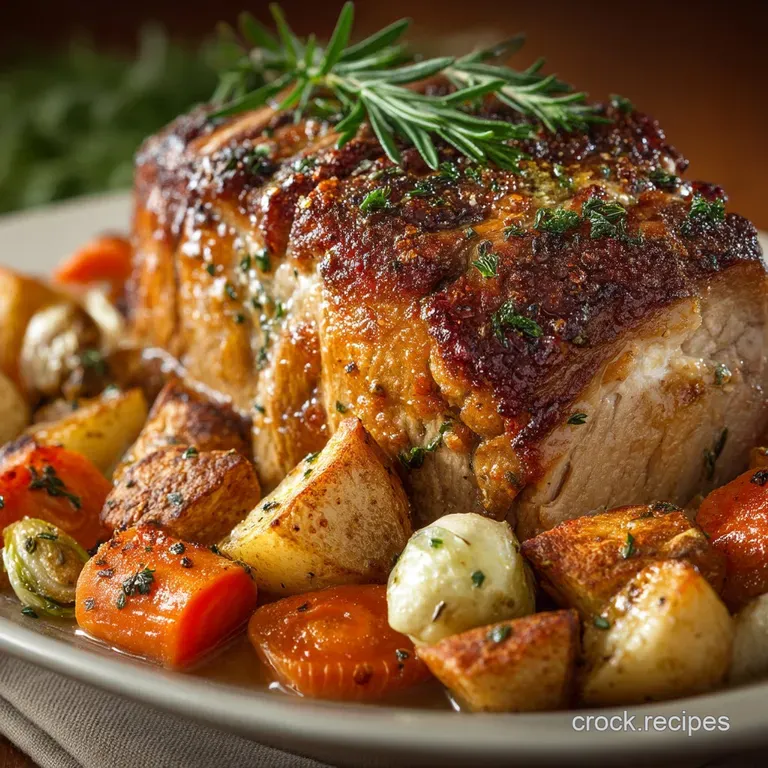
Success in slow cooking starts with ingredient selection. Since the food will be cooking for hours, choosing components that can withstand the heat without breaking down is paramount.
Selecting the Ideal Cut of Pork Shoulder (The Best for Slow Cooking)
For this recipe, we specify a 4 lb Boneless Pork Shoulder Picnic Roast Crock Pot . While many Pork Loin Crock Pot Recipes With Potatoes And Carrots exist, the loin is too lean for this long, slow cooking process and often dries out.
The pork shoulder, conversely, has the necessary fat content and connective tissue to stay moist and become incredibly succulent during the lengthy cooking time. Be sure to trim away any excess hard exterior fat before preparing the rub.
Which Root Vegetables Stand Up to Long Cooking Times?
The most critical factor when including vegetables in your slow cooker is sizing. Because they sit in the liquid base for hours, smaller cuts will turn to mush. We use 1.5 lbs of hardy potatoes (Yukon Golds or small baby potatoes, quartered) and 1 lb of carrots, cut into substantial 2-inch chunks, alongside a large yellow onion cut into thick wedges.
These substantial pieces provide the necessary textural contrast to the soft, shredded pork. While you can certainly make variations like Crock Pot Pork Roast and Sweet Potatoes , if using a softer root vegetable, it is best practice to add them halfway through the cooking cycle to prevent them from disintegrating.
The Secret Herb and Spice Rub for Deep Savoury Notes
The key to preventing a bland slow cooker meal lies in the seasoning applied directly to the meat surface. Our simple but potent rub consists of Kosher salt, black pepper, 1 teaspoon each of dried thyme and lightly crushed dried rosemary, and, critically, 1 teaspoon of smoked paprika.
The smoked paprika provides an earthy depth that complements the pork and blends beautifully into the final gravy. The liquid base is minimal, just 2 cups of low-sodium chicken or beef stock, enhanced by 1 tablespoon of balsamic vinegar for a professional depth of flavour, alongside 4 cloves of smashed garlic and 2 bay leaves.
Necessary Equipment: Your Crock Pot and Beyond
To execute this recipe perfectly, you will need a 6-Quart (5.7 Litre) slow cooker or Crockpot Pork Roast . Plus,, to perform the crucial searing step, a large, heavy-bottomed skillet or Dutch oven is required.
Don't forget a sharp chef's knife for prepping the vegetables and a meat thermometer to ensure the pork has reached the minimum 195°F (90°C) needed for optimal shredding.
Related Recipes Worth Trying
- Chefs Easy Crockpot Beef Stew SlowCooked ForkTender — Master the ultimate classic comfort food This easy Crockpot Beef Stew recipe transforms cheap cuts into meltingly tender beef and rich gravy Perfect for...
- Fluffy Strawberries and Cream Sweet Rolls Recipe Cream Cheese Swirl — Forget cinnamon These tender Strawberries and Cream Sweet Rolls feature a tangy cream cheese swirl and jammy strawberry filling Perfect for brunchpure...
- The Best Sticky HoneyGarlic Crockpot Chicken Recipe Minimal Fuss — The foolproof Crockpot Chicken Recipe you need Get fallapart tender chicken thighs in a luscious sticky honeygarlic glaze Its the ultimate easy slow cooker...
Mastering the Method: step-by-step Cooking Guidance
Following these steps ensures maximum flavour extraction and perfect texture for both the meat and the accompanying vegetables.
Step One: How to Properly Sear the Pork for Maximum Flavour Depth
Begin by mixing the dry rub ingredients. Pat the trimmed pork shoulder completely dry, this is non-negotiable for achieving a crust, and massage the rub generously over the entire surface. Heat 2 tablespoons of olive oil in your heavy skillet over high heat until it shimmers.
Carefully place the seasoned pork into the hot pan and sear undisturbed for 3 to 4 minutes per side until a deep, golden crust forms. Once the pork is removed, immediately pour the 2 cups of stock and the balsamic vinegar into the hot skillet.
Use a wooden spoon to vigorously scrape up all the flavourful brown bits stuck to the bottom of the pan, this process, known as deglazing, ensures none of that precious searing flavour is wasted.
Layering the Vegetables and Liquid for Even Cooking
In the bottom of your slow cooker insert, create a sturdy layer by placing the large chunks of potatoes ( Crock Pot Pork Roast and Potatoes ), carrots, and onion wedges, along with the bay leaves and smashed garlic. Pour the deglazing liquid directly over the vegetables.
Now, here is a chef’s trick for tender, non-mushy vegetables: place the seared pork shoulder directly on top of this layer. This positioning allows the vegetables to sit fully submerged in the cooking liquid while the pork, which is elevated, retains its crust and prevents the entire dish from turning into a uniform stew.
Setting the Time and Temperature for Ultimate Tenderness
Once loaded, cover the slow cooker tightly. The best results for this quantity of meat and vegetables are achieved by cooking on the LOW setting for 7 to 8 hours.
If you are extremely short on time, you can use the HIGH setting for 3.5 to 4 hours, but be aware that the LOW setting allows the collagen to break down more gently, resulting in a more consistently tender product.
The dish is perfectly cooked when the vegetables are tender and the meat easily shreds when prodded with a fork.
The Final 15 Minutes: Achieving Perfect Gravy Consistency
When the pork is ready, carefully lift it out and place it on a cutting board, tenting it loosely with foil for 10 to 15 minutes to rest, this allows the meat to redistribute its juices. While the pork rests, remove the bay leaves from the slow cooker liquid.
If you desire a thicker gravy, pour the cooking liquid into a small saucepan. Bring the liquid to a simmer. In a small cup, whisk 1 tablespoon of cornflour (cornstarch) with 2 tablespoons of cold water until smooth, creating a slurry.
Whisk the slurry into the simmering pan juices and cook for about two minutes until the gravy has thickened to your preference. Shred the rested pork and serve it with the perfectly cooked root vegetables, drizzled generously with the rich, thickened sauce from your delightful Crock Pot Pork Loin and Veggies .
Troubleshooting and Customising Your Crock Pot Pork Roast and Veggies
While the slow cooker is forgiving, a few expert tips can ensure your results are consistently exceptional and help you manage leftovers effectively.
Smart Storage Solutions: Making the Most of Leftovers
This recipe yields a substantial amount of food. Leftovers can be stored in airtight containers in the refrigerator for up to four days. For best results when reheating, store the shredded pork and the gravy/vegetables separately. If freezing, the cooked meat freezes beautifully for up to three months.
To reheat, thaw the meat overnight and warm gently in the microwave or in a saucepan with a splash of extra stock or the reserved gravy to prevent drying out.
Simple Swaps: Alternative Vegetable and Herb Combinations
The beauty of a robust Crock Pot Pork Roast and Potatoes base is its adaptability. For a Mediterranean twist, swap the dried rosemary and thyme for dried oregano and use fresh lemon juice instead of balsamic vinegar.
For a sweeter flavour profile, try transforming the dish by replacing the traditional herbs and smoked paprika with 2 tablespoons of brown sugar, chili powder, and mustard powder for a fantastic, ready-to-shred barbecue-style pork.
Should you wish to include softer vegetables, such as parsnips or the aforementioned Crock Pot Pork Roast and Sweet Potatoes , introduce them into the slow cooker during the final three hours of the cooking cycle.
Common Mistakes to Avoid When Slow Cooking Pork
The biggest culinary mistake is skipping the searing step, we cannot stress this enough, as it forfeits a massive amount of flavour depth. The second error is adding too much liquid; the pork shoulder releases significant moisture as it cooks, so the initial 2 cups of stock is plenty.
Finally, cutting the root vegetables too small guarantees they will overcook and dissolve into the sauce, robbing your dinner of essential texture. Keep those carrot and potato chunks substantial.
Nutrition Breakdown of a Hearty Pork Roast Serving
Using a conservative estimate based on 8 servings and low-sodium stock, a serving of this hearty meal provides excellent nutritional value. Each portion clocks in at approximately 430 kcal, delivering a substantial 45 grams of protein from the pork.
The inclusion of the root vegetables means each serving also provides around 22 grams of complex carbohydrates and 5 grams of dietary fibre, making this Crockpot Pork Roast a perfectly balanced, satisfying, and nourishing meal.
Recipe FAQs
Is searing the pork truly necessary, or can I just throw it all in the Crock Pot?
Absolutely, it's non-negotiable! Skipping the sear is like taking the lift when you could take the stairs, less effort, but you miss all the flavour gains. Searing creates the Maillard reaction, developing a deep, nutty crust that adds complexity to the final sauce, making the whole kit and caboodle taste properly seasoned.
How do I stop my root vegetables from turning to absolute mush after 8 hours in the slow cooker?
This is a classic slow cooker conundrum! The secret is twofold: firstly, cut the vegetables into large, chunky, uniform pieces (about 2 inches), and secondly, make sure they are placed in the bottom of the slow cooker insert, under the pork roast.
This shields them slightly from the most intense heat and prevents them from disintegrating into the liquid, ensuring they are tender but still retain their shape, just how a proper Sunday roast veg should be.
For the best results, what specific cut of pork should I use for this Crock Pot Pork Roast and Veggies recipe?
You want a cut with a decent amount of marbling and fat, ideally a Boneless Pork Shoulder (also known across the pond as a Boston Butt). This cut contains collagen which melts during the long, slow cooking time, turning the meat exceptionally tender and moist, perfect for shredding.
Leaner cuts like tenderloin would dry out faster than a forgotten digestive biscuit.
My pan juices look a bit thin and watery; how can I thicken the gravy without resorting to magic?
Fear not, a thin gravy is easily solved! The trick is the cornflour (cornstarch) slurry; simply remove the pork and veggies, pour the cooking liquid into a saucepan, and bring it to a simmer. Whisk in a mixture of 1 tablespoon of cornflour mixed with 2 tablespoons of cold water.
This thickening agent will transform your pan juices into a rich, velvety gravy in about two minutes flat.
I’ve got tons of leftovers, what’s the best way to store and reheat this glorious slow-cooked meal?
Brilliant news: this dish is even better the next day! Store cooled leftovers in an airtight container in the fridge for 3 to 4 days. When reheating, a little splash of extra stock or the reserved pan juices will help stop the pork from drying out, or you can shred the pork and use it cold for easy weeknight sandwiches or tacos.
Sunday Best Crock Pot Pork Roast and Veggies ForkTender